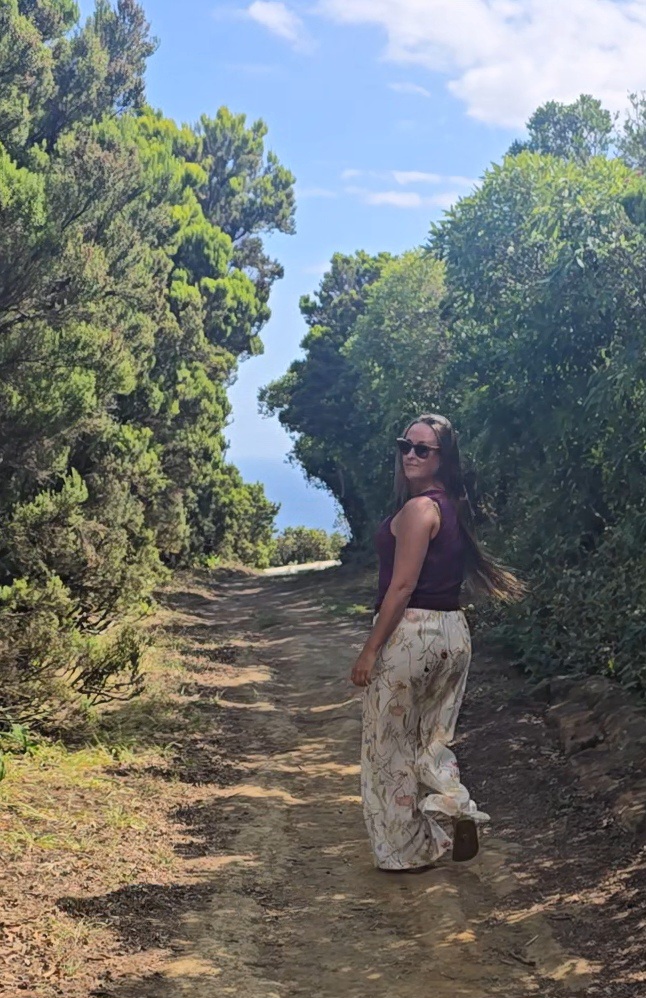
Nikki Bodie — author, storyteller and collector of oddities
Anybody seems ordinary until you know their story.
Everything does, too.
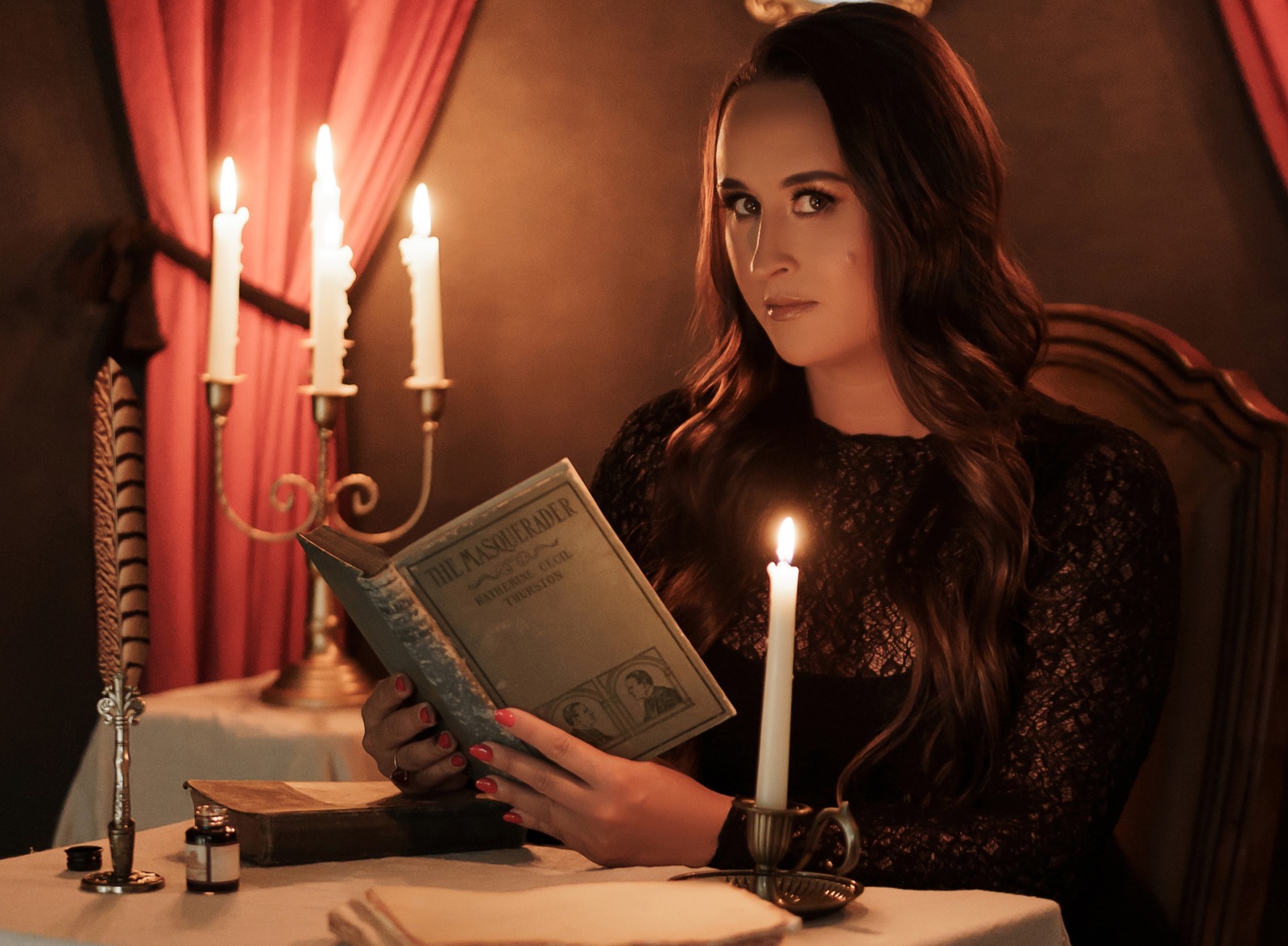
Nikki Bodie has always been interested in what gets overlooked.
People. Places. Houses with histories trapped in their walls. Objects that have passed through a hundred hands. Legends polished smooth by generations of retelling. The person history remembered incorrectly. The person it forgot altogether.
She is a writer, traveler, collector of oddities, and compulsive explorer of whatever lies beneath the obvious.
She has never met much of a stranger. Give her an empty seat beside someone in an airport, a bartender with time to talk, an old bookstore, an unmarked road, a peculiar artifact, or a local legend that begins with “people around here say…” and there is a reasonable chance she will disappear for a while.
She may come back with a friend.
She will almost certainly come back with a story.
Curiosity has carried her around the world and into the lives of people she might otherwise never have known. She is fascinated by what people love, what they fear, what they believe, what they remember, and what they would rather forget. But she is equally interested in the things that cannot speak for themselves.
Giving voice to the voiceless has become the quiet obsession beneath her work.
The voiceless are not always silent.
Sometimes they have been spoken over for so long that someone else's version of them became the truth.
History has a habit of handing the pen to whoever survived with the most power, leaving everyone else trapped in the margins or buried in the footnotes.
Villains inherit crimes they may never have committed.
Places outlive the people who knew what happened there.
And legends are repeated for so long that no one remembers where the truth ended and the telling began.
Nikki writes across genres because she follows the story wherever it wants to go.
Her fiction is difficult to shelve neatly, which is probably the point. It moves between psychological thrillers, Southern Gothic, speculative fiction, romance, history, folklore, science, metaphysics, and the uncanny, often borrowing from several at once.
Her stories are less interested in genre than in the questions hiding underneath it: who gets to decide what is true, how perspective changes reality, what we owe one another, what consciousness actually is, and how much of what we call fact, history, identity, or even existence depends upon who is looking, and who has the power to decide what everyone else sees.
She is particularly drawn to the places where disciplines begin bleeding into one another: psychology into physics, science into spirituality, history into mythology, love into obsession, life into death, and fiction into an examination of itself.
Some of her stories bend time.
Some question the narrator.
Some question the reader.
A few seem increasingly suspicious of the person writing them.
She is especially interested in contradictions: the uncomfortable possibility that two opposing things can both be true, and that the most interesting stories are often buried somewhere between what happened and the story everyone agreed to tell about it.
There is usually something hiding beneath the first version.
And she likes to dig.
But some stories do not wait to be unearthed. They arrive like an old friend who has been waiting to talk, already mid-sentence, already oversharing, already deep into the good parts, and her hands do their best to keep up.
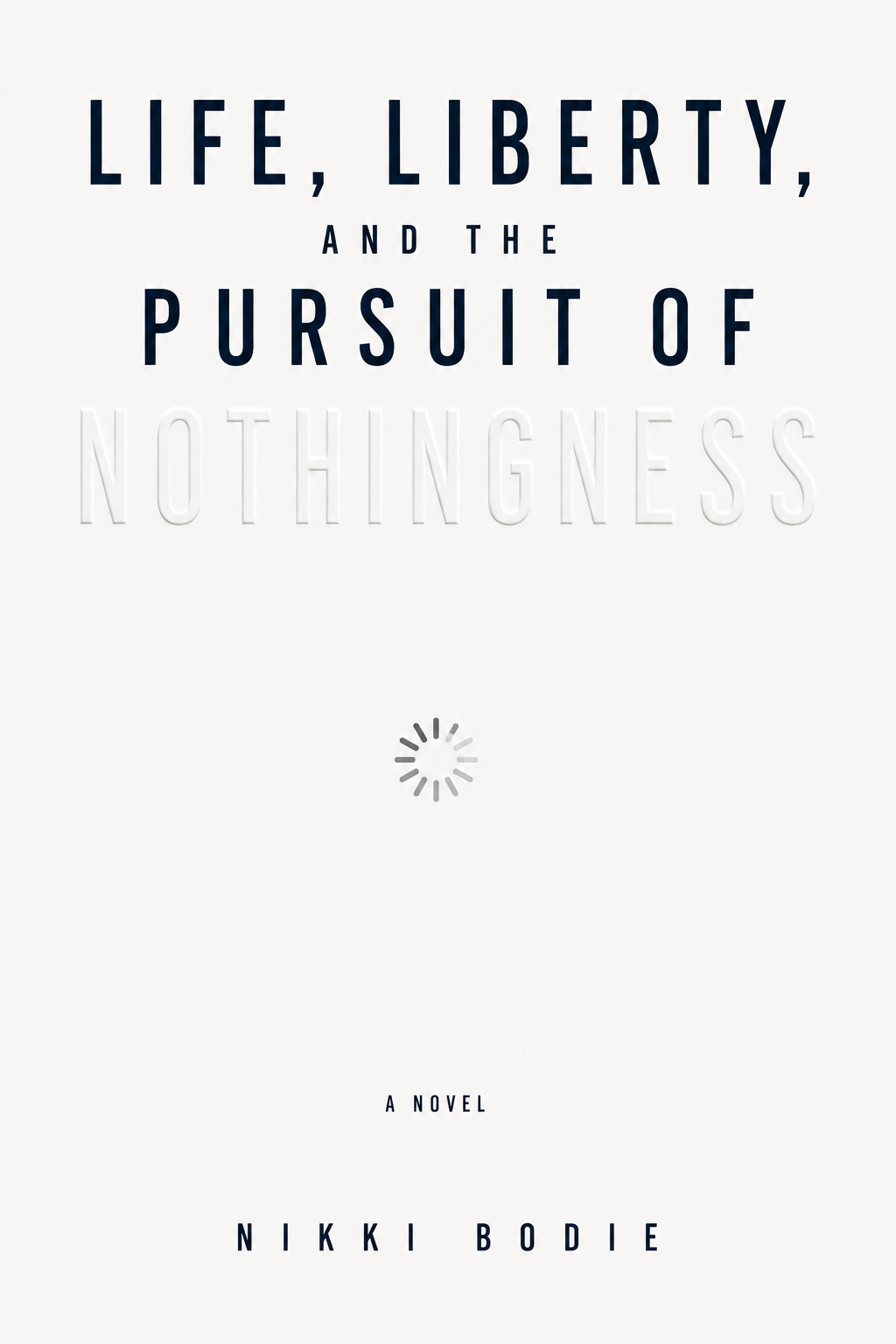
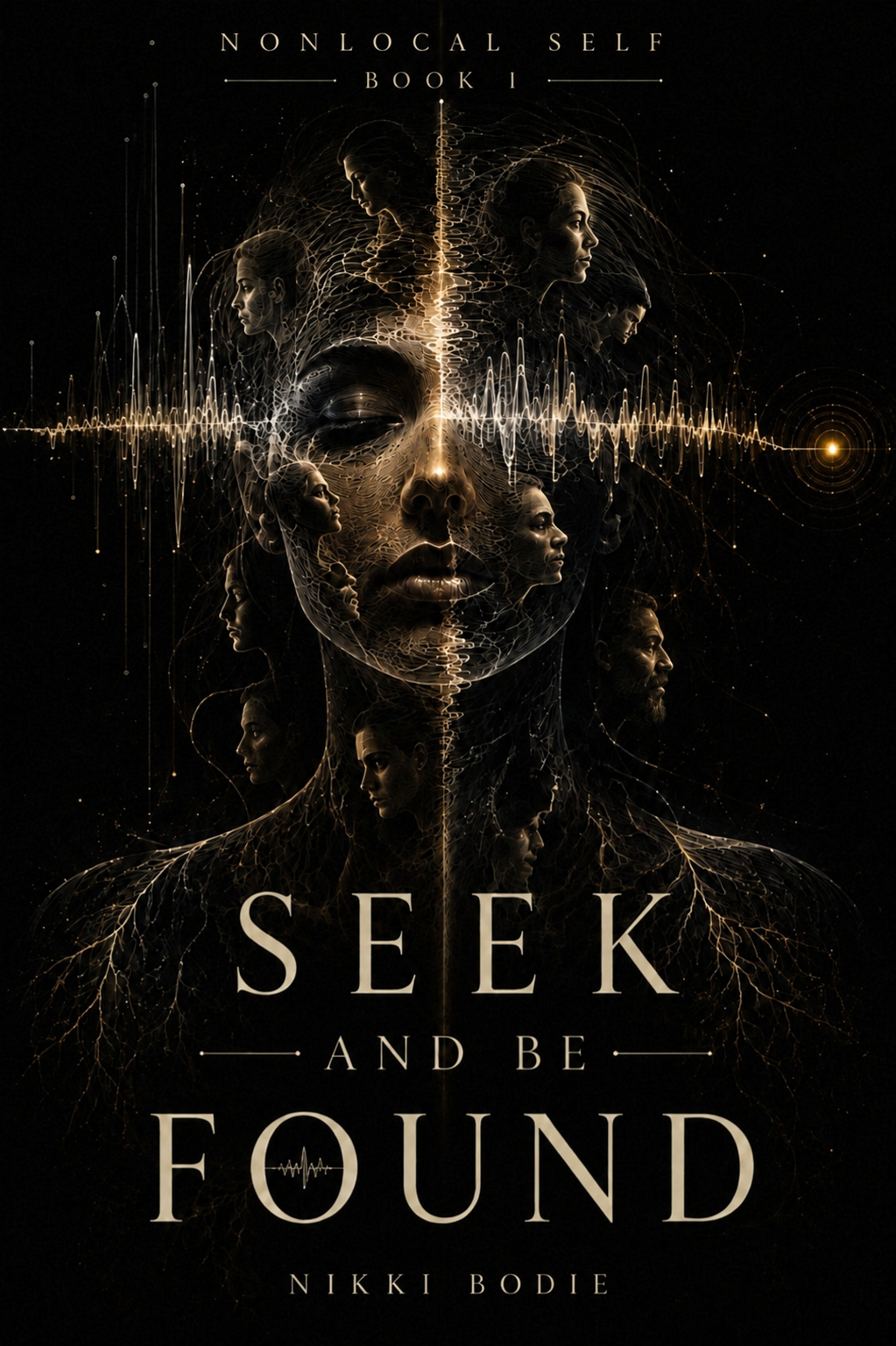
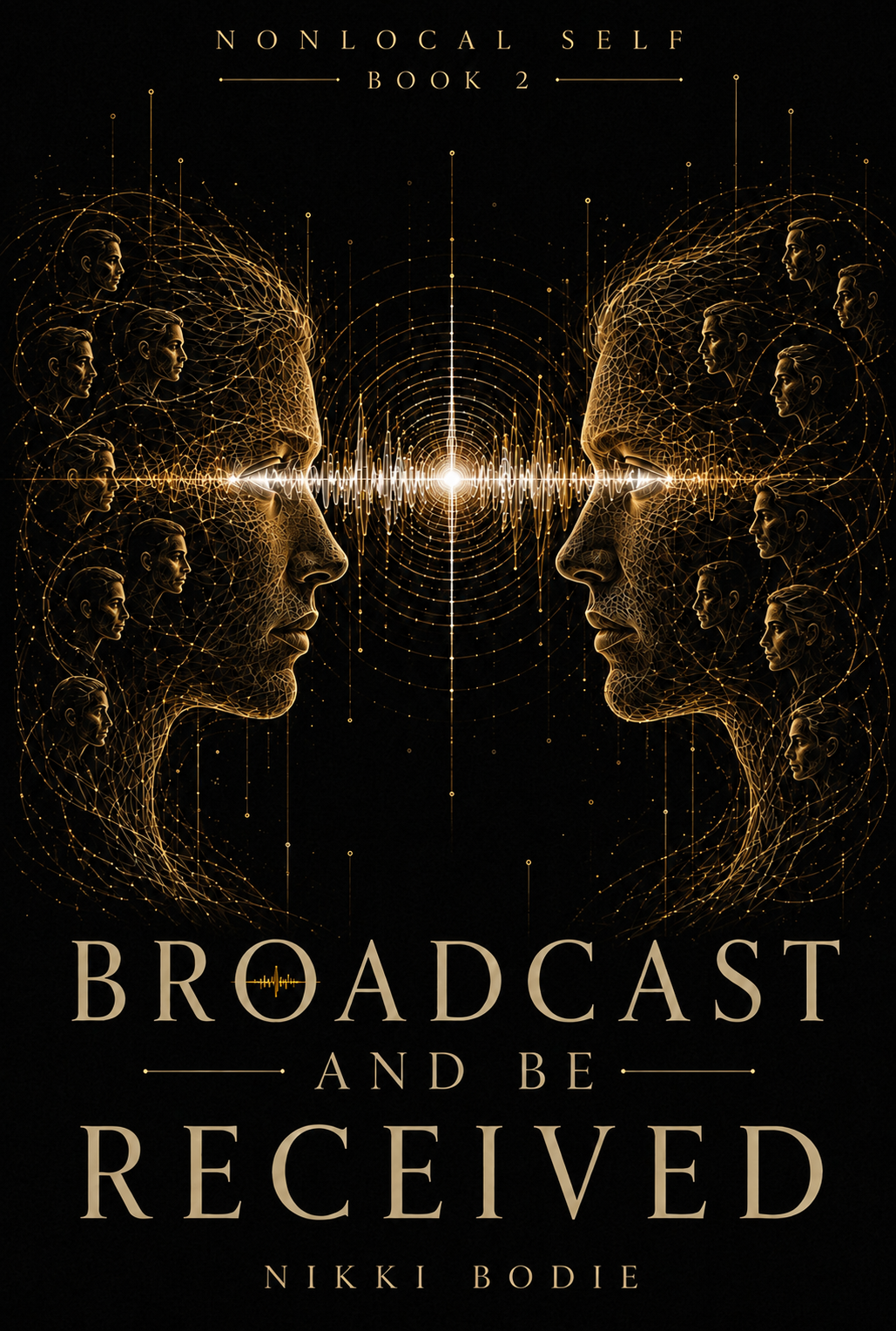
The Library
Stories told here. Some finished. Some still shuffling around in the attic. Some buried deep out back. You might find them, if you know where to dig.
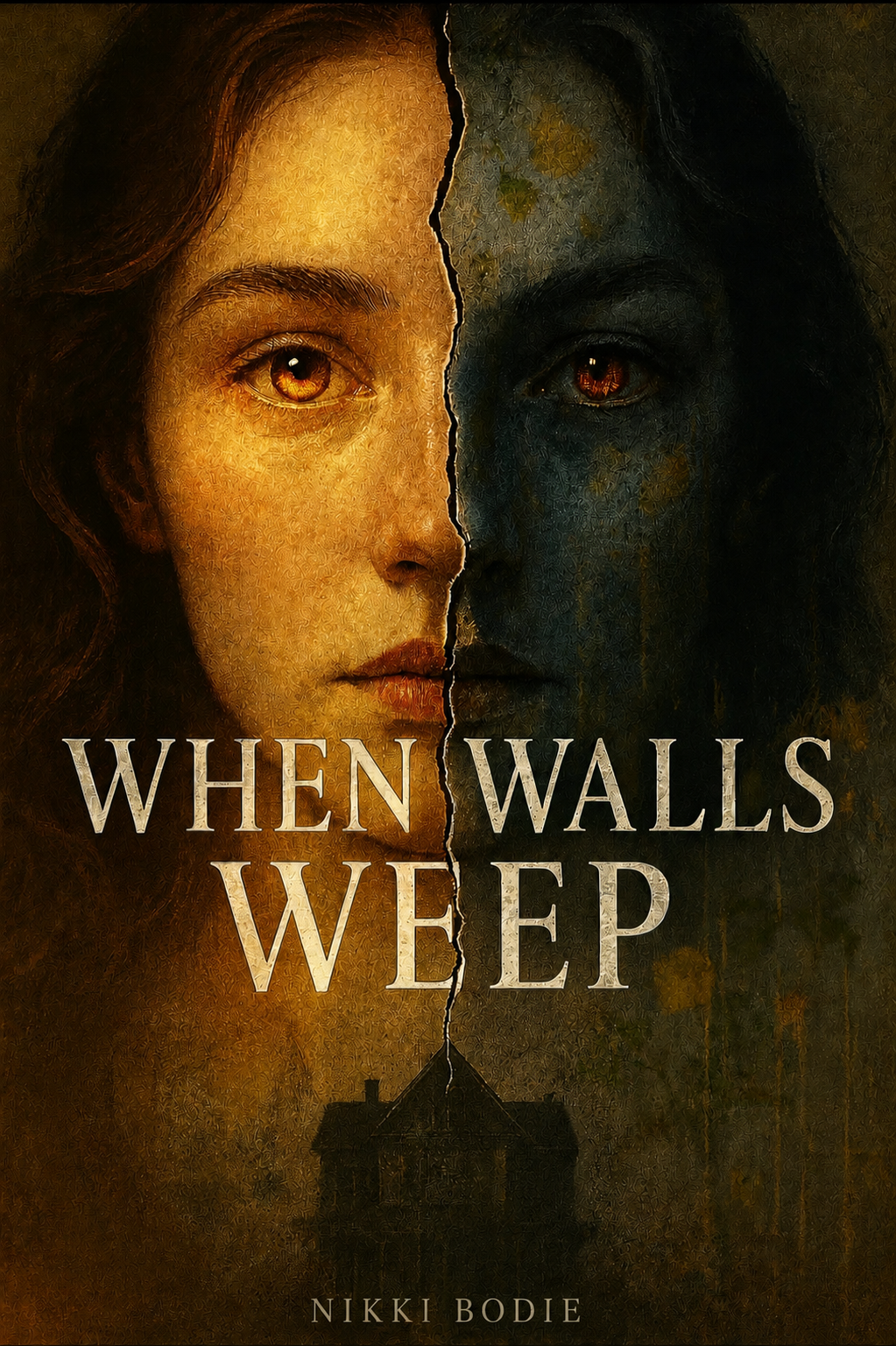
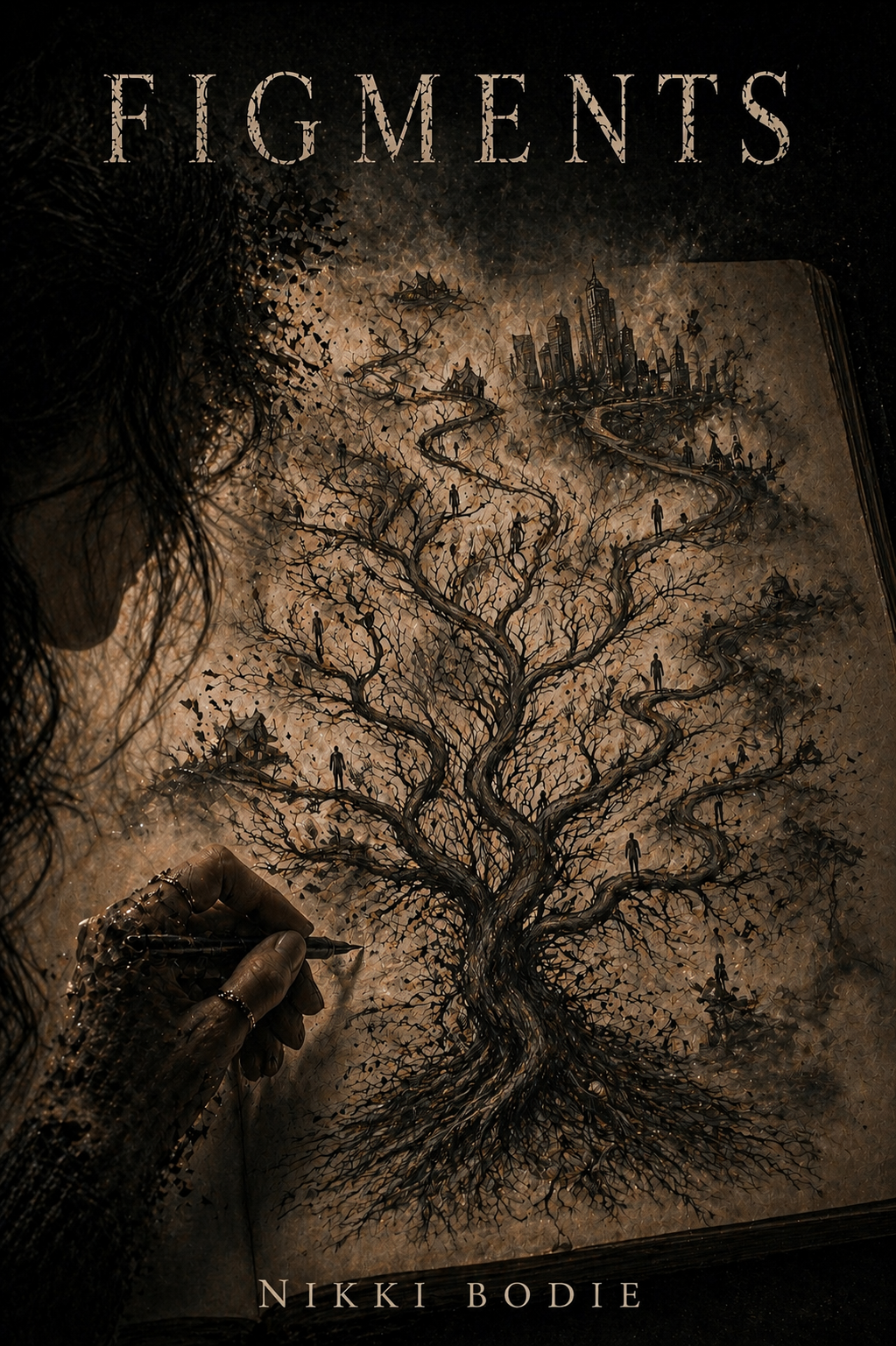
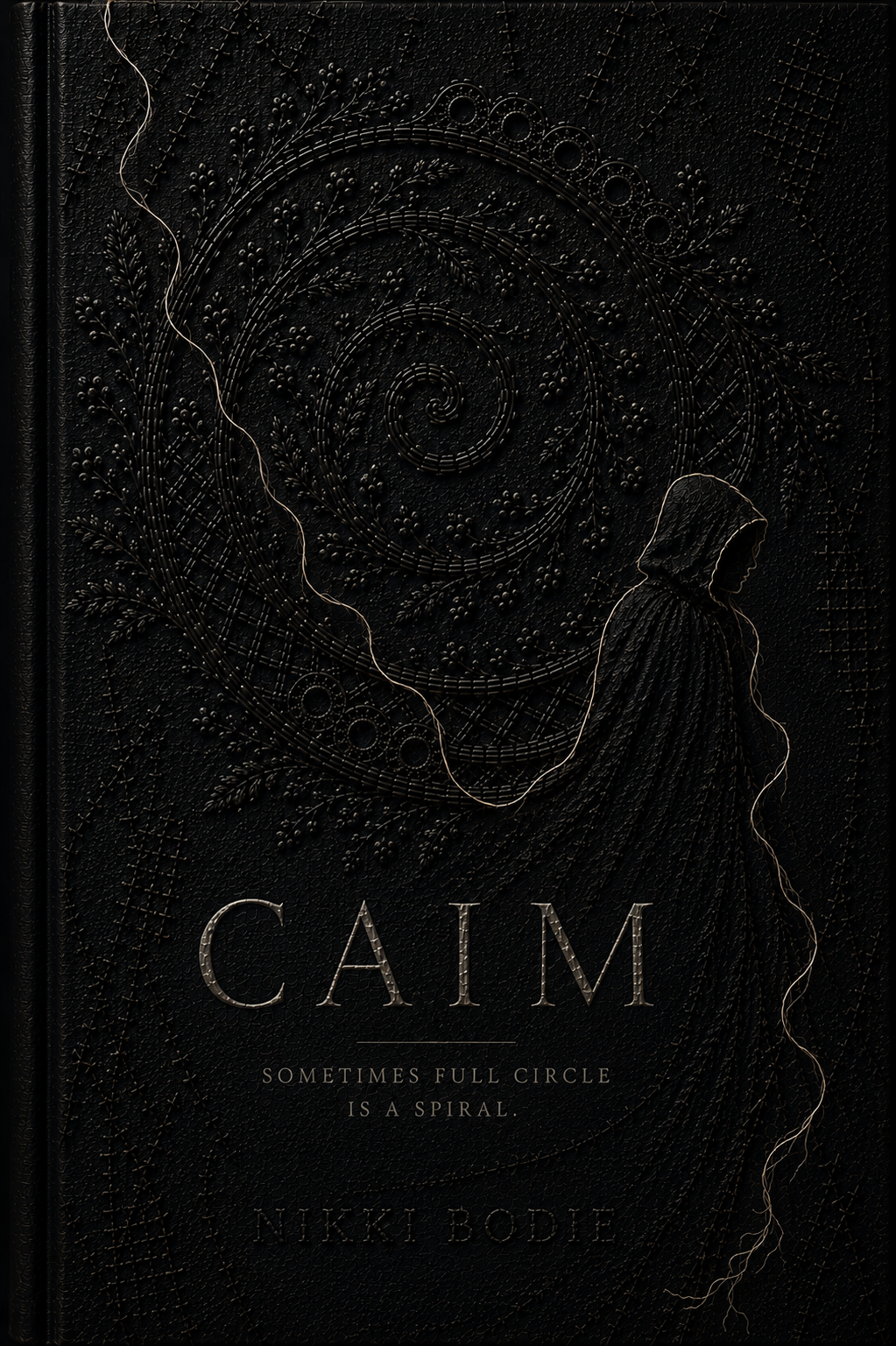
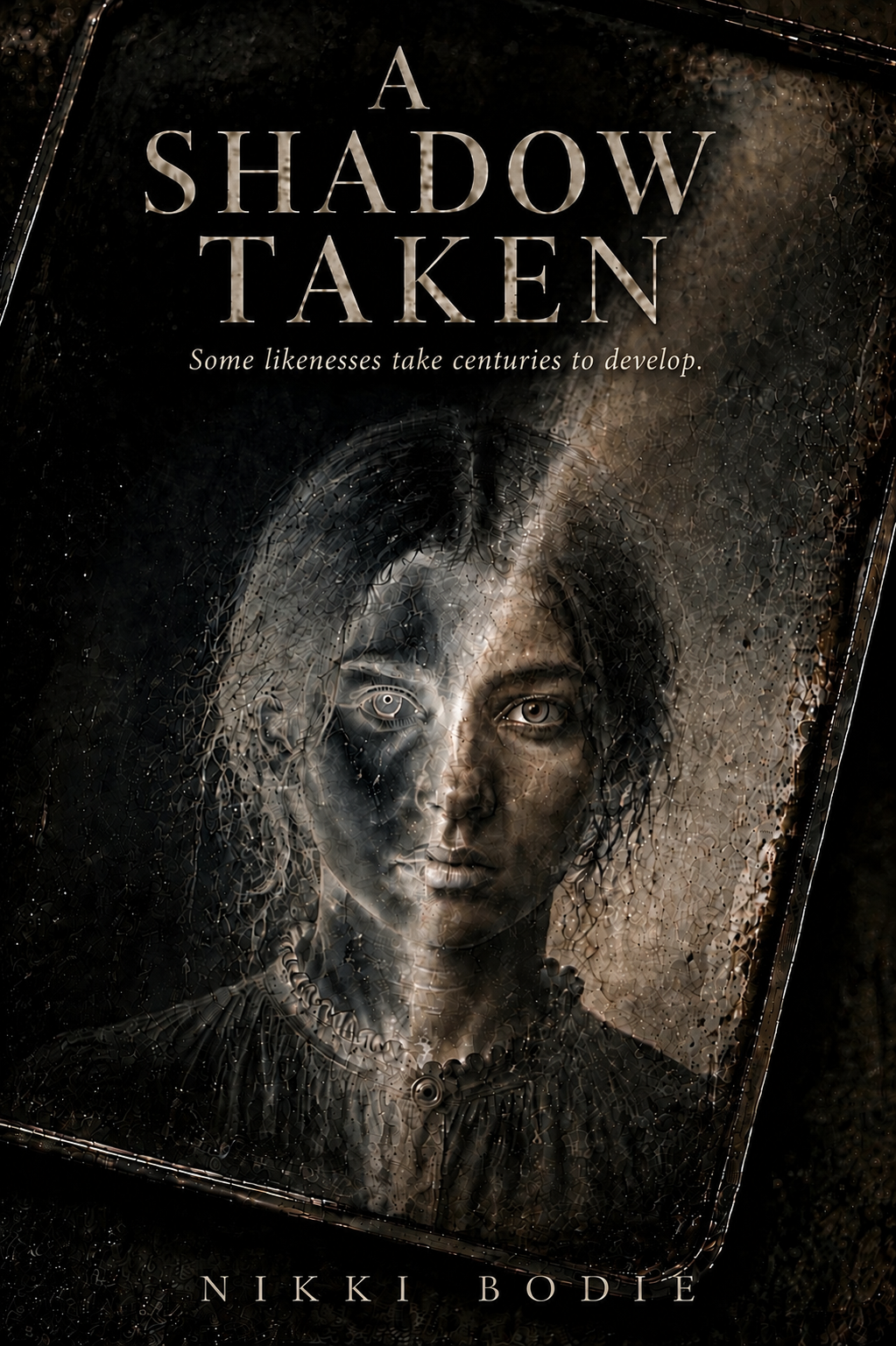
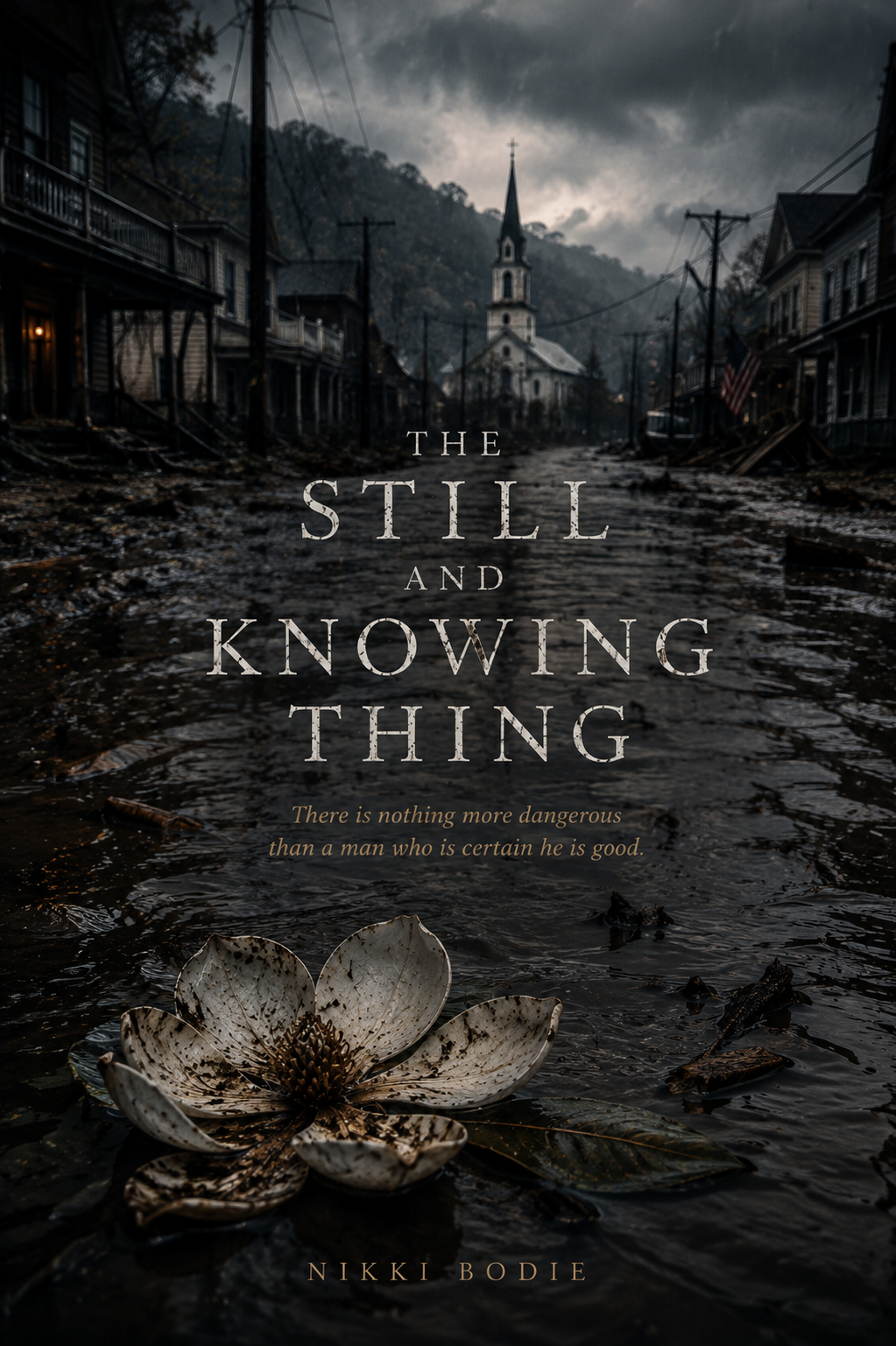
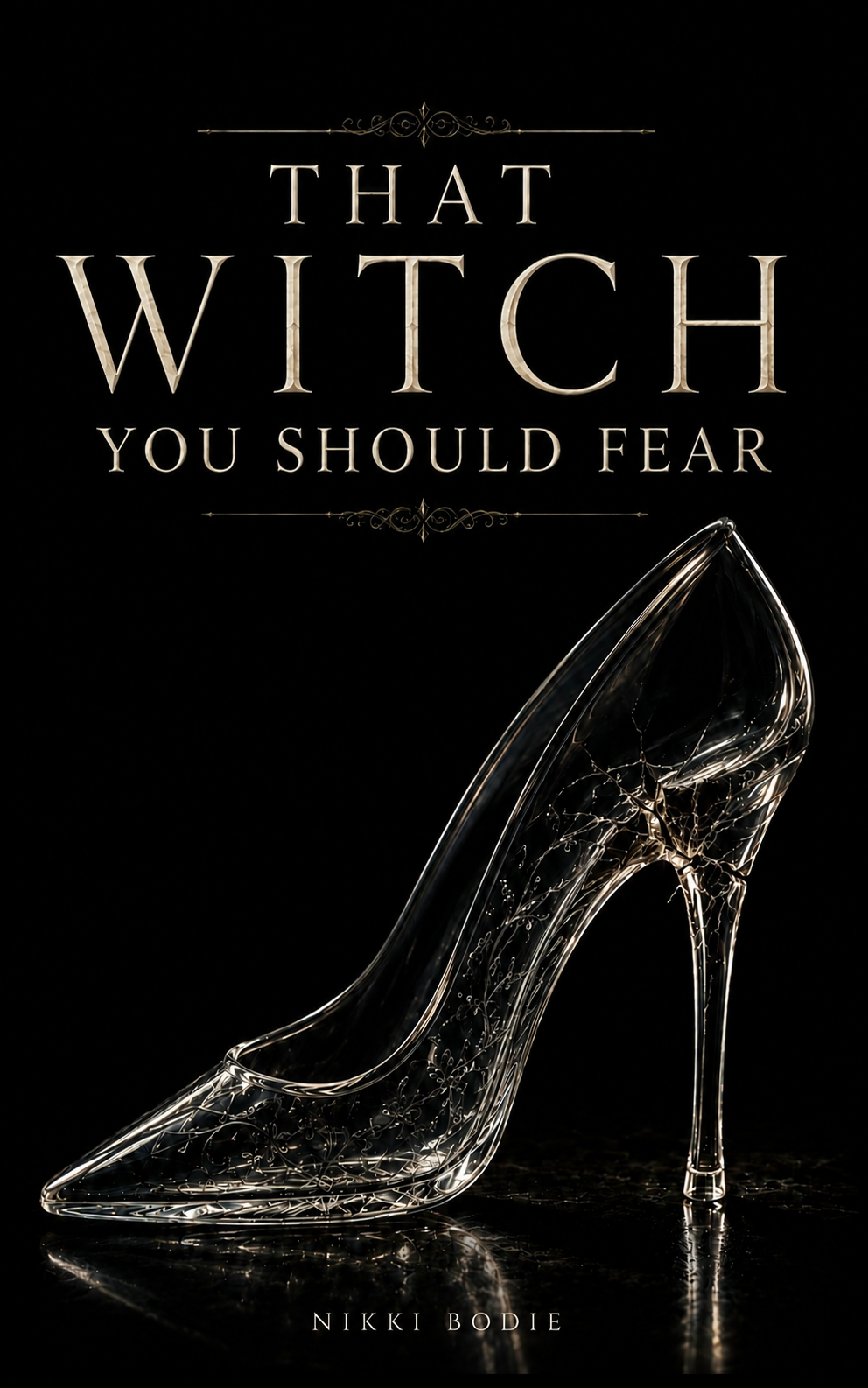
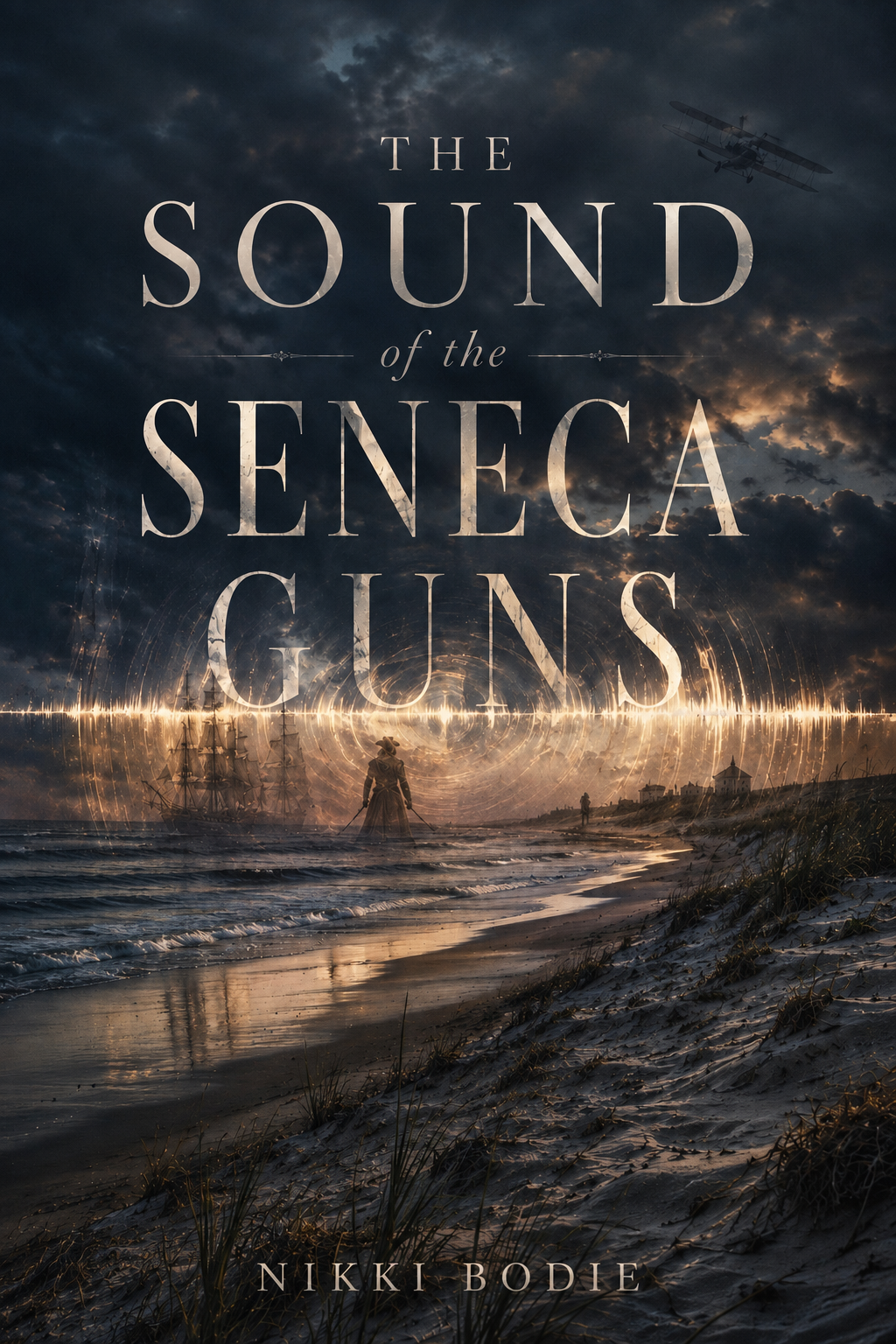
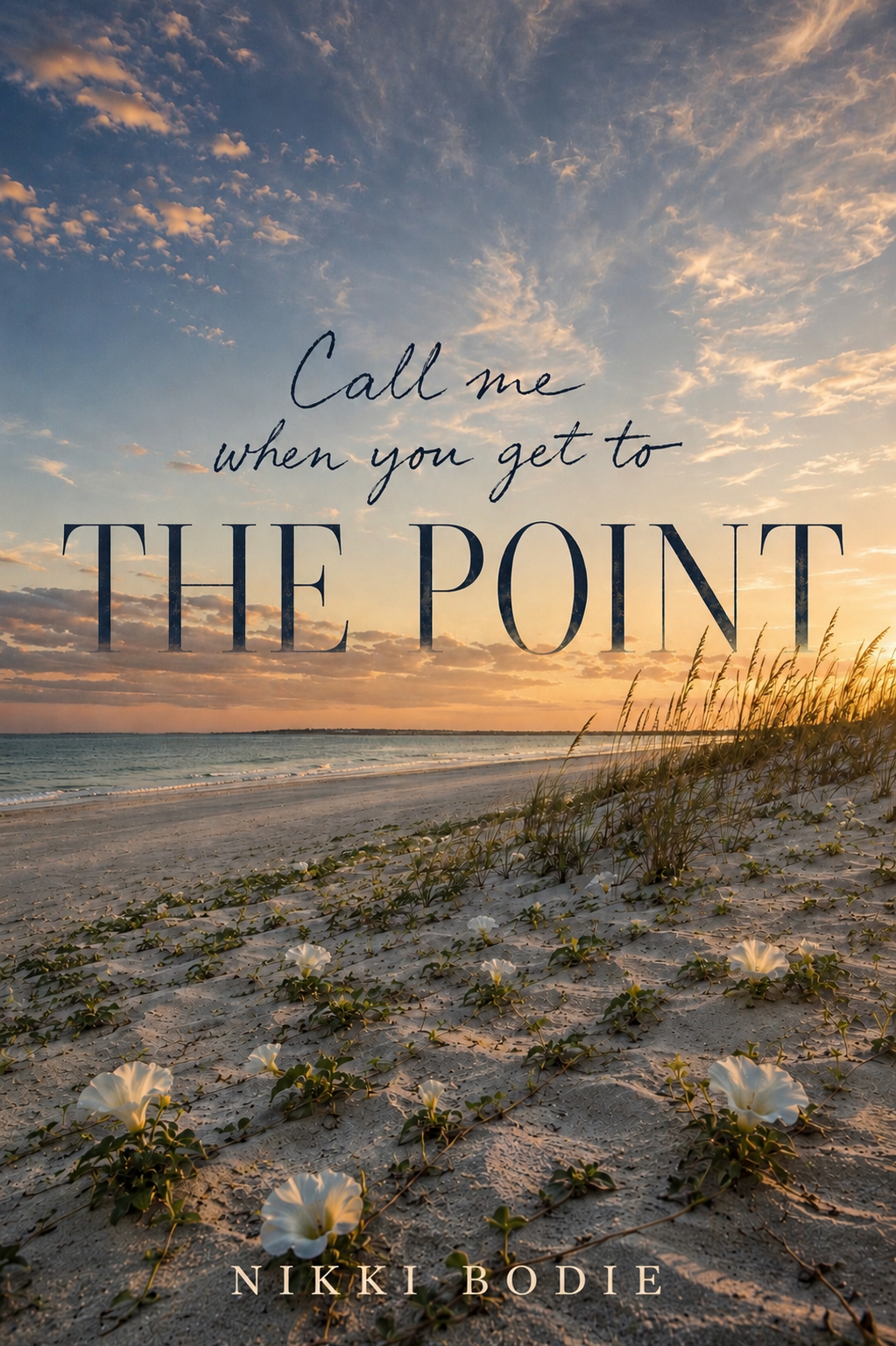
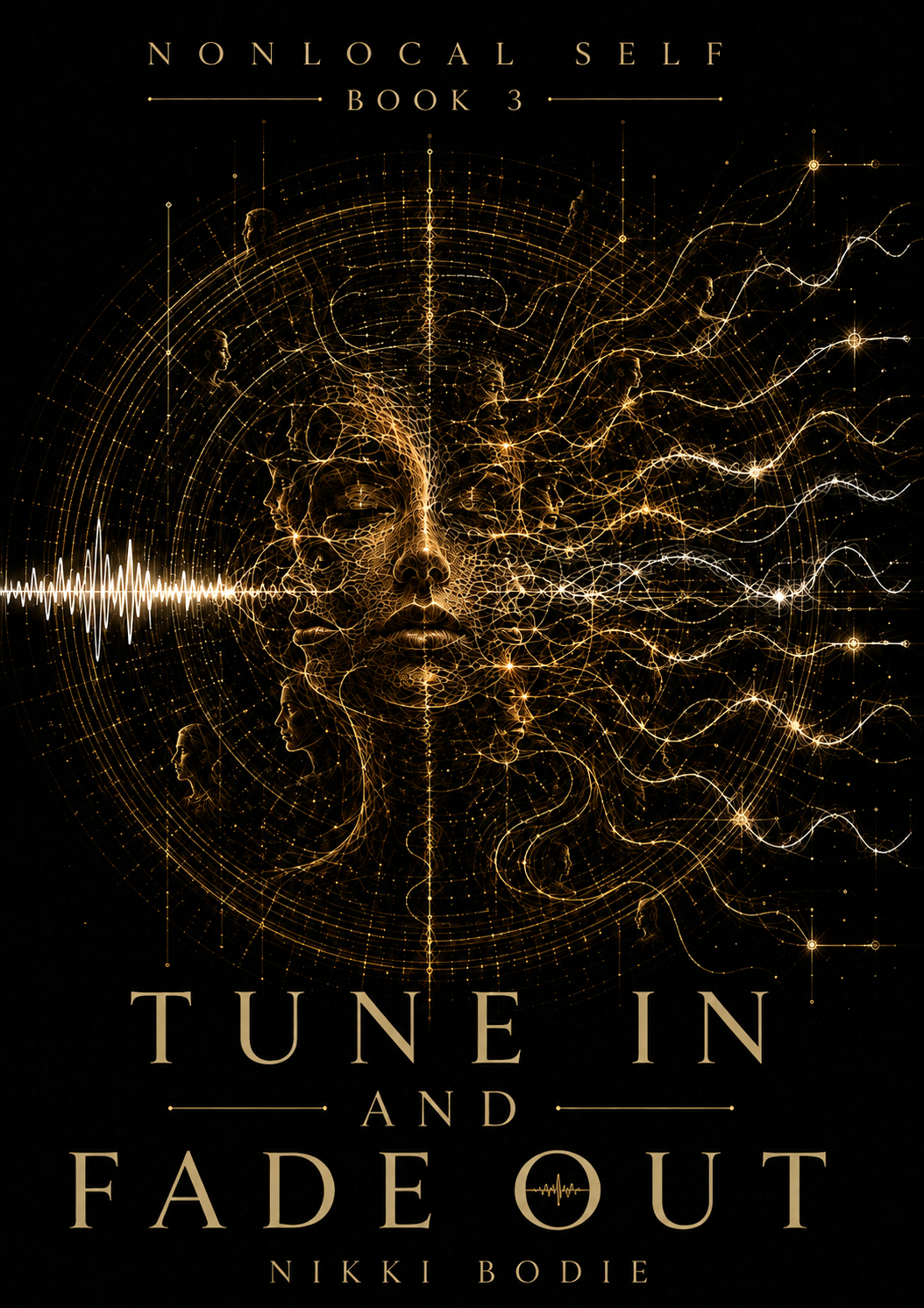
Bestand: Lore Lassen
The papers and unfinished work of Lorelei Anastasia Lassen.
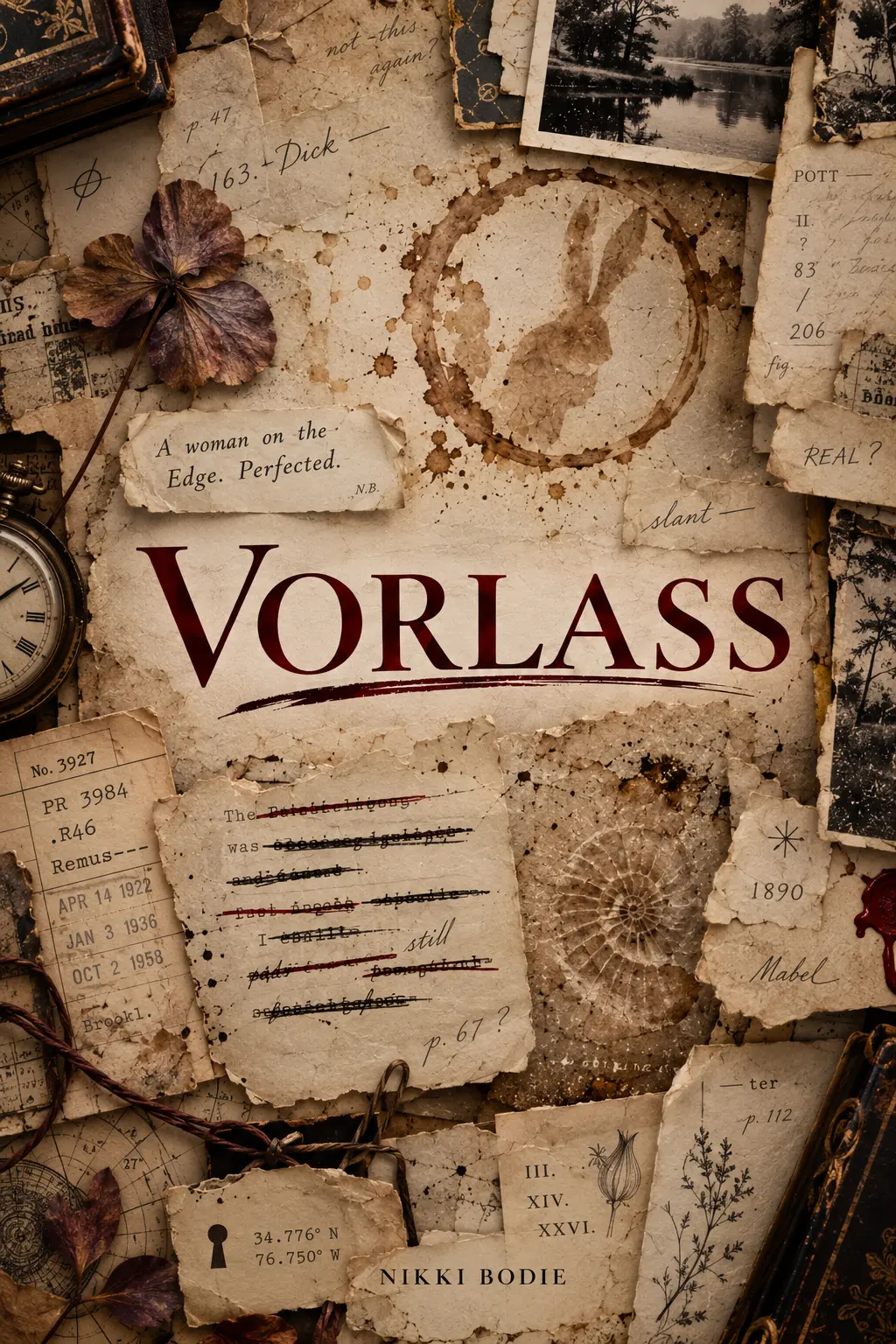
What Lore left behind remains unfinished.
The Margins
Notes written beside the work rather than inside it.
- 22What the Dickens?Notes from beside an ending that should have been left alone · September 13, 2026Sometimes the person holding your pen is the friend you handed it to.Open →
- 21That's Not My FaceNotes from beside the uncanny valley · September 12, 2026Yesterday I left myself with a problem.Open →
- 20Apparently She Needs a WebsiteNotes from beside a demanding character · September 11, 2026Yesterday I decided Lore Lassen needed files.Open →
The House
Some stories begin in the mind.
Others begin much lower.
In the drop of a stomach.
A held breath.
The prickle of skin.
A memory that arrives first as sensation and only later as language.
NBodied Writing House was built for those stories.
The name is deliberate.
N. Bodie. NBodied. Embodied.
Part name. Part philosophy.
Embodied writing begins with the understanding that stories are not only intellectual experiences. We feel them.
Emotion lives in the body. Grief catches in the throat. Fear changes the breath. Intuition settles somewhere in the gut before the mind knows what it knows.
Writing can give those sensations form.
A feeling can be placed inside a character when it is too difficult to approach directly.
A house can hold grief.
A landscape can carry loneliness.
An object can become a witness.
A monster can inherit a fear.
Fiction can create enough distance from an experience to let us approach it differently, turn it over, inhabit it, question it, and sometimes understand something we could not reach head-on.
That is one meaning of NBodied.
But embodiment moves in both directions.
A story can begin with something felt in the writer's body, become language on a page, and create a physical or emotional response in someone else's.
A held breath.
A tightening chest.
Dread.
Desire.
Recognition.
Grief for someone who never existed.
The strange ache of finding something of yourself inside a fictional life.
Something begins in one body, becomes language, and is experienced in another.
That exchange is at the heart of NBodied Writing House.
But the name carries another meaning, too.
To embody something is to give it form.
An idea becomes a character.
A memory becomes a house.
A question becomes a novel.
Something previously without a voice begins to speak.
And that is why NBodied Writing House exists.
A House for Stories
NBodied Writing House is an independent publishing house founded to give stories room to become fully themselves.
It began as a home for Nikki Bodie's work and a way to protect the creative freedom to follow a story wherever it needed to go, even when that meant crossing genres, experimenting with form, asking uncomfortable questions, or creating something that refused to fit neatly onto an established shelf.
Here, the story comes before the category.
Creative freedom comes before conformity.
And voice matters.
The house is particularly interested in stories that look beneath the version already being told.
The forgotten.
The overlooked.
The misunderstood.
The person whose story was told by someone else.
The history buried beneath the version that survived.
The experience that is difficult to explain directly.
The voice that has spent too long being spoken over.
Because giving voice to a story is not always about speaking louder.
Sometimes it is about creating enough room for something else to finally be heard.
More Than One Voice
NBodied Writing House began with Nikki's stories.
It is not intended to end there.
As the house grows, so does its purpose: to create space for other writers and stories that share its commitment to emotional truth, curiosity, creative freedom, and work that is willing to exist between categories when that is where it belongs.
Not every story needs to fit neatly inside a room someone else already built for it.
Sometimes it needs a different room.
Sometimes it needs the freedom to knock down a wall.
Sometimes it needs a house of its own.
NBodied Writing House exists to give it one.
A place to give difficult feelings form.
To give overlooked stories room.
To give voices somewhere to speak.
To give ideas bodies.
And to send them out into the world with their pulse intact.
The Mailbox
If you have a story, an object, or a question that will not leave you alone, leave it here.
Or write directlypapertrail@nikkibodie.com