How to Have Milan to Yourself
Apparently, you just have to stop sleeping.
I went to Italy for my 37th birthday.
Milan.
Florence.
It was December, which meant Christmas markets, lights strung across streets, enormous decorated trees, cold nights, hot food, and cities that already have an unfair amount of beauty deciding they could probably stand to be a little prettier.
I approved.
There is also something I've learned about traveling to places everyone else wants to see.
If you want the photograph without everyone else in it, you have two options:
Get up very early.
Or stay out very late.
I am not a morning person.
So.
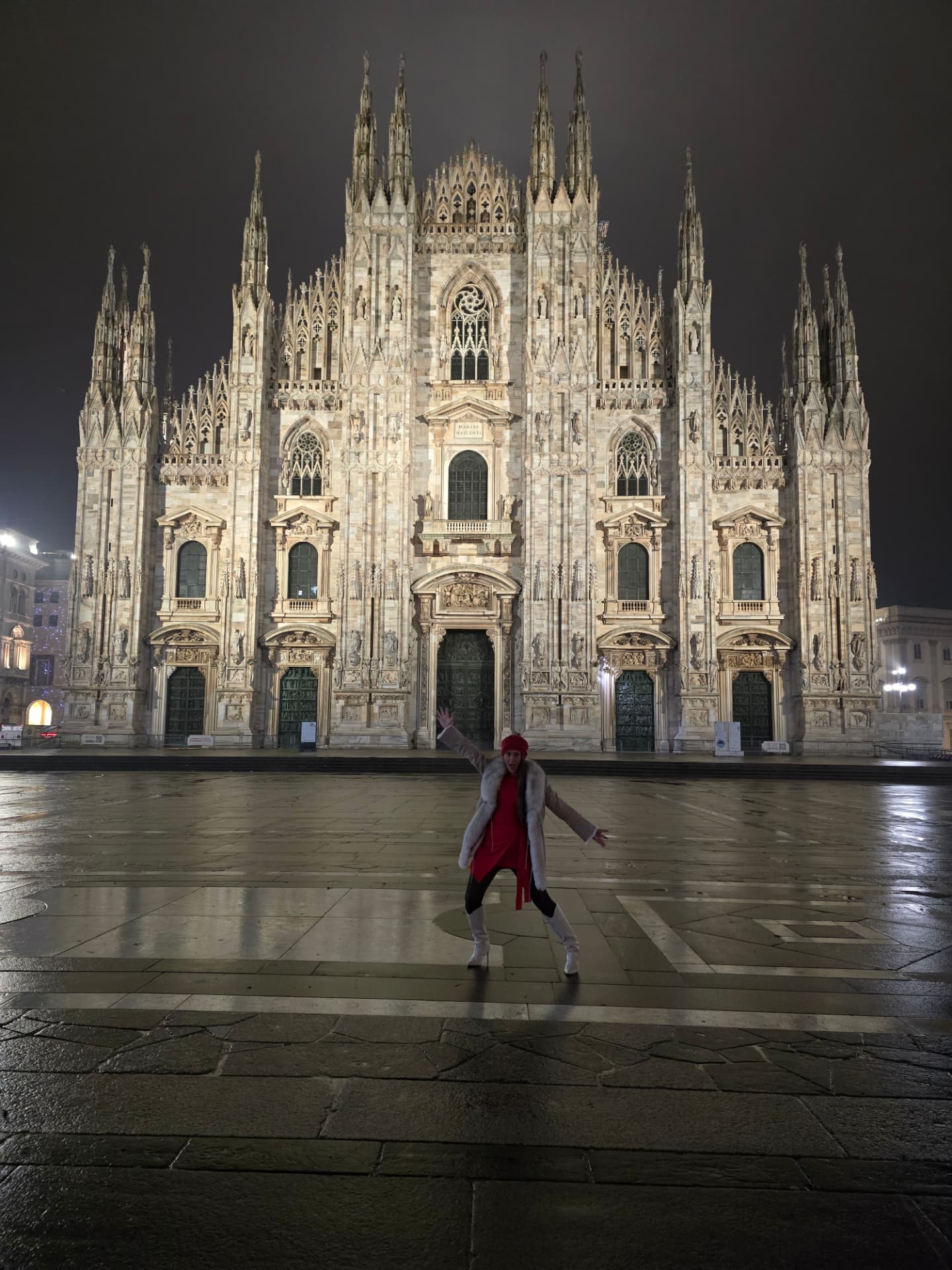
The City After Everyone Goes Home
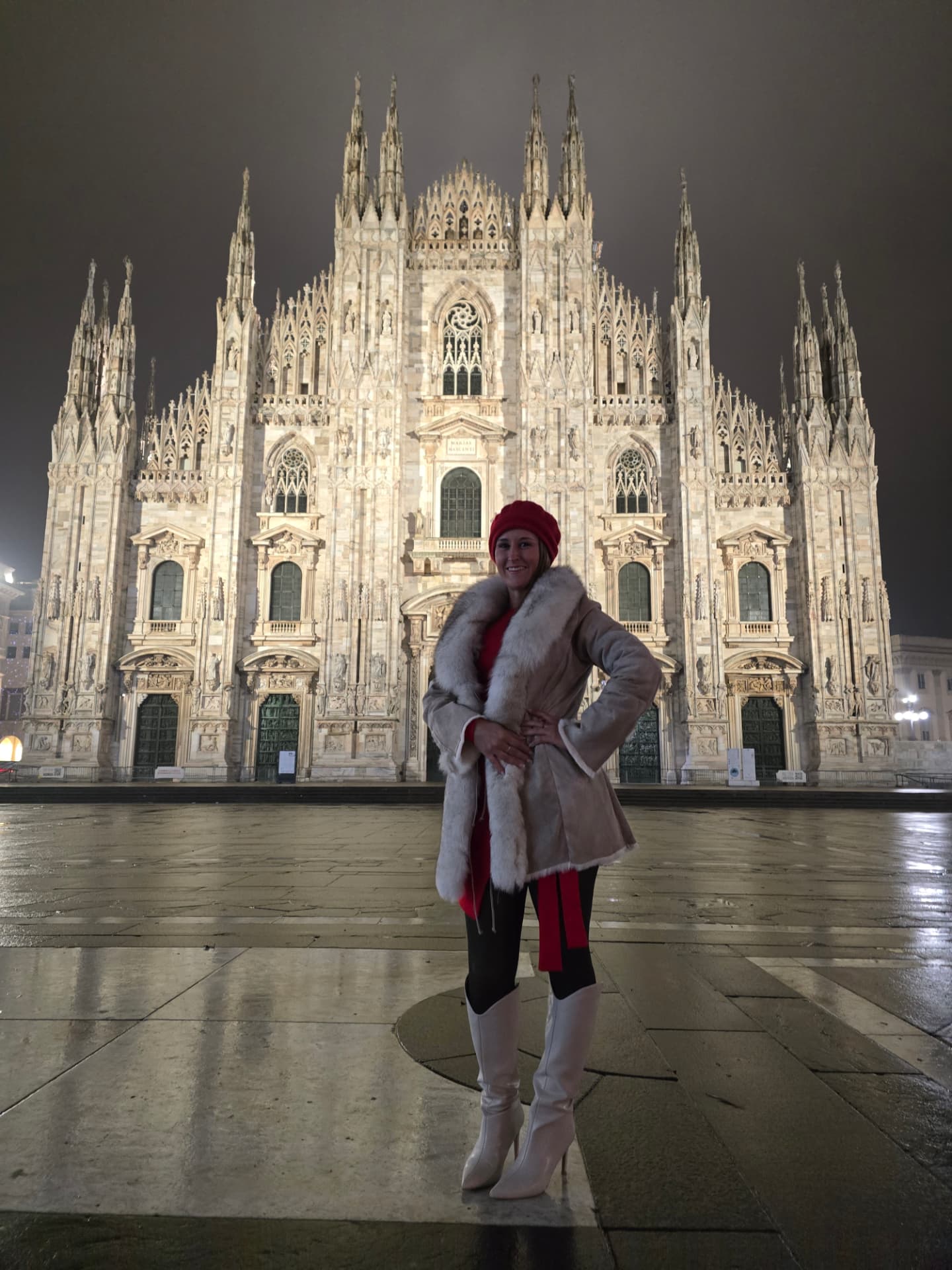
Milan at night was ridiculous.
Not nightlife-night.
Later.
The hour when sensible tourists have returned to their hotels and suddenly the places that were packed with people a few hours earlier are just…
there.
Empty.
You can stand in the middle of somewhere you've spent your entire life seeing in photographs and, for a few minutes, it feels like somebody forgot to lock up after closing.
That's the secret.
People ask how you get vacation photographs without crowds behind you.
You don't Photoshop them out.
You wait them out.
Stay out long enough and eventually even tourists need to sleep.
It turns out exhaustion is an excellent photography technique.
The Duomo From Above
The Duomo di Milano is one of those buildings that becomes less comprehensible the closer you get to it.
From the piazza, you can understand the general idea.
Cathedral.
Very large.
Very ornate.
Lots of spires.
Got it.
Then you go onto the roof.
And suddenly you're walking through the architecture.
There are pinnacles beside you.
Statues above you.
Carved stone everywhere.
Things somebody designed and somebody else carved and somebody else hauled into place hundreds of years before anyone had invented the vacation selfie.
The cathedral took centuries to complete, which starts to make sense once you're standing among the thousands of sculptural details covering it.
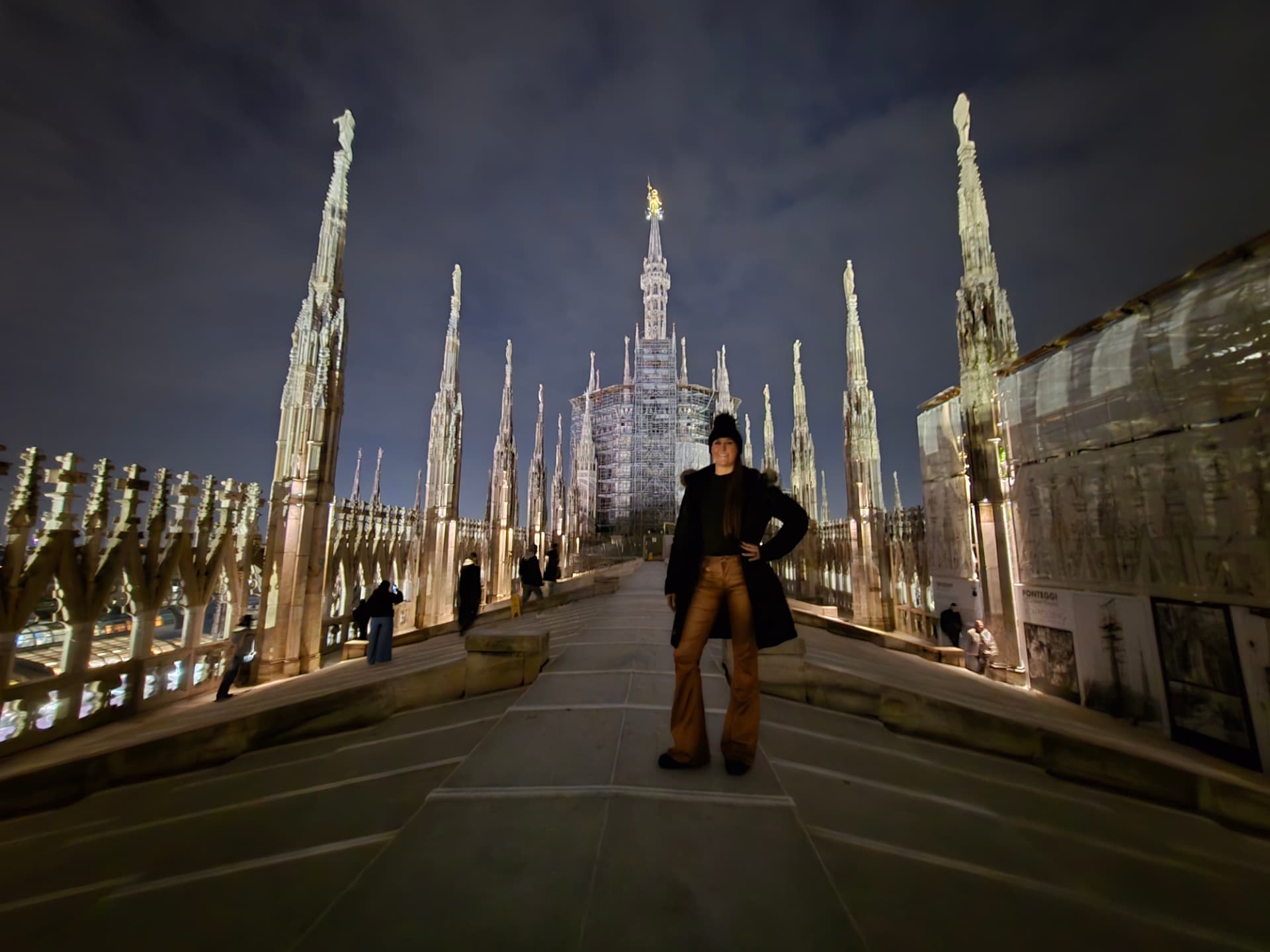
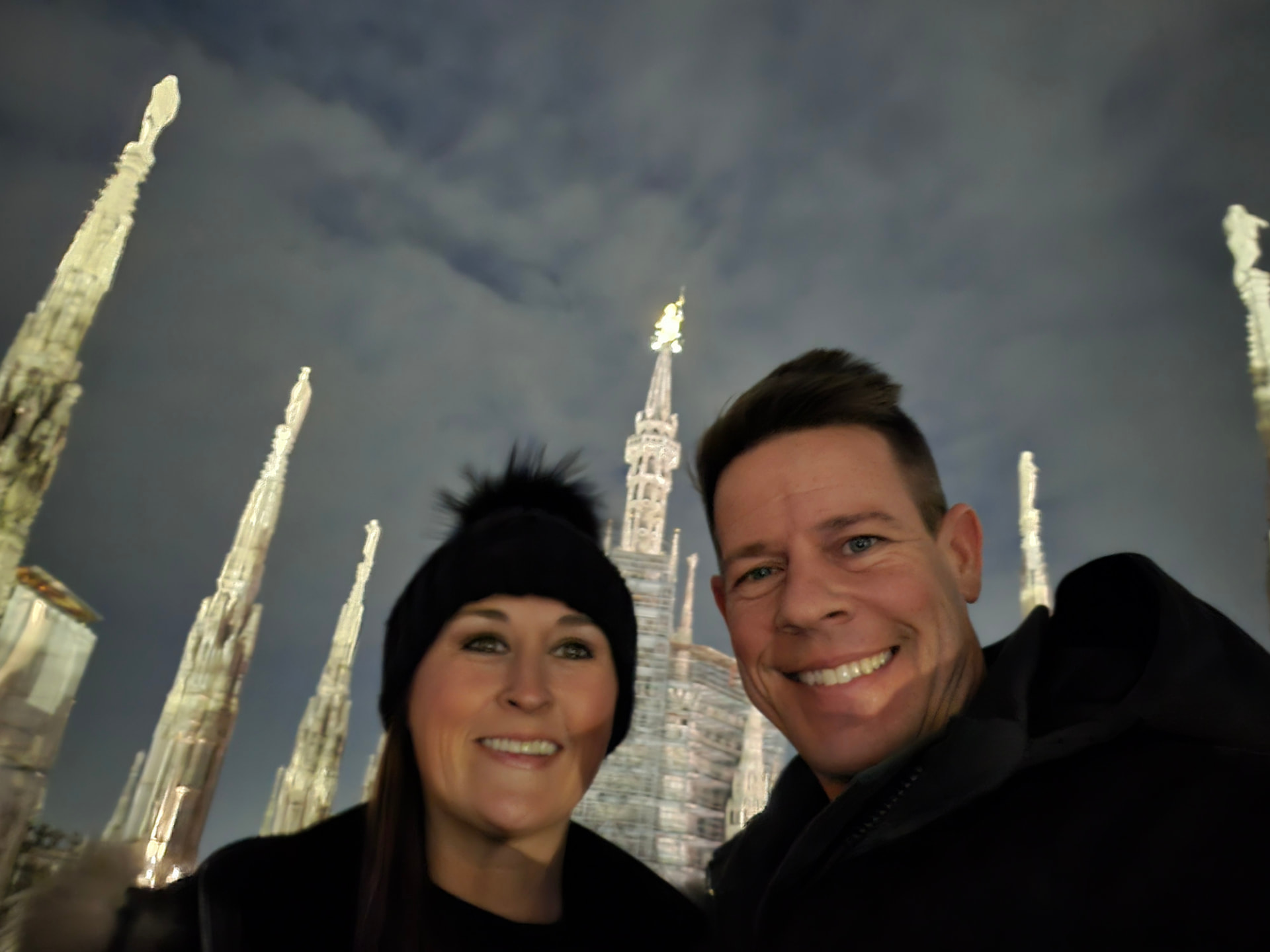
And then you look out.
Milan beneath you.
Modern city stretching away from this absurd forest of Gothic marble.
That contrast was one of my favorite things about it.
Old stone.
New city.
Both still happening.
And Then There's the Galleria
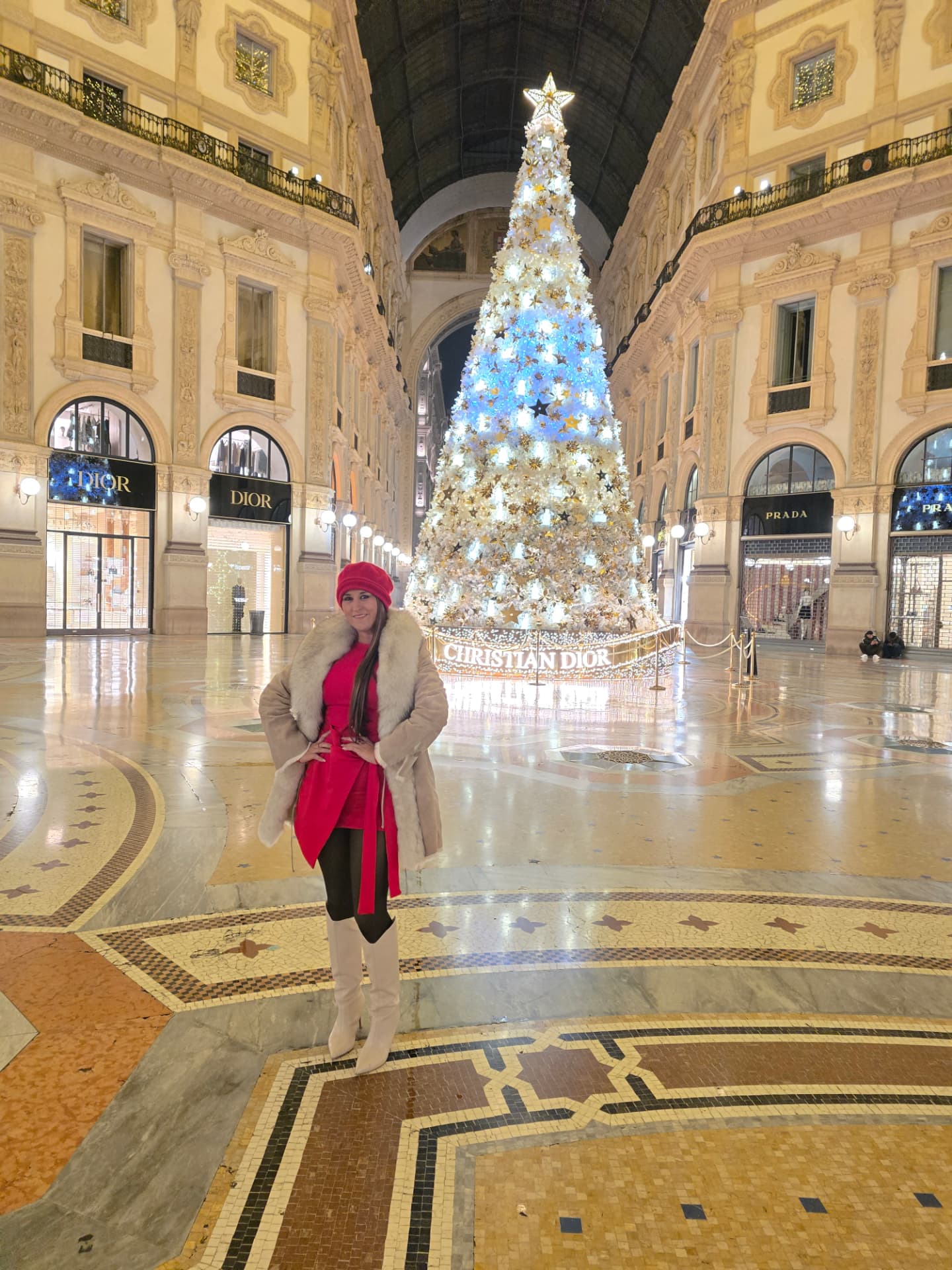
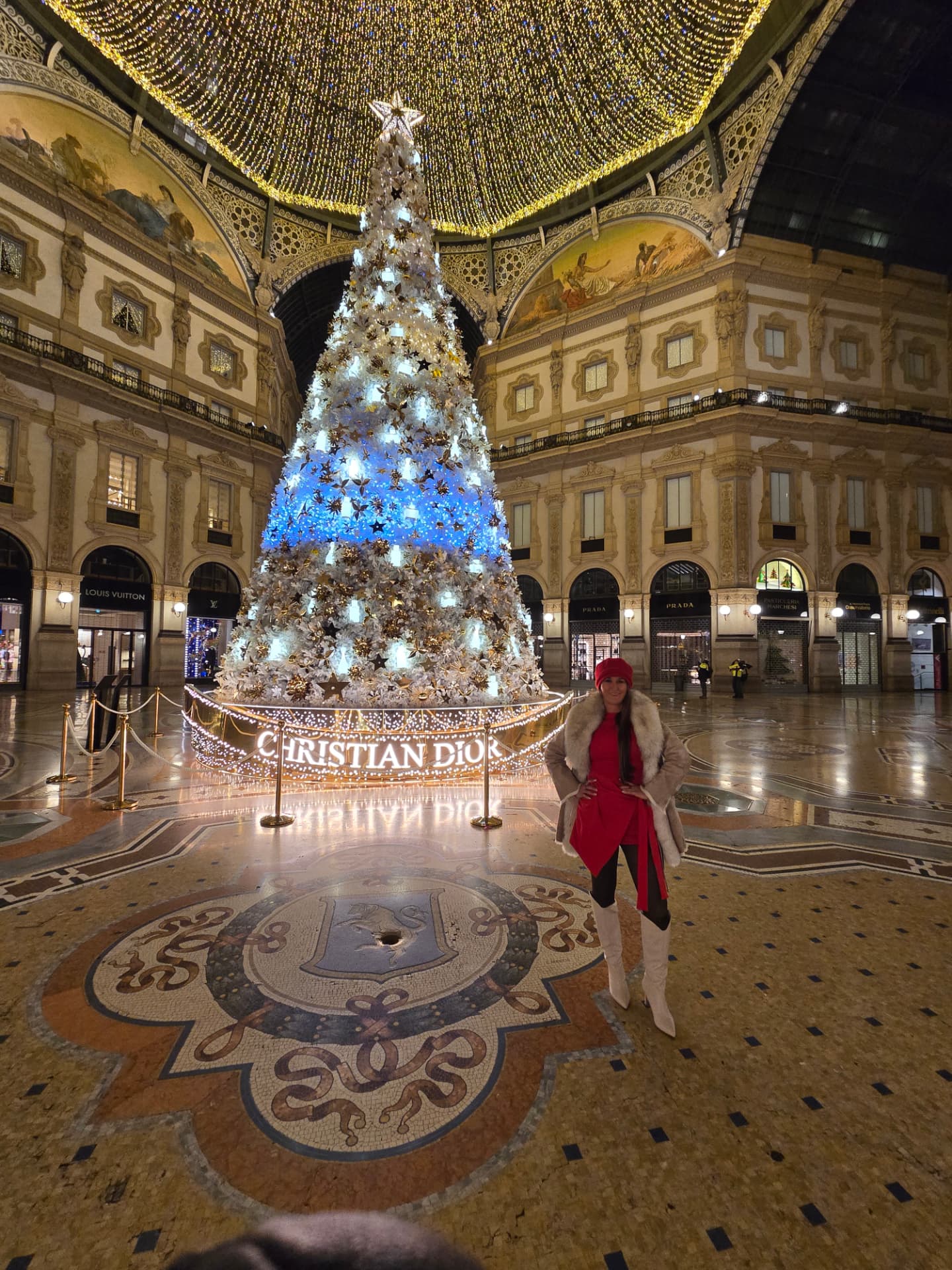
Next door is the Galleria Vittorio Emanuele II, which is technically a shopping arcade and therefore has absolutely no business looking the way it does.
Glass vaults.
Mosaics.
Ornate façades.
That enormous central dome.
Restaurants and shops underneath architecture dramatic enough to make buying something feel vaguely ceremonial.
At Christmas it was even more excessive.
There was an enormous Christmas tree beneath the glass.
Lights.
Decorations.
People moving through all of it.
And just outside, the Christmas market wrapped around the Duomo.
I love Christmas markets anyway.
Put one beside a Gothic cathedral in Milan and apparently I'm willing to forgive winter for existing.
We wandered.
Ate.
Drank.
Looked at things we absolutely did not need.
Bought some of them anyway.
The usual sacred traditions.
Look at the Walls
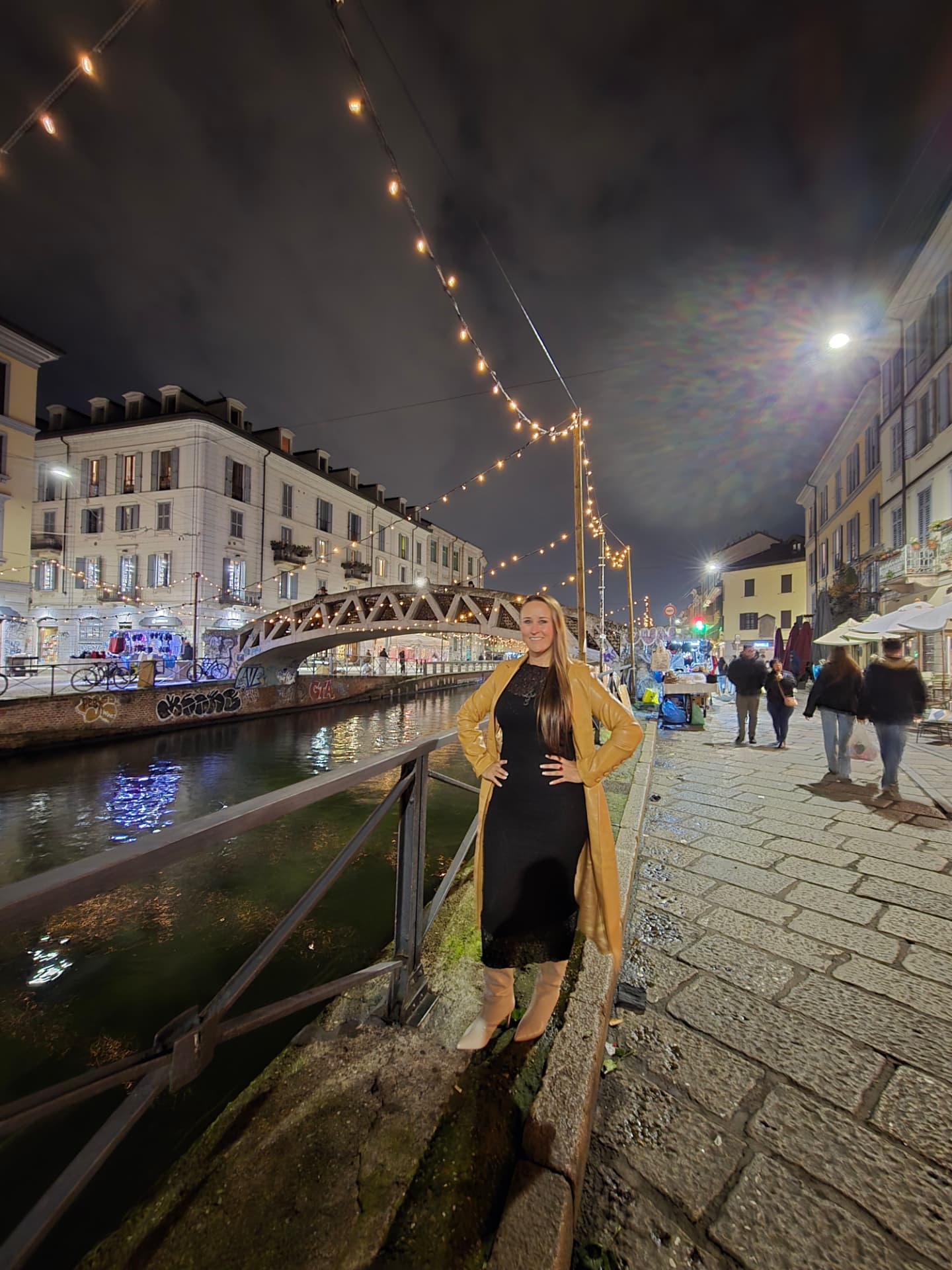
And then there was the graffiti.
I always notice graffiti when I travel.
Not because every spray-painted wall is profound.
Somebody, somewhere, is always just drawing a penis.
Humanity is remarkably consistent.
But street art tells you something polished landmarks don't.
The cathedral tells you what a city preserved.
The museum tells you what it decided mattered.
The graffiti tells you what somebody needed to say right now.
Sometimes political.
Sometimes angry.
Sometimes funny.
Sometimes beautiful.
Sometimes completely incomprehensible to anyone except the person who put it there.
I photograph it anyway.
I like cities at the edges.
Alleys.
Doors.
Walls.
Things pasted over older things.
Paint covering paint.
The parts nobody put on the postcard.
Florence
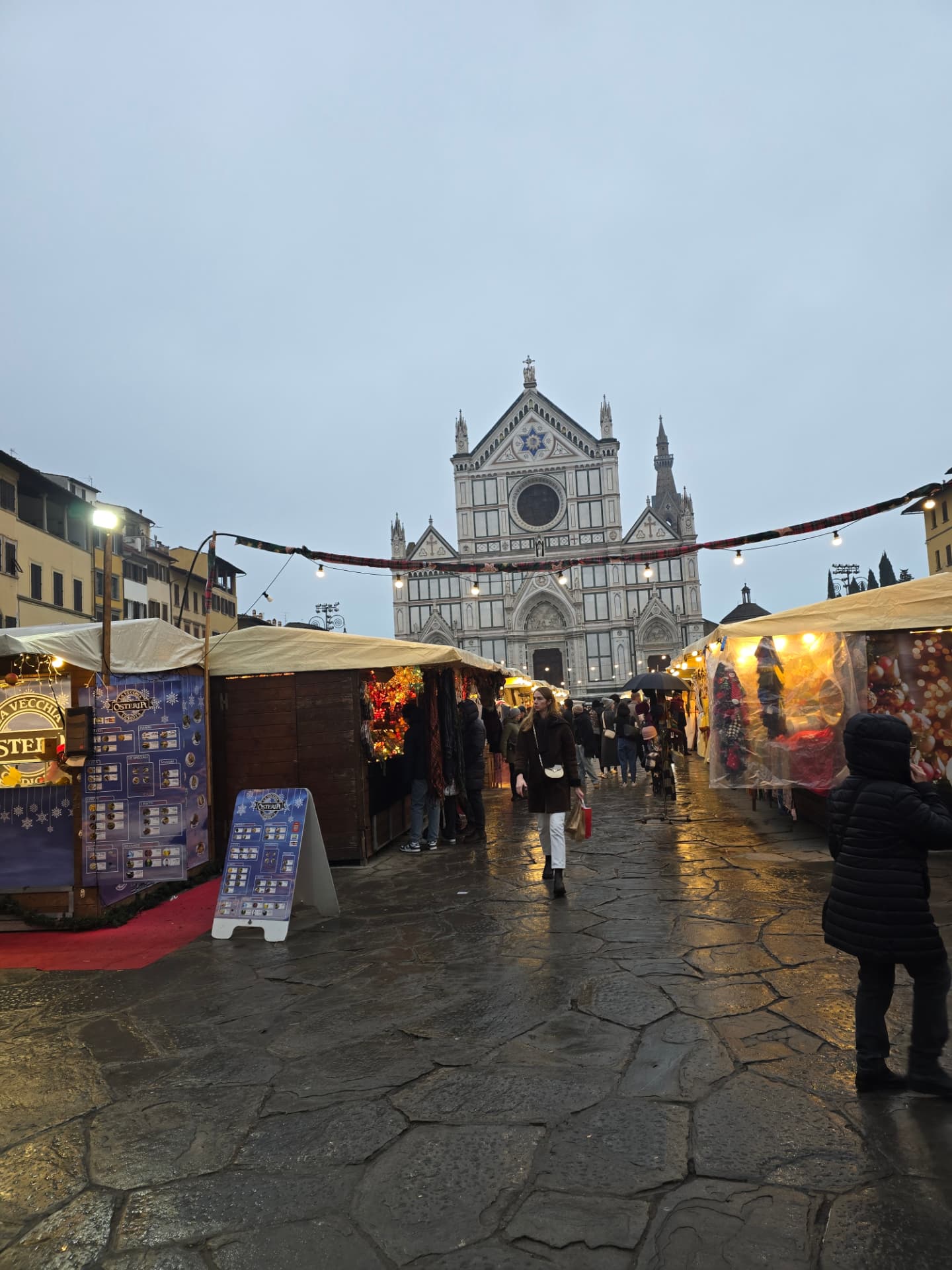
And then there was Florence.
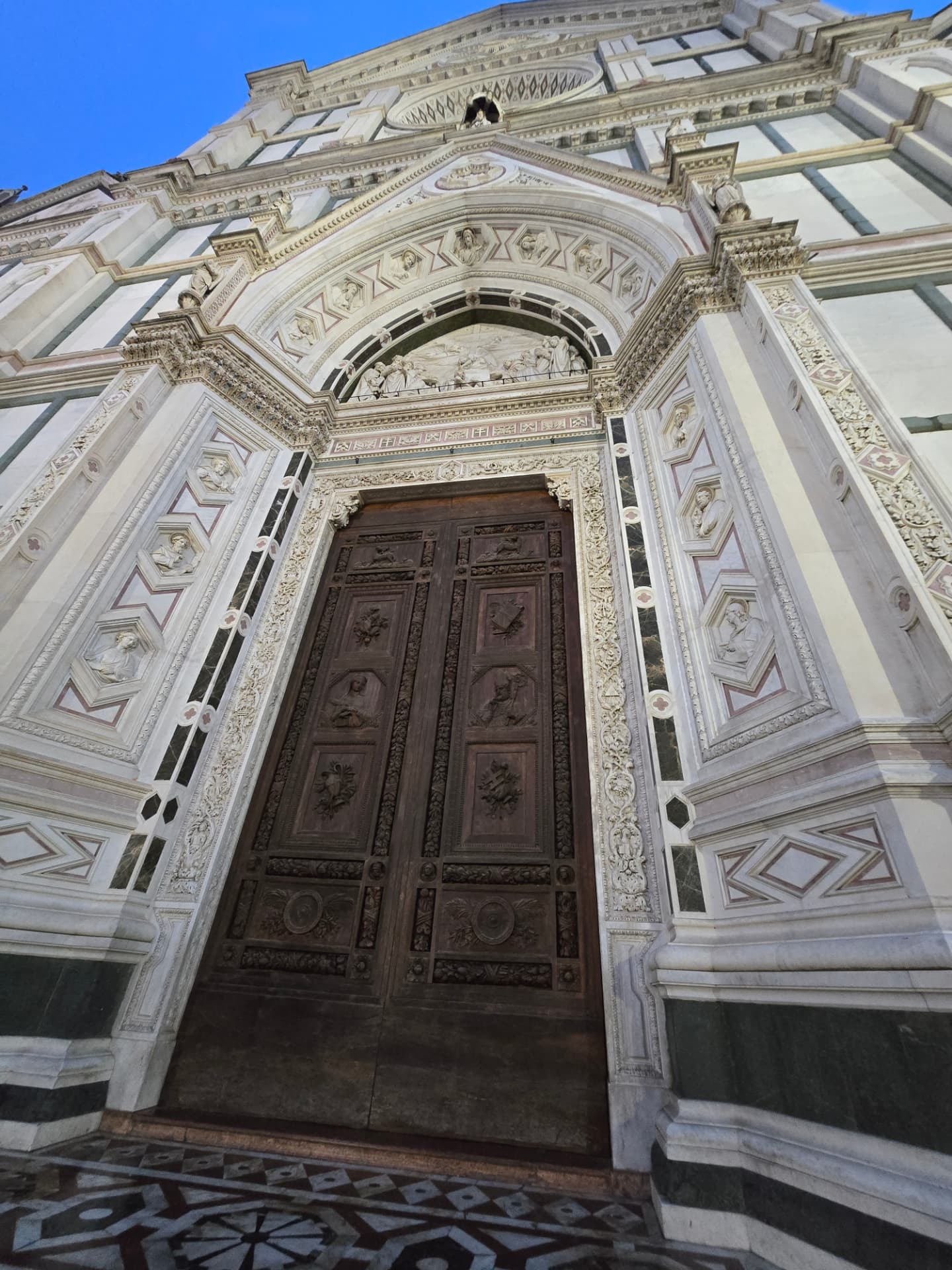
Florence is unfair.
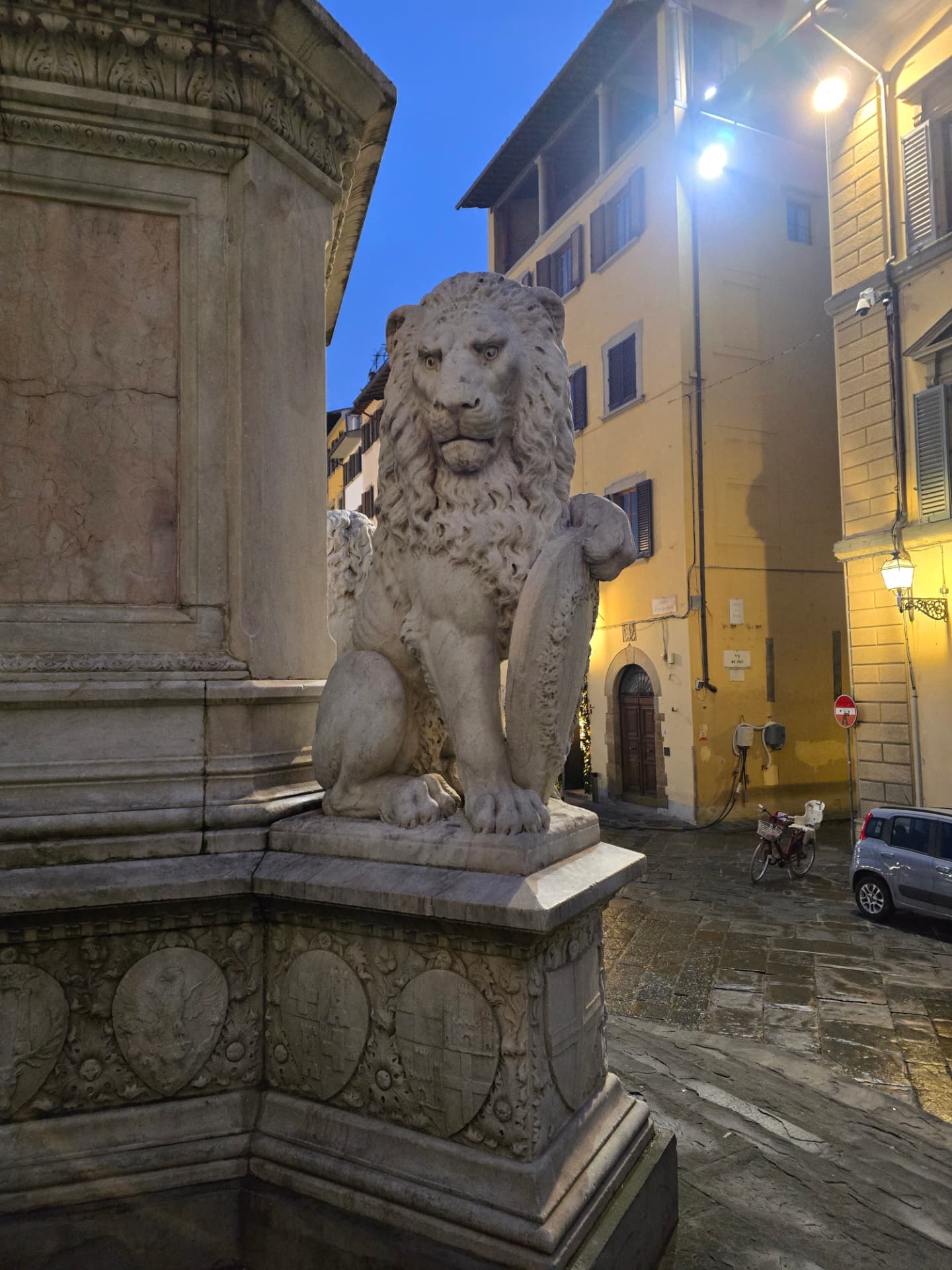
You turn a corner and there's another building that would be the architectural centerpiece of almost any other city.
Here?
Apparently that's Tuesday.
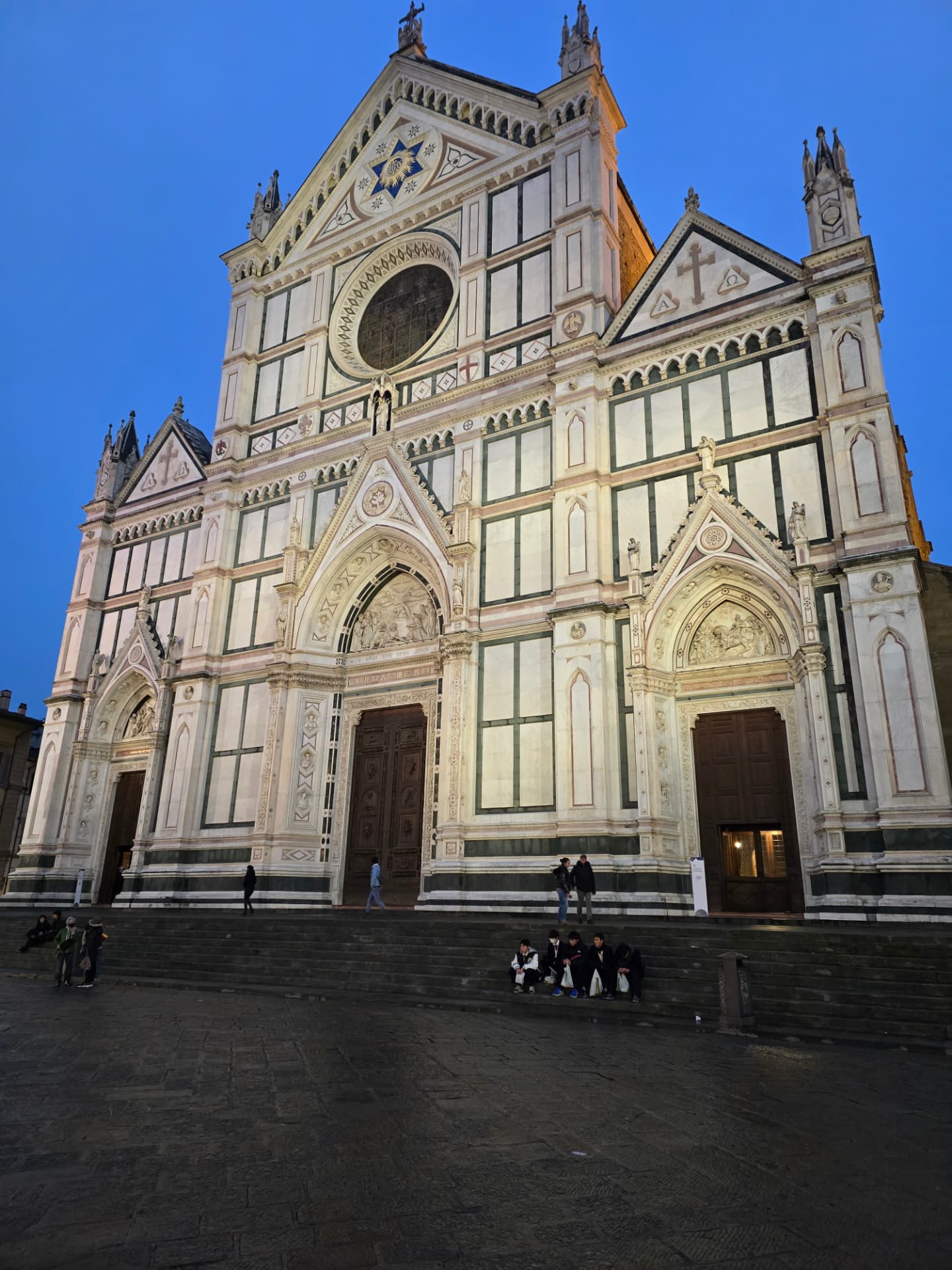
We wandered through Christmas markets there too.
More lights.
More food.
More beautiful architecture.
More streets that required stopping because there was suddenly something else I wanted to look at.
That's one of my favorite ways to explore a city.
Not necessarily because something is on a list.
Because something caught my eye.
A doorway.
A shop.
A piece of art.
A building.
A street that looks more interesting than the one I was supposed to take.
And Florence is particularly dangerous if you're inclined to wander that way.
There is always another corner.
Made in Florence
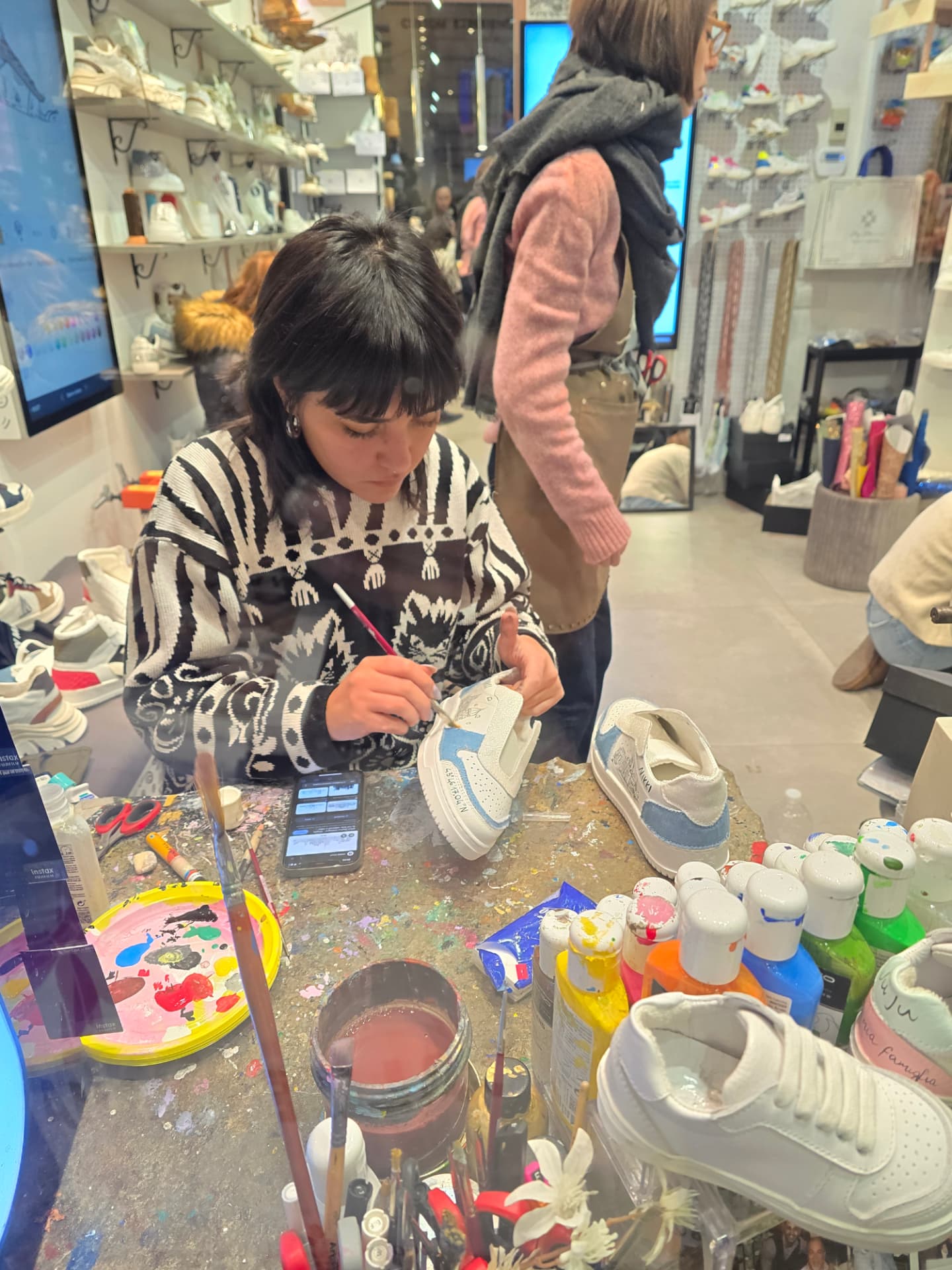
Florence also gave me one of my favorite kinds of travel experiences:
watching someone make something.
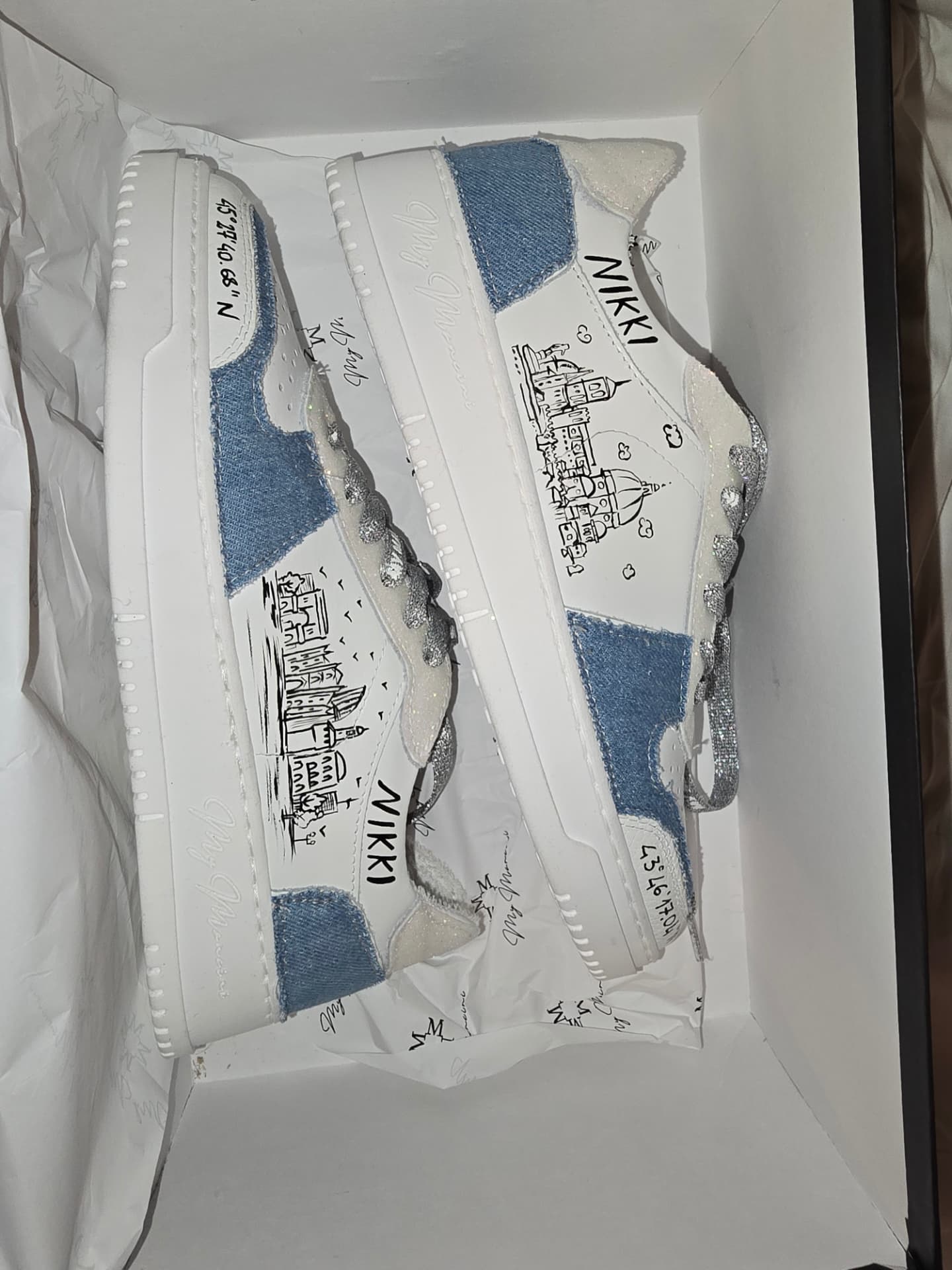
I had shoes custom made.
Not customized.
Made.
There is a difference.
Leather.
Hands.
Tools.
Decisions about shape and fit and material.
An object slowly becoming mine because somebody knew how to make it that way.
I love craftsmanship.
Especially old craftsmanship.
There is something almost defiant about watching somebody continue to make an object carefully in a world designed to manufacture ten thousand identical versions of it before lunch.
Florence understands this.
Leather.
Jewelry.
Paper.
Marble.
Food.
Things made by people who learned from people who learned from other people.
You can feel the lineage in the objects.
I came home with shoes.
But what I remember is the hands that made them.
And Obviously, We Ate
Italy does make writing about anything other than food difficult.
Because eventually every thoughtful observation becomes:
Anyway, then I ate this.
And we ate extremely well.
Pasta.
Bread.
Cheese.
Wine.
Things I ordered because I knew exactly what they were.
Things I ordered because I had absolutely no idea.
Desserts that made compelling arguments for ordering another dessert.
Coffee.
More wine.
I am suspicious of any vacation recap that doesn't include what people ate.
Food is research.
This is the position I have chosen and I will not be accepting questions.
Thirty-Seven
And somewhere in the middle of all of this, I turned 37.
I've never particularly needed birthdays to be profound.
Sometimes getting older doesn't require an inventory of everything you've accomplished and everything you haven't.
Sometimes you can just be in Italy.
Walk until your feet hurt.
Eat something wonderful.
Buy yourself shoes made by hand.
Stand on top of a cathedral.
Stay outside long after everyone sensible has gone to bed.
Wander through Christmas markets.
Look at art.
Look at graffiti.
Look up.
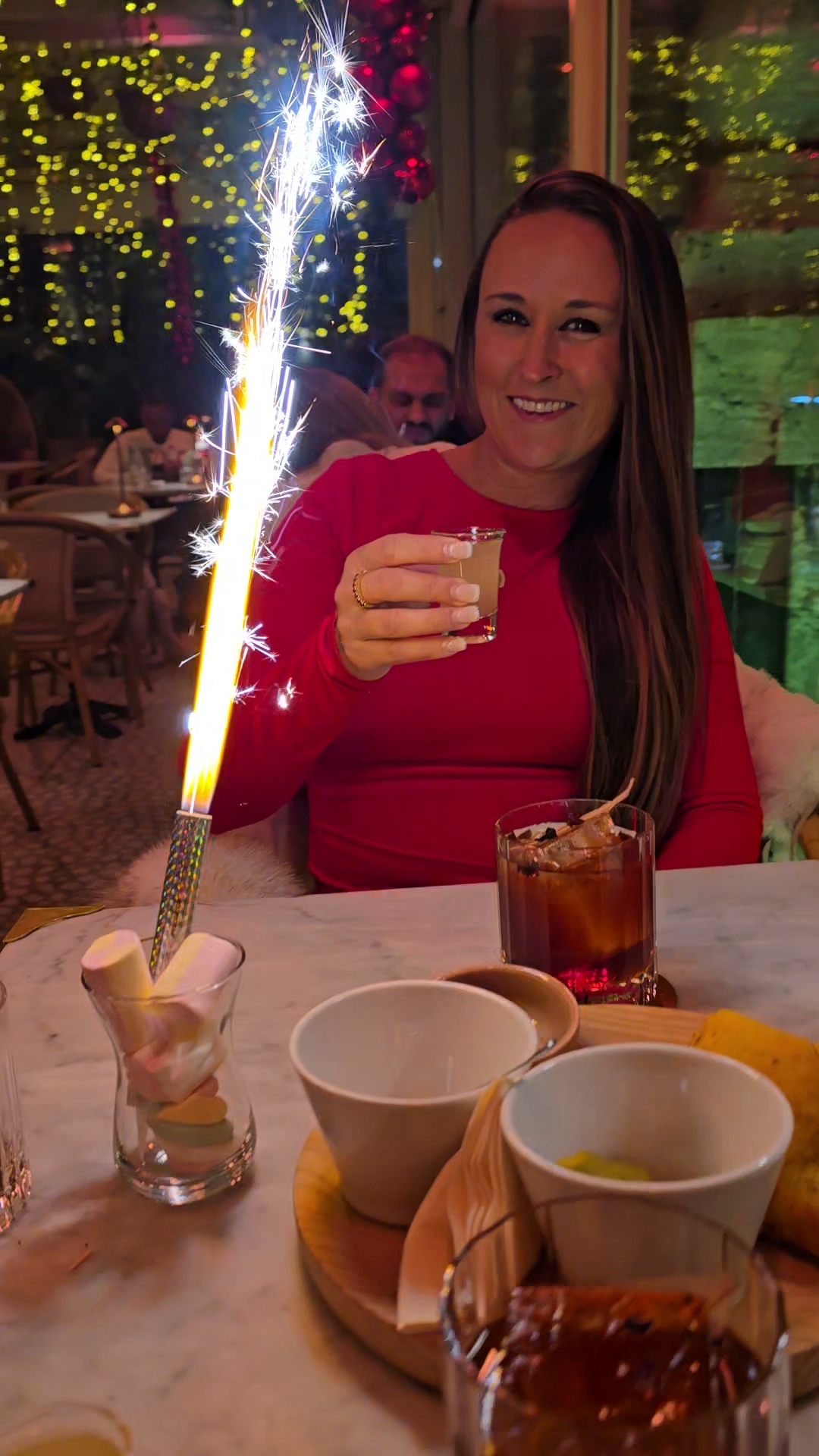
Maybe that's one of the things I like most about travel.
At home, time gets organized around obligations.
What needs to happen next?
Where do I need to be?
What haven't I finished?
Somewhere else, time gets organized around curiosity.
What's down there?
What is that?
Can we go inside?
Is that place still open?
What are they eating?
Where does this street go?
And occasionally:
How late do we have to stay out before every other person in Milan finally gets the hell out of my photograph?
The answer, for the record, is:
Very late.
But eventually they do.
And for a few minutes, you get the whole city to yourself.
At least until morning.