When the Fish Really Is That Big
Fish tales, family stories, and the perfectly reasonable decision to put your arm inside a catfish.
I learned to fish before I learned that fishing stories were supposed to be lies.
That may be why I've always liked them.
Growing up, fishing was tangled up with my grandparents, cows, ponds, cane poles, fish fries, homemade ice cream, and the kind of stories families tell so many times that eventually nobody remembers who told them first.
My daddy has called me a lot of things over the years.
Two of the enduring ones are Catfish and Scampy Rat.
Scampy Rat is a story for another day.
Catfish, though, feels increasingly appropriate.
The Big Pond
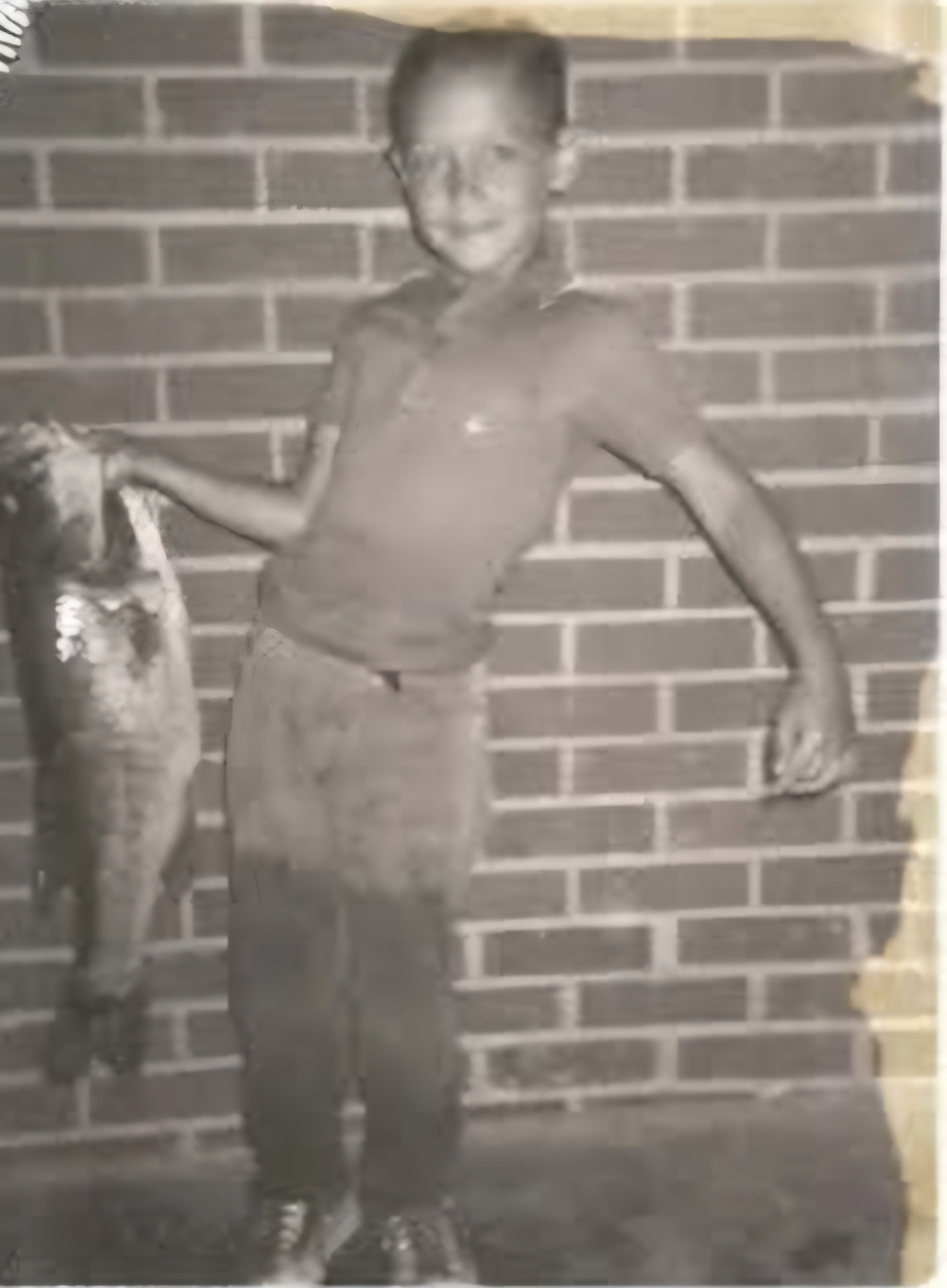
My grandfather James Henry, who I called Papa, had what we called the big pond.
I'd ride around with him feeding cows.
We'd drive through the pasture, blow the horn, and throw hay bales out.
The cows knew exactly what that horn meant.
Food.
They'd come running.
But Papa had stocked the pond too, and we'd throw feed into the water for the fish.
Eventually, they learned the horn just like the cows did.
You'd blow it and watch.
The cows would start coming across the pasture.
Then the pond would start moving.
Bubbles.
Ripples.
Fish coming up.
Everybody knew dinner was being served.
I don't remember anyone explaining conditioning to me.
I just knew Papa could blow a horn and summon cows from a pasture and fish from underneath the water.
Which, frankly, was better.
We fished that pond with cane poles.
For catfish, we'd use liver.
I'd drop my line into the water and wait.
Then something would take it.
Fish on.
Run.
Because when you're little and the catfish on the other end of the line is enormous, finesse is overrated.
I'd turn around and run up the bank, pulling the fish out of the pond behind me.
No sophisticated technique.
No elegant wrist action.
Just:
FISH ON. RUN.
And it worked.
Fish Fries at Papa's
Eventually those fish became dinner.
A fish fry is one of those things that can technically be described as a meal, but that doesn't quite explain it.
Papa made hush puppies.
Granny made slaw and everything else that appeared around the fish.
There would be homemade ice cream.
People talked.
People ate.
Someone inevitably told a story.
Someone else corrected the story.
The first person ignored the correction and continued telling it exactly the way they intended.
That's probably where I learned storytelling too.
Not from books.
Not entirely, anyway.
From tables.
From porches.
From people cooking something they caught themselves and telling you what happened while they were catching it.
The fish tale gets a little bigger every time the story is told.
The details change.
The important parts stay true.
My First Fish Is Still With Me
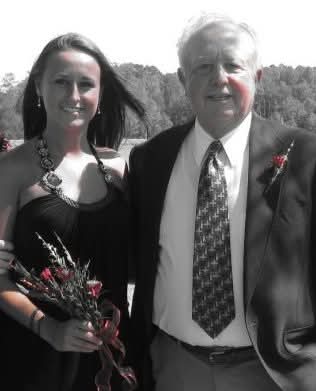
My other grandmother, Grandma Reba, loved to fish.
So did my Granddaddy Fred.
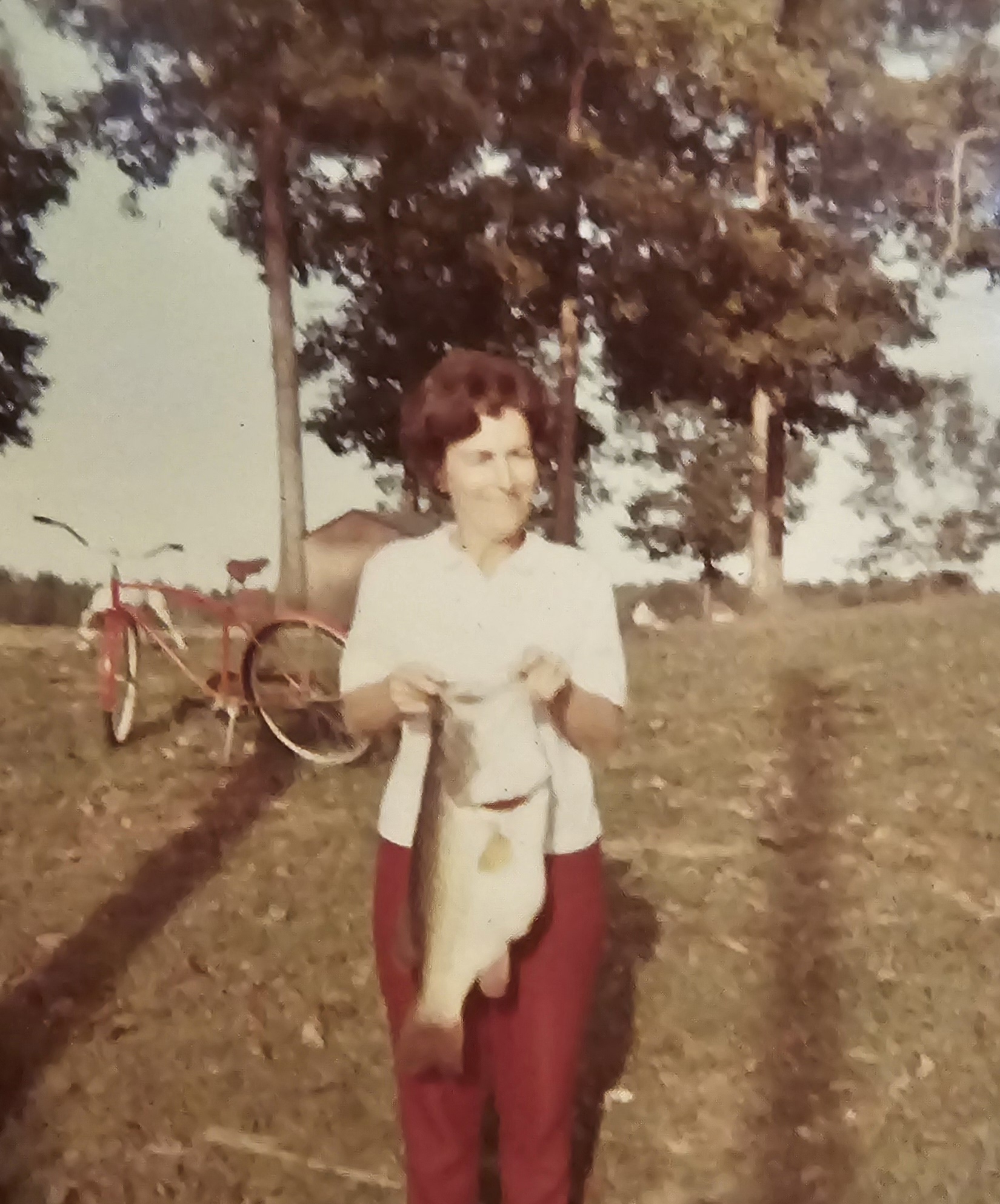
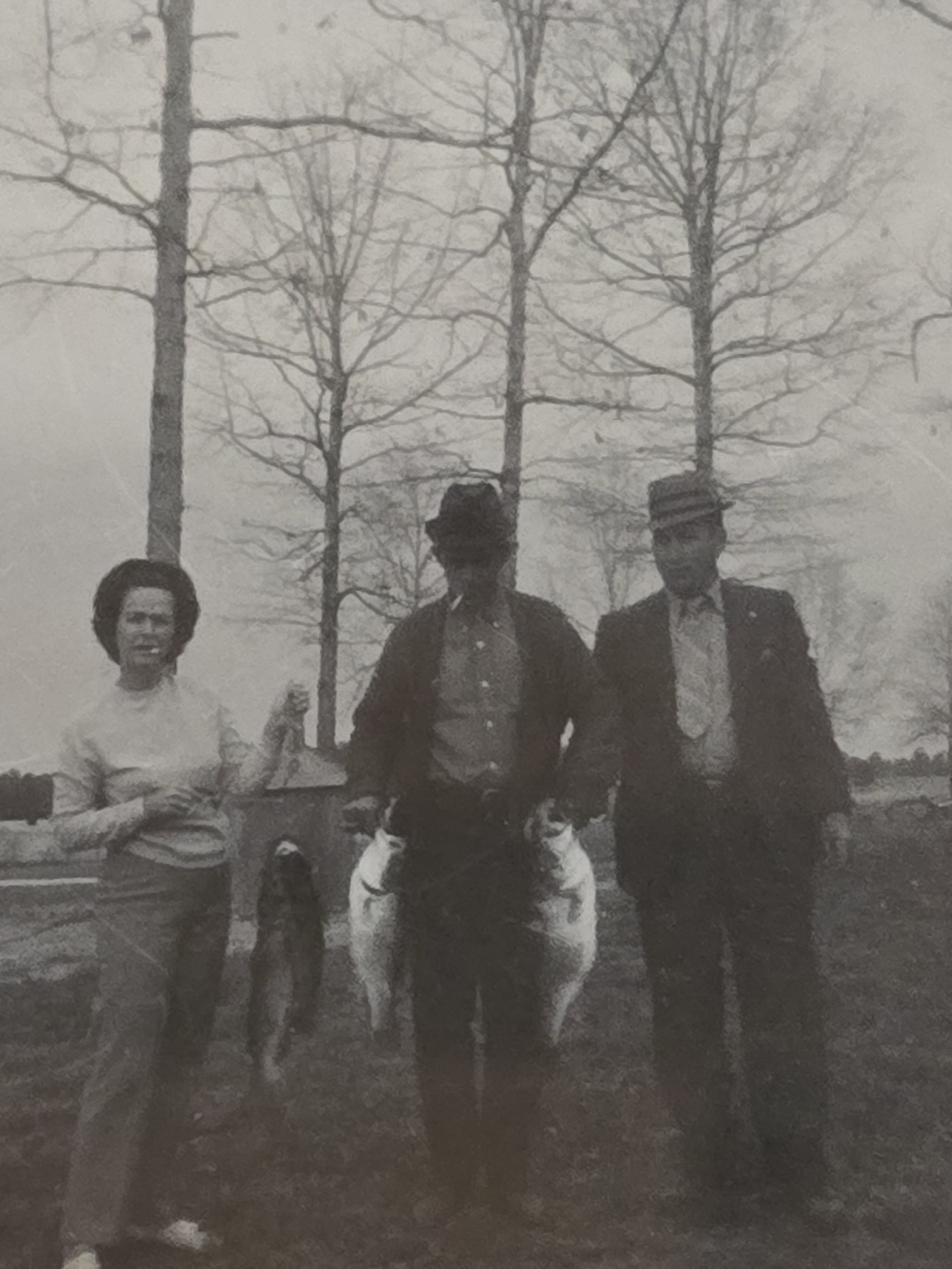
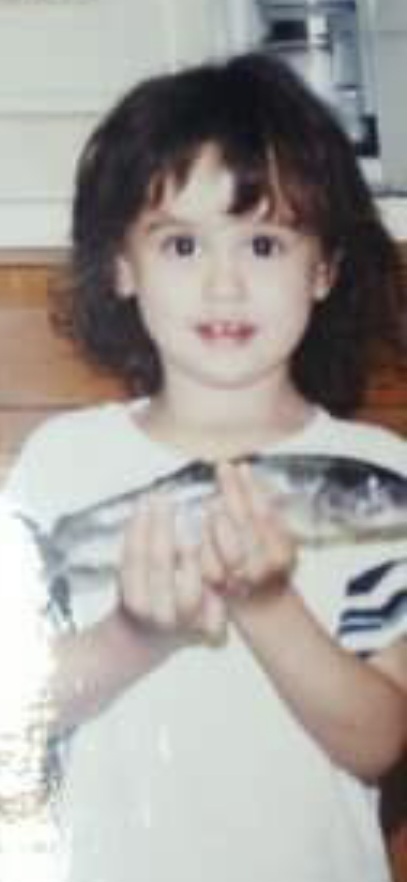
And I caught my first fish with Grandma Reba when I was three years old.
She was so proud of it that she put it in the freezer.
And then she kept it.
Not for a few months.
Not until everyone had adequately admired my three-year-old fishing abilities.
For decades.
Grandma Reba lived to be ninety-three. I was around thirty-five when she died, which means that little fish spent more than thirty years in her freezer.
That is commitment to a grandchild's first catch.
Most grandmothers keep a photograph.
Grandma Reba kept the fish.
And now I still have it.
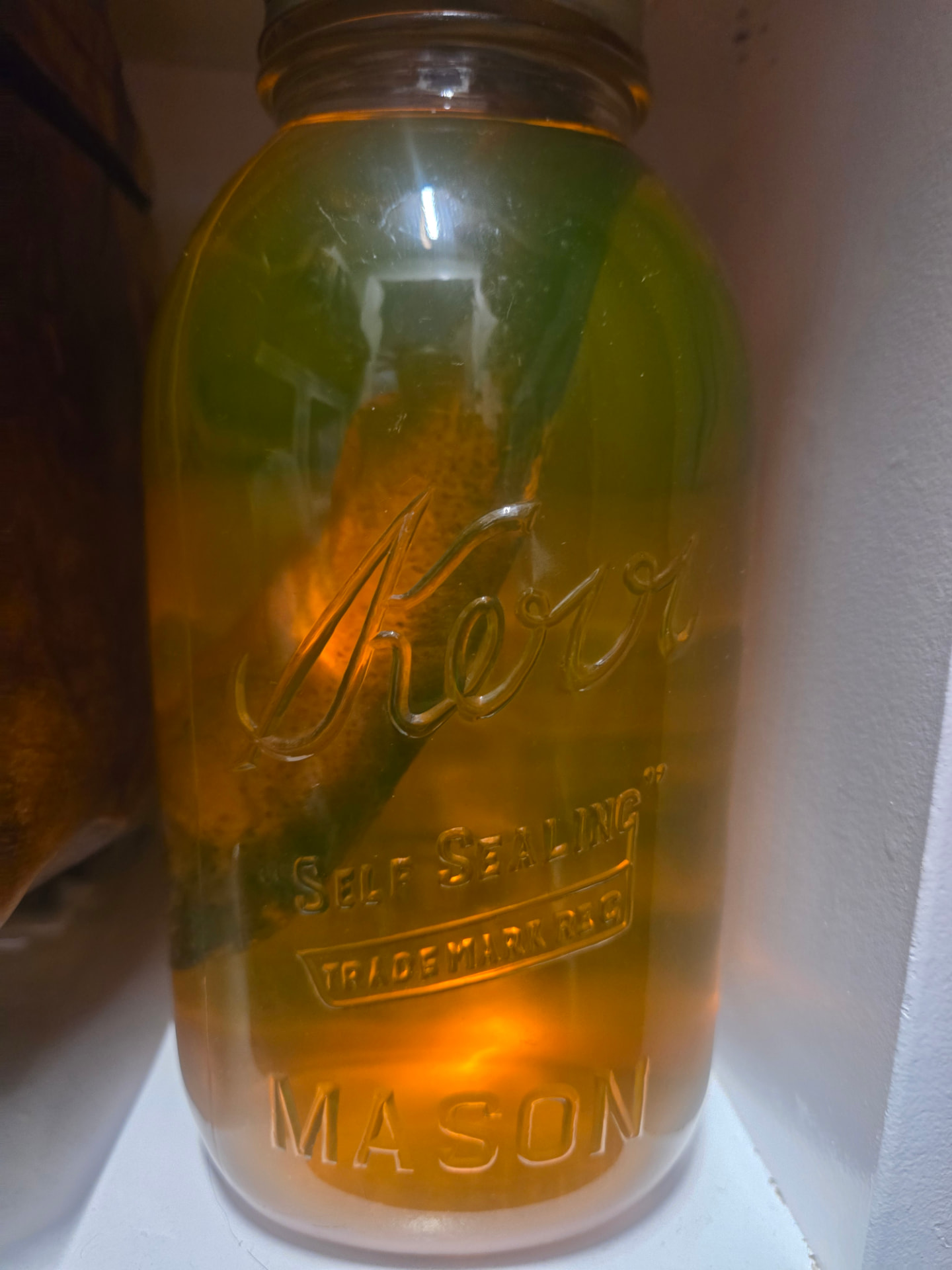
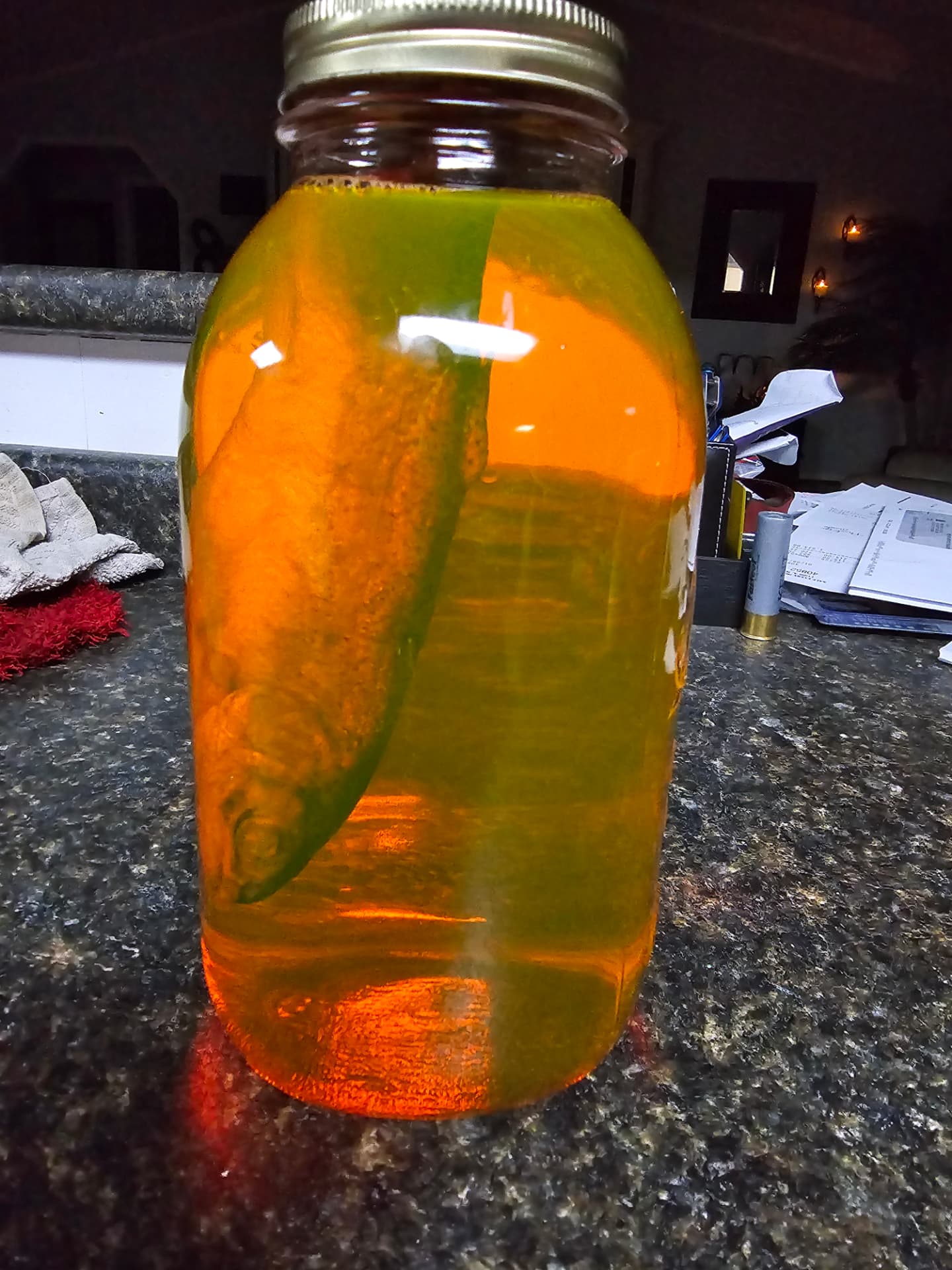
After she died, I put my first fish into one of her Mason jars and preserved it in formaldehyde.
So sitting in my house today is the actual first fish I caught at three years old, inside a jar that belonged to the grandmother who thought it was important enough to save for the rest of her life.
I don't know what possessed Grandma Reba to keep a tiny dead fish in her freezer for more than thirty years.
I'm really glad she did.
Because now I have the fish she saved and one of her Mason jars holding it.
It's weird.
It's also one of my favorite things I own.
Then the Water Got Bigger
Fishing changed as I got older.
The cane pole became other rods.
The pond became the ocean.
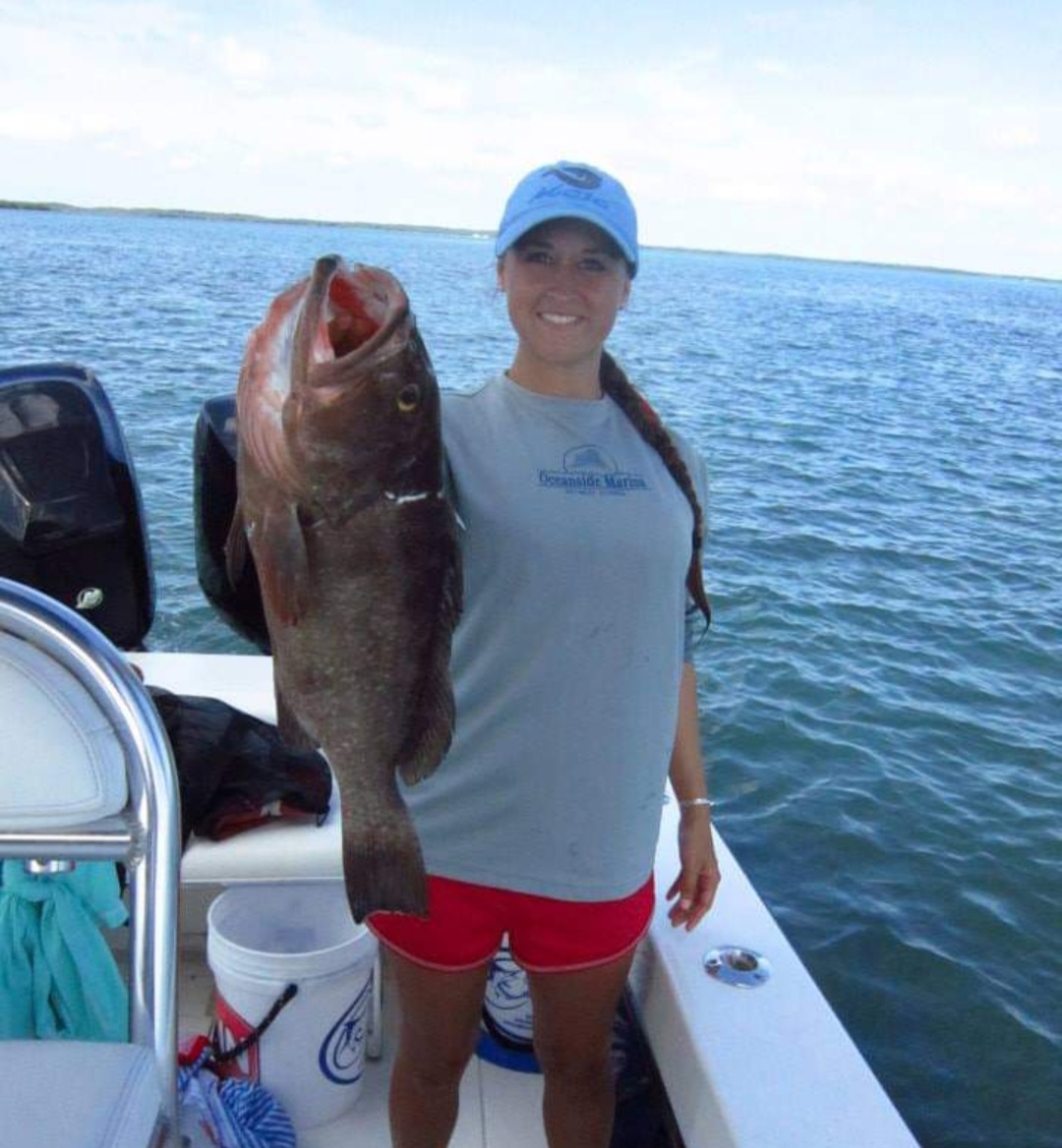
I've gone deep-sea fishing.
I've gone spearfishing.
I've gone diving for lobsters.
I love the waiting part of fishing, but I also love the hunt. Reading water. Watching movement. Learning where something might be hiding.
And I love what happens to people when they're fishing.
Hours can pass without anybody needing to accomplish anything except being there.
You talk.
Or you don't.
Somebody tells a story you've heard seventeen times.
You listen anyway.
You Never Know What's Coming Up
This may be one of my favorite things about fishing.
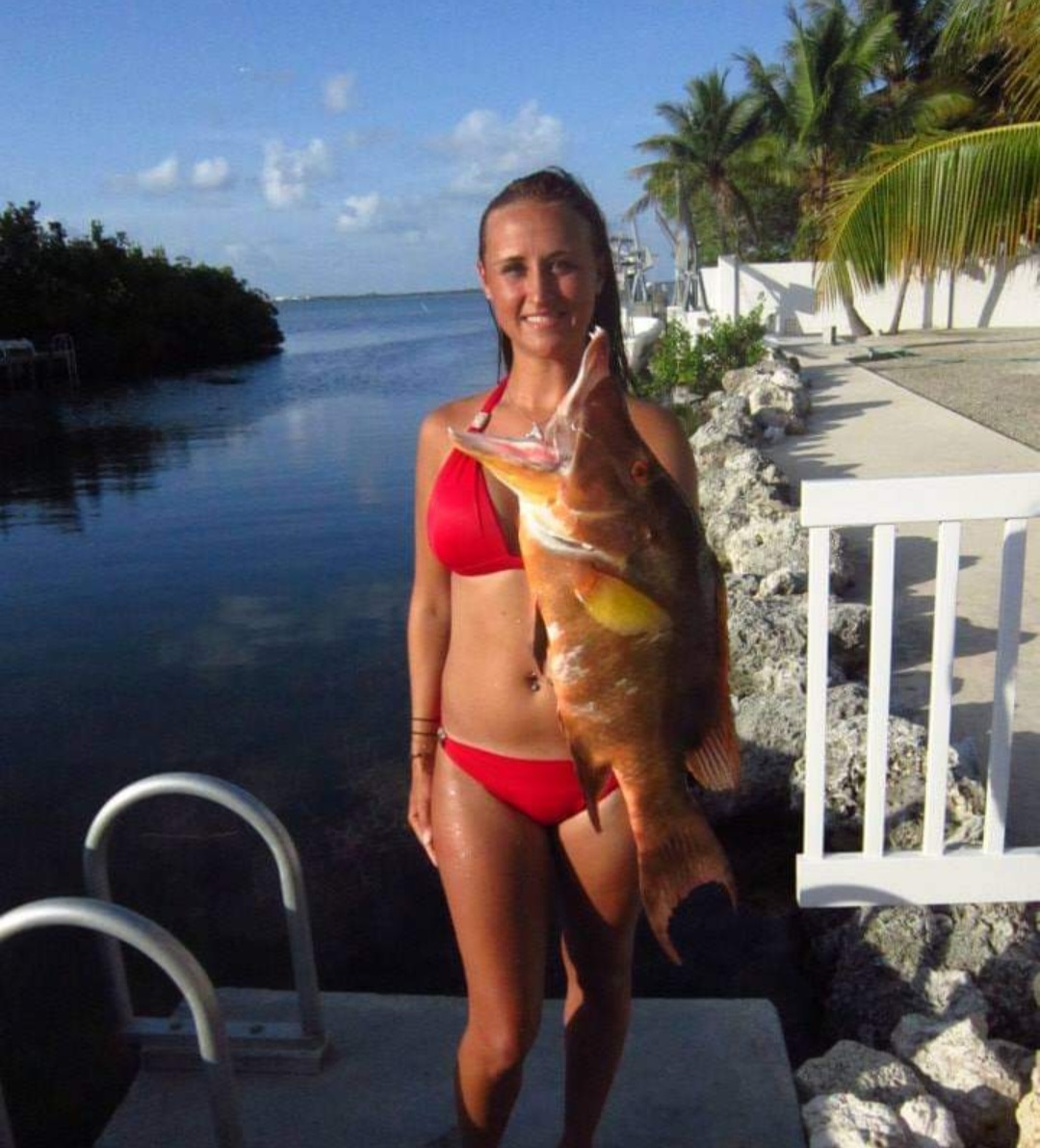
You don't always know what you're going to pull up.
In freshwater, sure, you can make a pretty educated guess. You know the water, you know the bait, and you know what you're fishing for.
But the ocean?
The ocean can hand you almost anything.
You feel something take the bait.
The line goes tight.
Fish on.
And for a little while, all you know is that something is down there.
I love that.
Maybe that's why I've kept finding new ways to fish.
Deep-sea fishing. Spearfishing. Diving for lobster.
Different water. Different ways of finding out what's underneath it.
You don't know exactly what is going to come out of the water until it does.
And Then I Started Using My Arm
Somehow, after growing up catching catfish from the bank of Papa's big pond, I found my way back to them.
Except now I don't use a cane pole.
I use my arm.
Daddy may have been onto something with the nickname.
My brother Slayter and I started noodling.
It is now one of my favorite things to do.
For anyone unfamiliar with noodling, allow me to explain this perfectly sensible recreational activity.
First, you find the hole.
Or you already know where one is.
Then you get in the water.
Go under.
And stick your arm inside.
That's it.
That's the plan.
You hold your breath and reach into a dark hole in the mud where you know a giant catfish is lurking somewhere in the shadows.
And then she meets you.
Hard.
A big catfish protecting her nest doesn't politely investigate your hand.
She comes at the opening like a pit bull.
You want that.
You need her to get your arm into her mouth.
Then you grab on, get your other hand into the hole, get control around the gills, and start pulling.
All while holding your breath.
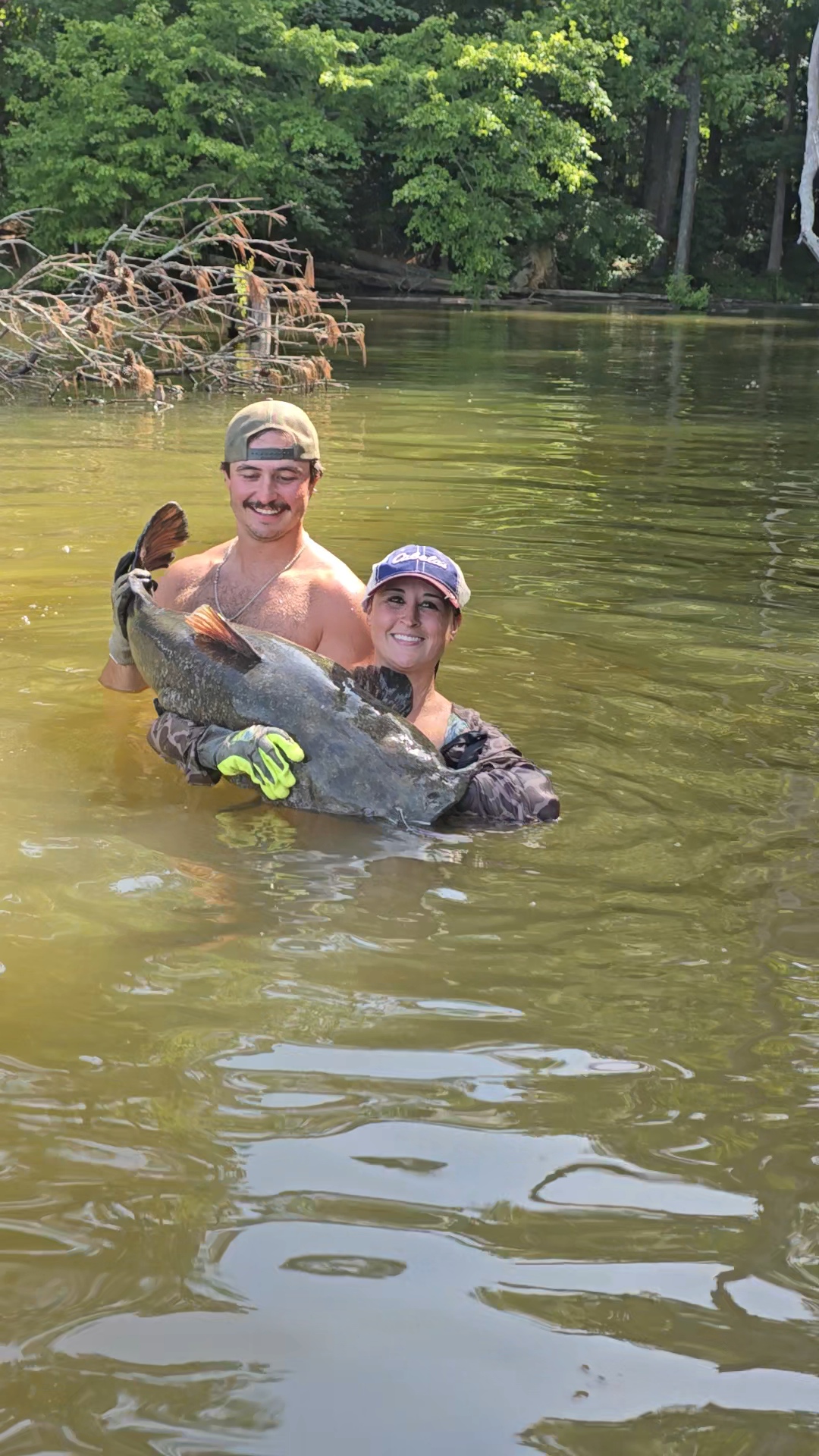
Eventually, if everything goes according to plan, you come back above water with a catfish that may be almost as big as you are.
Air becomes increasingly relevant.
And then you bring this enormous thing that was lurking down there in the mud and shadows...
into the light.
The Fish Tale Gets Bigger Every Time You Tell It
That's part of fishing.
The fish tale gets a little bigger every time the story is told.
The fish grows.
The fight gets longer.
The line gets closer to breaking.
The one that got away becomes increasingly prehistoric.
But sometimes you don't have to exaggerate.
That's one of the great things about noodling.
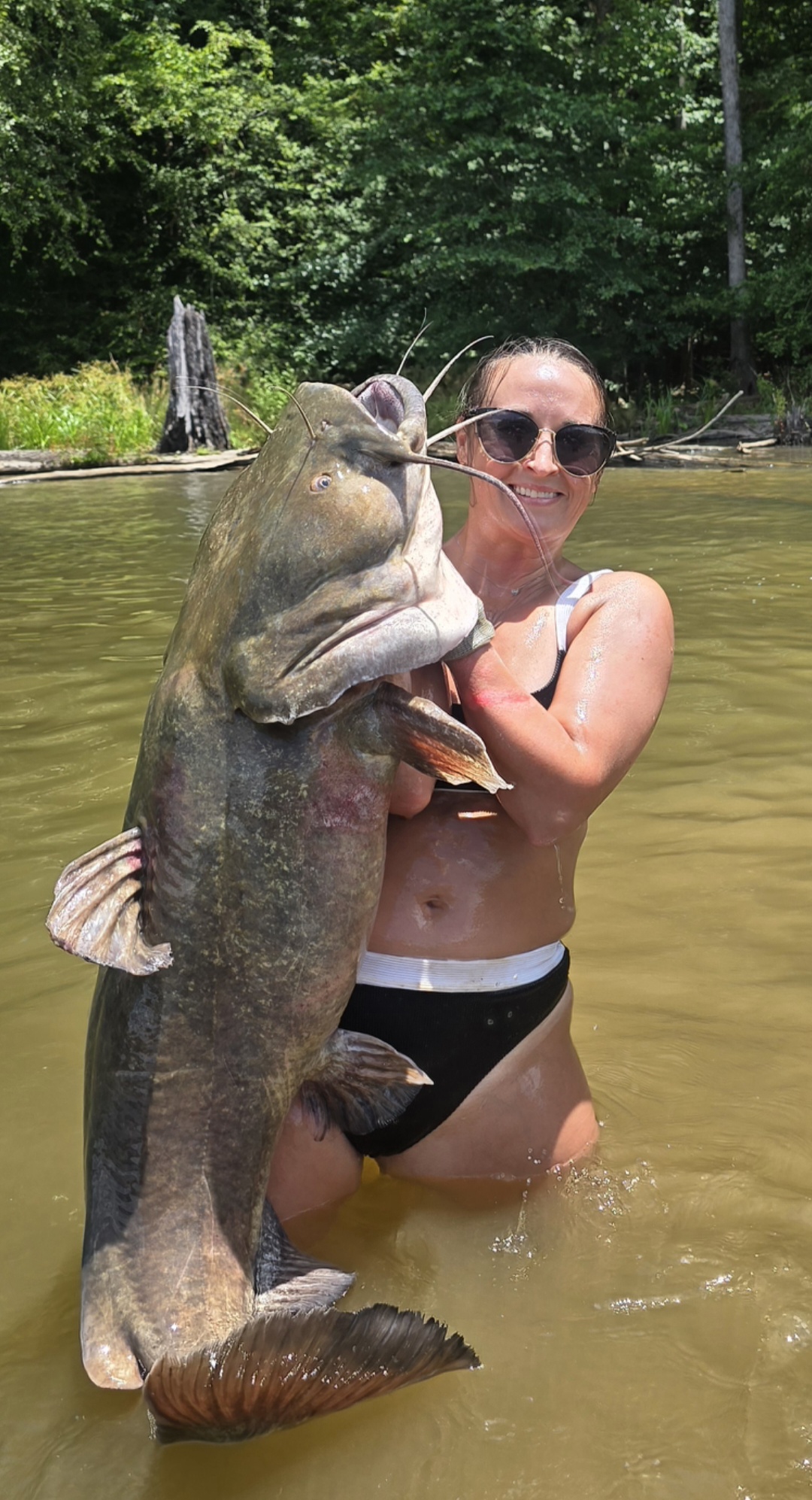
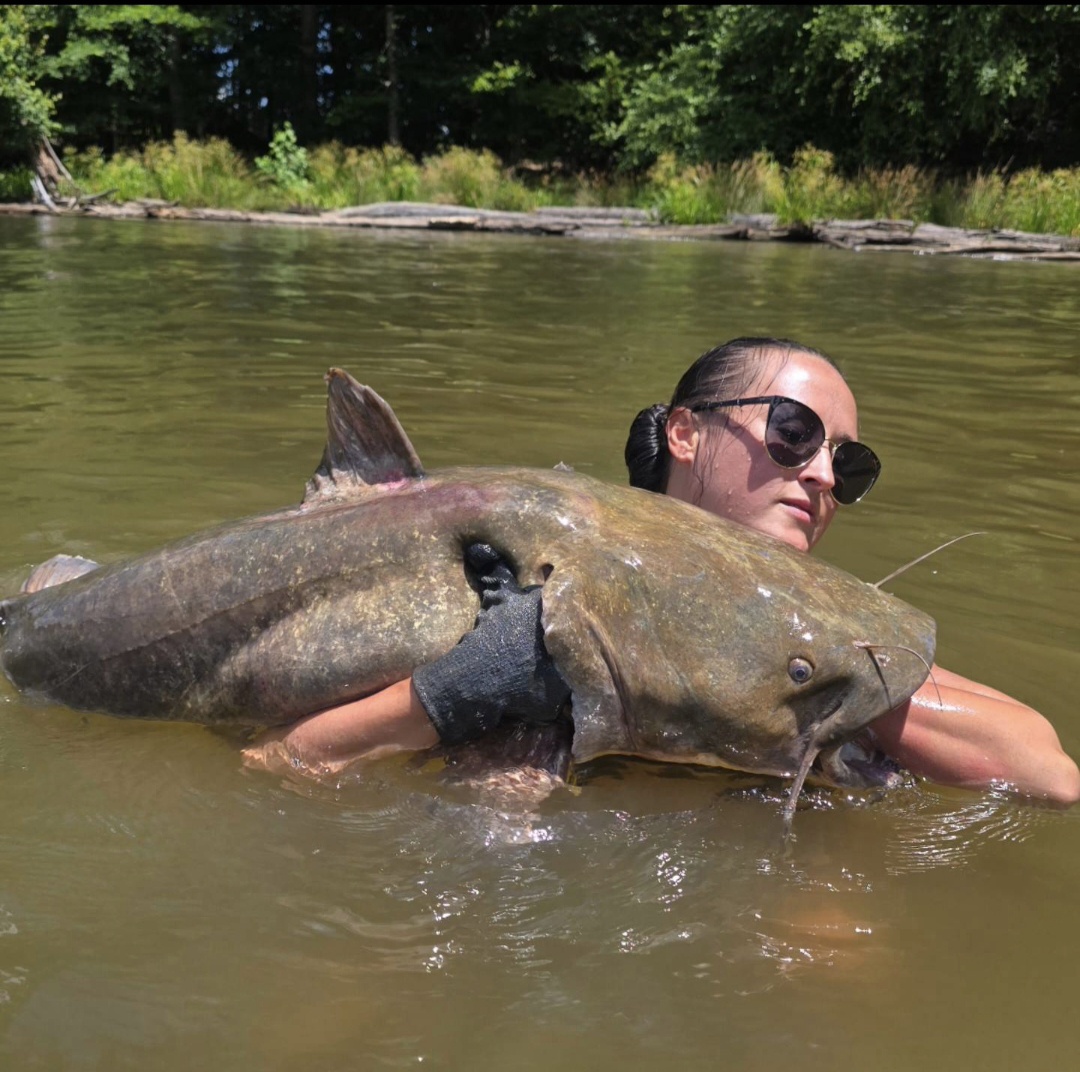
You come out of the water holding the evidence.
No, really. The fish was this big.
And some of those giant catfish are old.
I'm thirty-eight. When I'm holding one that's nearly as big as I am, I can't help wondering how long she's been down there.
So most of the really big ones go back.
We take some pictures, admire the absolute prehistoric unit we've just dragged out of the mud, and put her back.
She's been down there longer than we've been bothering her.
She earned it.
Some of the smaller ones come home.
Those get fried.
Some traditions don't need improving.
The Scars Are Worth It
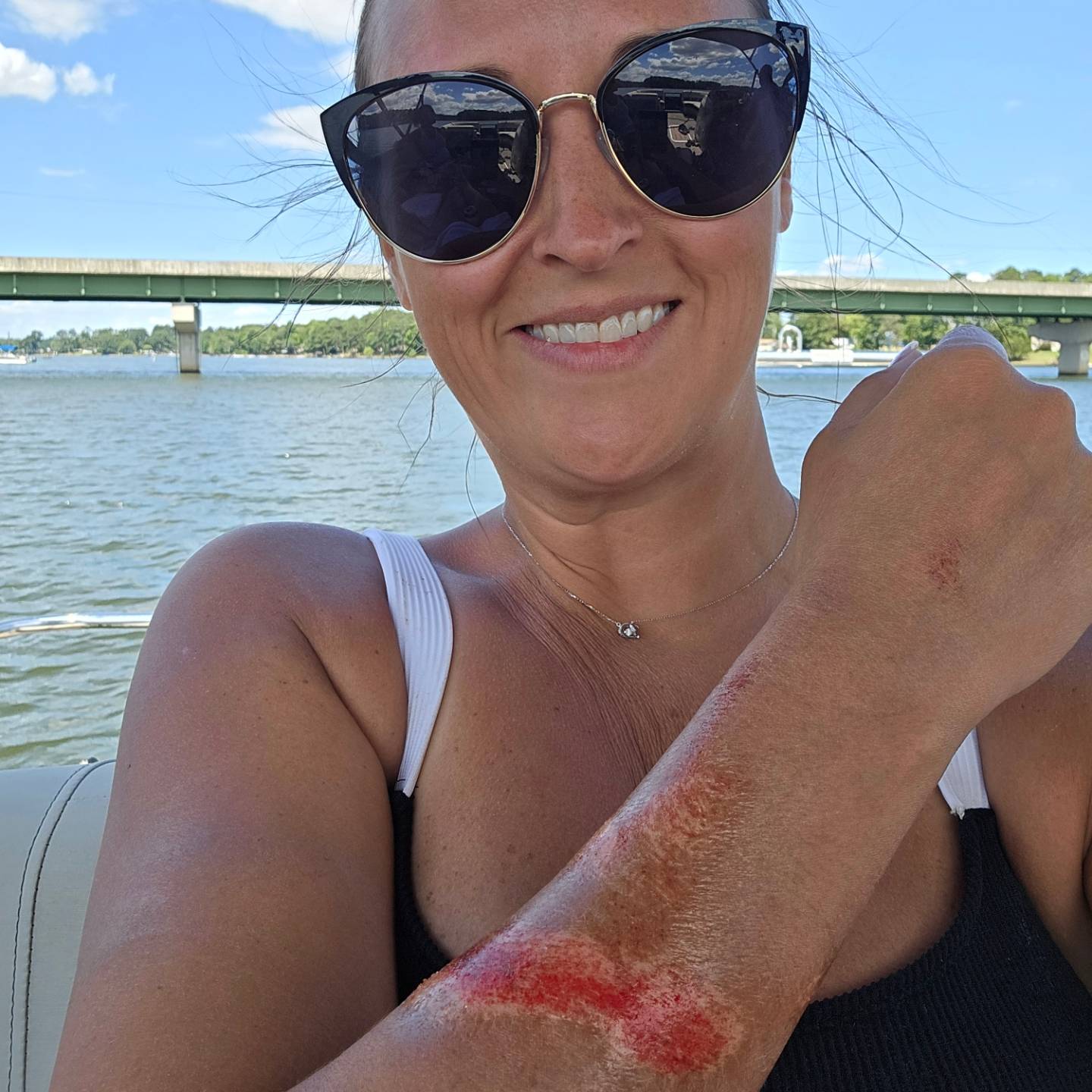
My left arm carries plenty of scratches and scars from noodling.
Catfish aren't particularly concerned with leaving you camera-ready.
I don't mind them.
They're little receipts from some very good days.
And every one has a story attached to it.
I suppose that's another thing fishing has taught me. The best stories aren't necessarily the clean ones.
They're the ones where something actually happened.
You came home dirty or scratched or sunburned or laughing.
Someone was there with you.
And years later somebody says, “Remember when?”
Everybody already knows what's coming.
Fishing Is Mostly About People
For all the different kinds of fishing I've done, I don't think the fish have ever really been the whole point.
They're important.
Obviously.
It would be a strange fishing trip otherwise.
But when I think about fishing, I think about people.
I think about Papa blowing the horn and cows coming across the pasture while the surface of the big pond started bubbling.
I think about hearing “fish on” and running up the bank with a cane-pole line in my hand and a catfish coming behind me.
Papa's hush puppies.
Granny's slaw.
Homemade ice cream.
Grandma Reba deciding my first fish was important enough to keep frozen for more than thirty years.
Granddaddy Fred.
And now my brother Slayter, somewhere in the water with me while I voluntarily stick my arm into a hole containing an enormous catfish.
Different water.
Same thing.
Time with people I love.
Maybe That's Where the Stories Started
I write stories now, and sometimes I wonder where that instinct actually came from.
There probably isn't one answer.
But I know some of it came from growing up around people who told stories.
And fishing is made for storytellers.
You have long stretches where nothing happens, so you talk.
Then suddenly something happens very quickly.
Afterward, you tell everybody about it.
And every time you tell it, the fish may get just a little bigger.
I think fishing and writing scratch some of the same itch for me.
You know something is down there before you know what it is.
You feel the tug. Something moves beneath the surface.
Maybe you've got a pretty good idea what you're dealing with.
Maybe, especially in the ocean, you have absolutely no idea what's about to come up.
Then you start pulling.
I write like that too.
Sometimes I know what I'm looking for.
Sometimes I just know there's something there.
And if I'm lucky, eventually I get to bring it into the light.
That's not a bad education for a writer.
Back to the Water
Noodling may be my favorite now.
There's really no competing with the experience of being underwater, holding your breath, reaching into darkness, and having an enormous catfish charge your hand.
But I still love all of it.
A cane pole at a pond.
A rod off a boat.
Deep water.
Shallow water.
Spearfishing.
Diving for lobsters.
Catfish.
The waiting and the catching.
The eating and the releasing.
Mostly, the people.
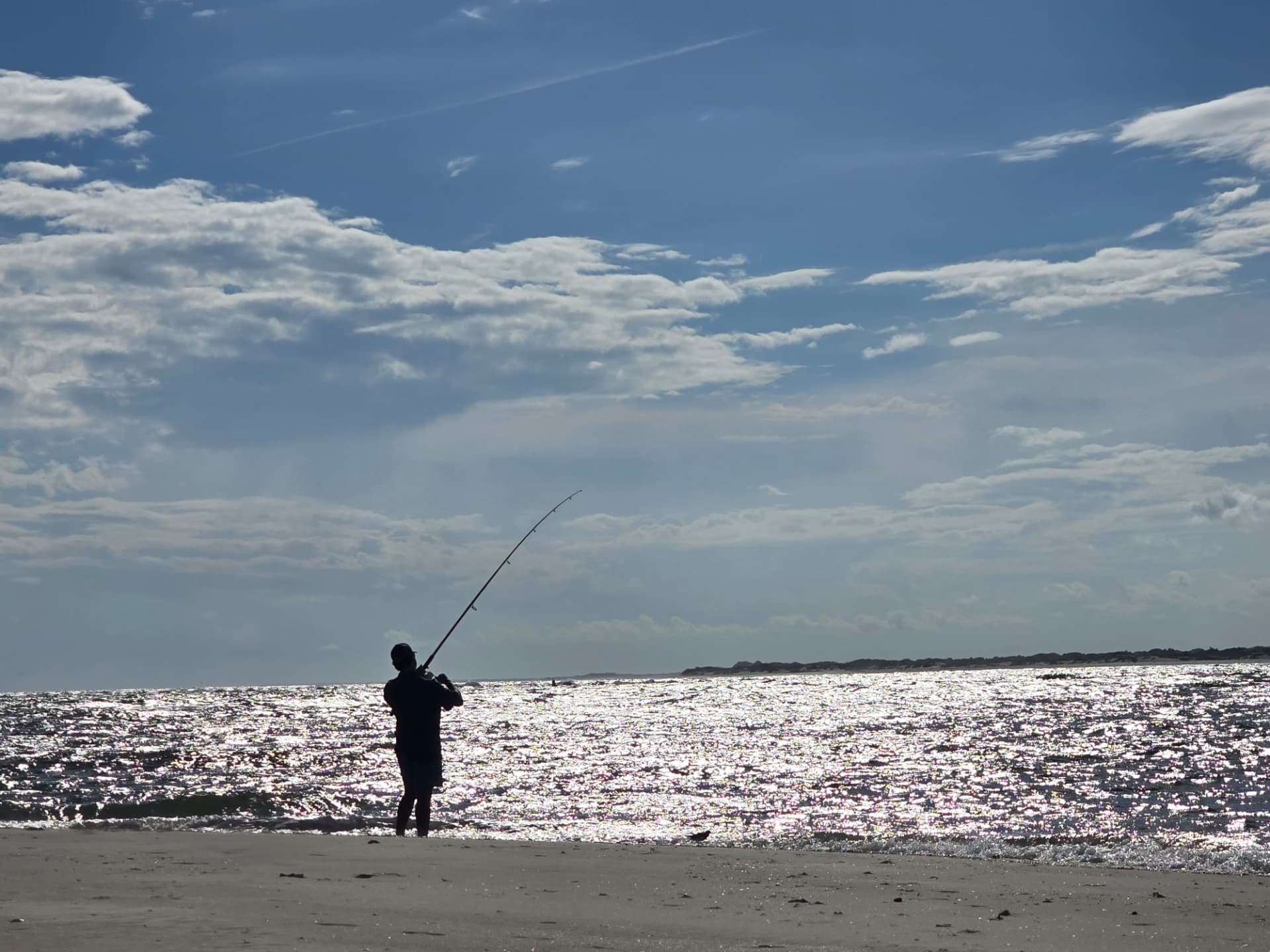
And I'm looking forward to getting Slayter out fishing with me around Emerald Isle soon.
Different water again.
We don't know what we'll pull up.
That's the point.
Whatever it is, we'll probably take a picture.
We'll definitely tell the story.
And every time we tell it, the fish may get just a little bigger.
That's fishing.
That's storytelling.
And apparently Daddy was right.
I've always been Catfish.