What I Learned Carrying Other People
Notes on service, flying, and the things I carried with me.
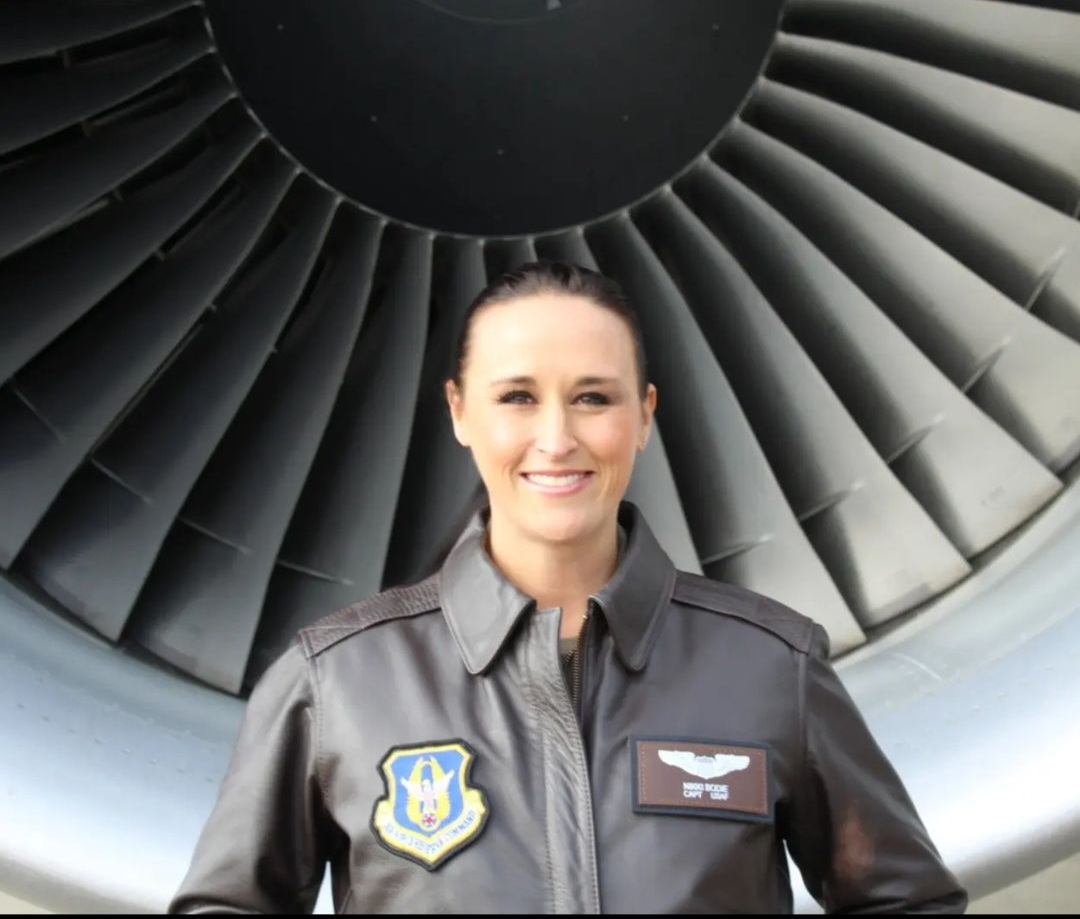
I joined the military in 2015.
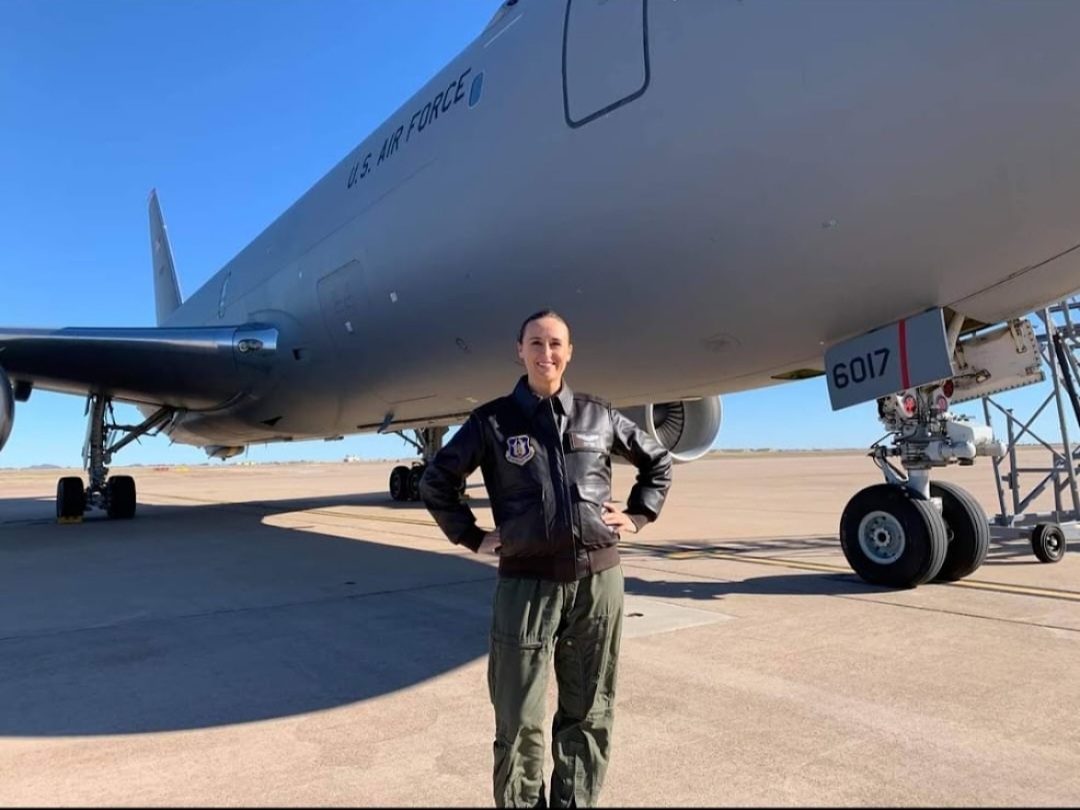
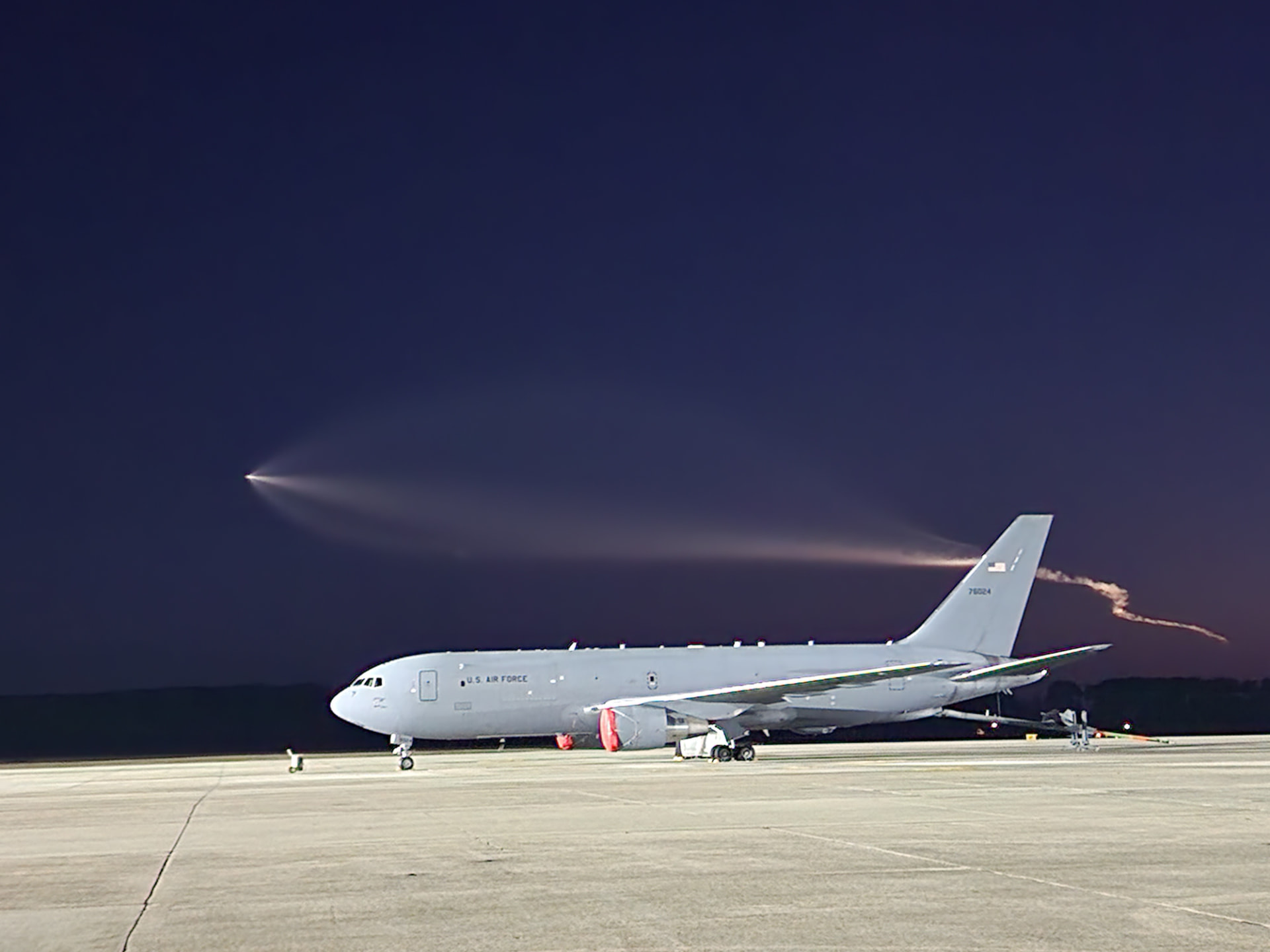
I became a tanker pilot, first flying the KC-135 and later the KC-46.
And somewhere in all those hours of training, checkrides, deployments, missions, mistakes, successes, uniforms, and miles, I learned a lot about myself.
As a pilot.
As an American.
As a person.
I joined with rose-colored goggles on.
I believed deeply in service. In country. In doing something bigger than myself.
I thought I knew what my gift was too.
Aviation.
I could fly.
I loved airplanes.
Flying had already opened doors in my life, and now it was taking me around the world.
I thought God had given me this gift, and my responsibility was to figure out how to give it back.
It would take me years to realize I had the gift wrong.
Some of the Things I Got to Carry
Military service took me around the world.
But some of the things I remember most aren't necessarily the missions you'd expect.
I remember standing in front of around a thousand children in another country and talking to them about education and the opportunities that might be available to them.
I remember helping people figure out how to join the military, become pilots in different branches, find scholarships, and eventually transition from military service into civilian careers.
I created a free e-course for young people because I didn't want someone's ability to find an opportunity to depend on whether they could afford to pay me to tell them where it was.
I wanted to be the mentor I had always wanted.
If I knew where a door was, I wanted to show somebody else how to find it.
The Women Who Flew Before Me
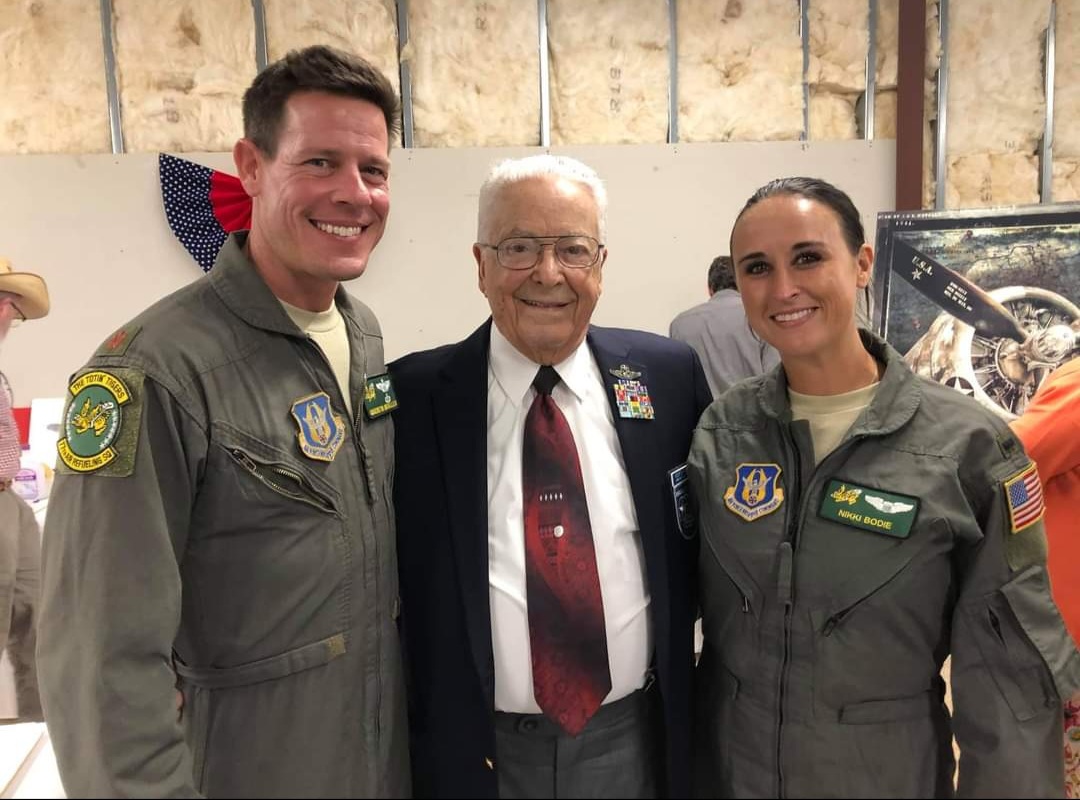
For several years, I had the privilege of escorting members of the Women Airforce Service Pilots at their annual reunion in Sweetwater, Texas.
The WASP.
Women who flew military aircraft during World War II, when women flying military airplanes was itself an argument.
I got to listen to them.
Walk beside them.
Laugh with them.
Learn from them.
And eventually, I got to help say goodbye to one of them.
I helped carry the ashes of a WASP on her final flight.
We returned her to Avenger Field, where so many of those women had trained, and her ashes were scattered over the runway.
I've flown a lot of airplanes.
That flight meant something different.
There are moments when history stops being something you read and becomes something you're physically carrying.
That was one of them.
Love Can Build a Bridge
Long before any of this, there was Loren.
When I was around eight years old, my cousin Loren had leukemia.
She was around six.
I remember her feeding tube.
The cancer treatments.
And I remember how badly she wanted another birthday.
She wanted to grow older.
That's such an ordinary thing to want until you know a child who isn't sure she'll get to.
Loren didn't.
She died around six years old, and her grandmother died unexpectedly at nearly the same time.
It was my first real experience with death.
With grief.
With understanding that loving someone doesn't guarantee you get to keep them.
Loren's favorite song was Love Can Build a Bridge by the Judds.
That song stayed with me.
Years later, I found myself volunteering with Wings of Hope in St. Louis.
Airplanes again.
Except these airplanes were being used to connect people with medical care and resources.
Children.
Veterans.
Families who needed help getting somewhere they couldn't easily reach otherwise.
I eventually served on the board of directors and became involved with planning for some of the organization's global programs.
That work was incredibly rewarding.
And for me, it was personal.
I knew what it was like to be a child watching another child go through cancer treatment.
I remembered Loren wanting another birthday.
So helping use aviation to reach children and families dealing with illness meant something to me that I probably couldn't have explained on a résumé.
The Gift Wasn't the Airplane
For a long time, I thought aviation was God's gift to me.
I could fly.
I loved airplanes.
Flying had taken me around the world and given me opportunities I never could have imagined as a little girl.
So I thought that was the gift.
And if God had given me something extraordinary, I believed I had an obligation to give it back somehow.
Use aviation to serve.
Use airplanes to help people.
Use what I'd been given for something larger than myself.
But somewhere in the middle of all that service, I realized I had it backward.
Aviation wasn't the gift.
The gift was my love and compassion for other people.
The part of me that sees someone struggling and wants to help.
The part that remembers what it felt like to need a mentor and tries to become one.
The part that remembers a six-year-old girl who desperately wanted another birthday.
Aviation was a vehicle.
Sometimes literally.
An airplane could carry medicine.
A sick child.
A veteran.
A WASP on her final flight.
It could carry me to another country where I could stand in front of a thousand children and talk about education.
It could put me in a position to show another aspiring pilot a door I once struggled to find myself.
Airplanes let me reach farther.
But they were never the reason I wanted to reach.
That was the gift.
I Didn't Think I Was Doing Anything Extraordinary
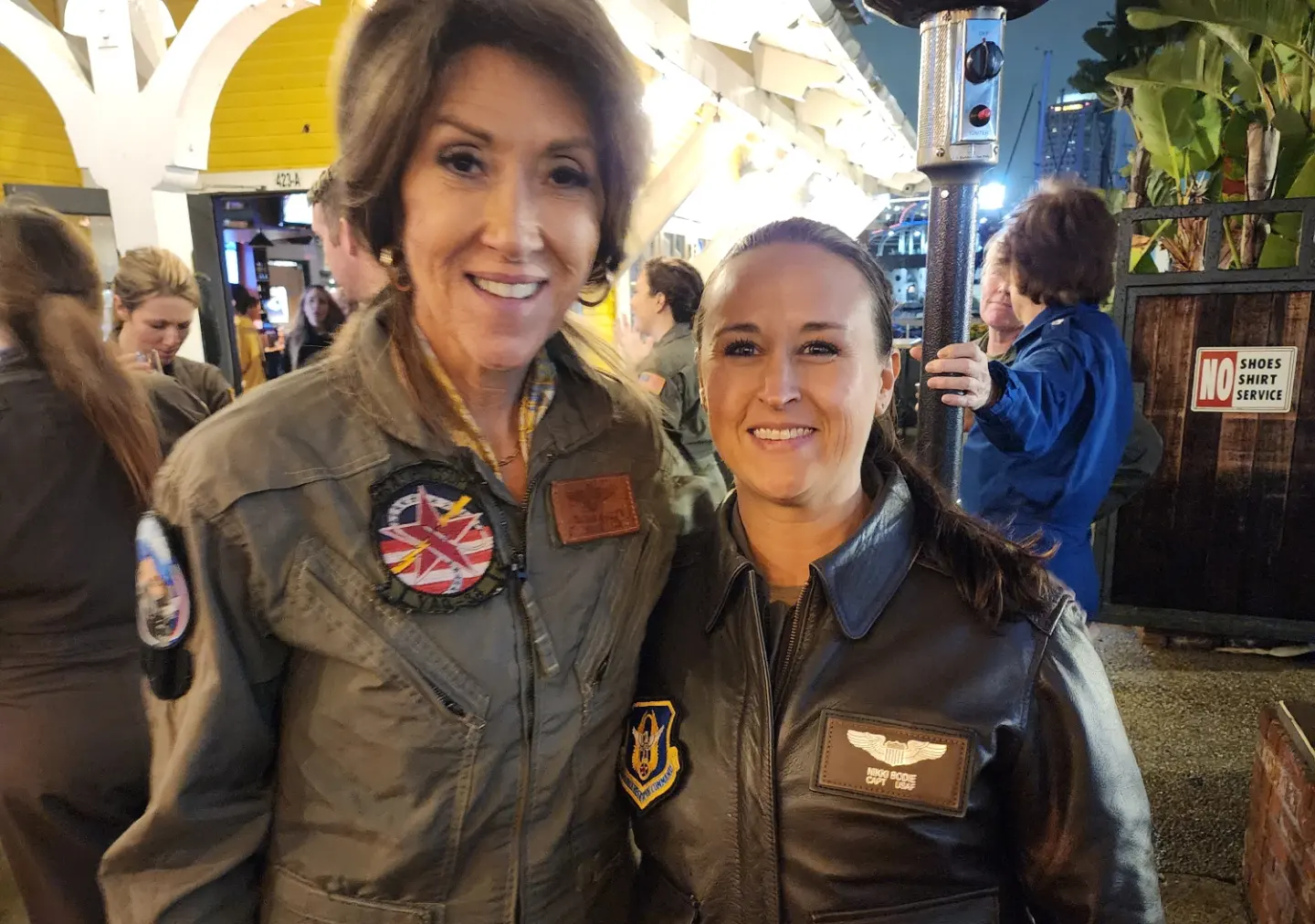
Somewhere along the way, the Air Force noticed what I was doing.
They wrote a story about me.
I ended up on the cover of Citizen Airman magazine.
Then my photograph was prominently displayed in the Pentagon.
That was surreal.
All of it.
Because I didn't feel like I'd done anything particularly extraordinary.
I wasn't trying to build a résumé or collect recognition for community service.
I was helping people.
That was it.
I remembered how difficult it had been to figure some of these things out myself. How much easier certain parts of my own path might have been if I'd had someone who could say:
Here's the door.
Here's how you open it.
Here's what nobody told me.
Let me help you.
I wanted to be the mentor I had always wanted.
None of that felt extraordinary to me.
It felt necessary.
If I knew something that could make someone else's path a little easier, why wouldn't I tell them?
If I could open a door, why wouldn't I hold it?
Maybe that was the bridge too.
Not carrying someone across it.
Just helping them see that there was a way across and trusting them to walk the rest themselves.
Seeing my face on a magazine cover was strange.
Seeing it displayed in the Pentagon was even stranger.
Because I knew the woman in the photograph.
She wasn't thinking about recognition.
She was thinking about all the people she'd once wished would help her.
And trying to become one of them.
The Rose-Colored Goggles Came Off
Of course, none of this is the whole story.
I joined the military wearing rose-colored goggles.
I really did.
I believed I was joining an institution full of people who had come for the same reasons I had.
Service.
Country.
Something bigger than ourselves.
I imagined people with enormous hearts who wanted to help, protect, serve, fly humanitarian missions, and leave things a little better than they found them.
And some of those people were there.
I met them.
I flew with them.
Some became lifelong friends.
I met Quentin and Cayden and became part of their family.
There are people I served beside whom I will love for the rest of my life.
But eventually I got to peek behind the curtain.
And once I saw what was there, I couldn't unsee it.
I saw ambition that had very little to do with service.
People protecting careers.
People chasing promotions.
Bureaucracy preserving itself because that's what bureaucracy does.
I saw moments when maintaining the institution seemed more important than asking whether the institution was doing the right thing.
I saw people look away.
I saw things swept under rugs.
And sometimes I was severely disappointed by people I trusted.
The rose-colored goggles came off.
I couldn't put them back on.
That changed me.
It made me more skeptical.
More jaded.
For a while, it cost me something I had never expected military service to take from me:
my patriotism.
I had entered as one of the most patriotic people you could meet.
There were times later when I wasn't sure I felt any of it anymore.
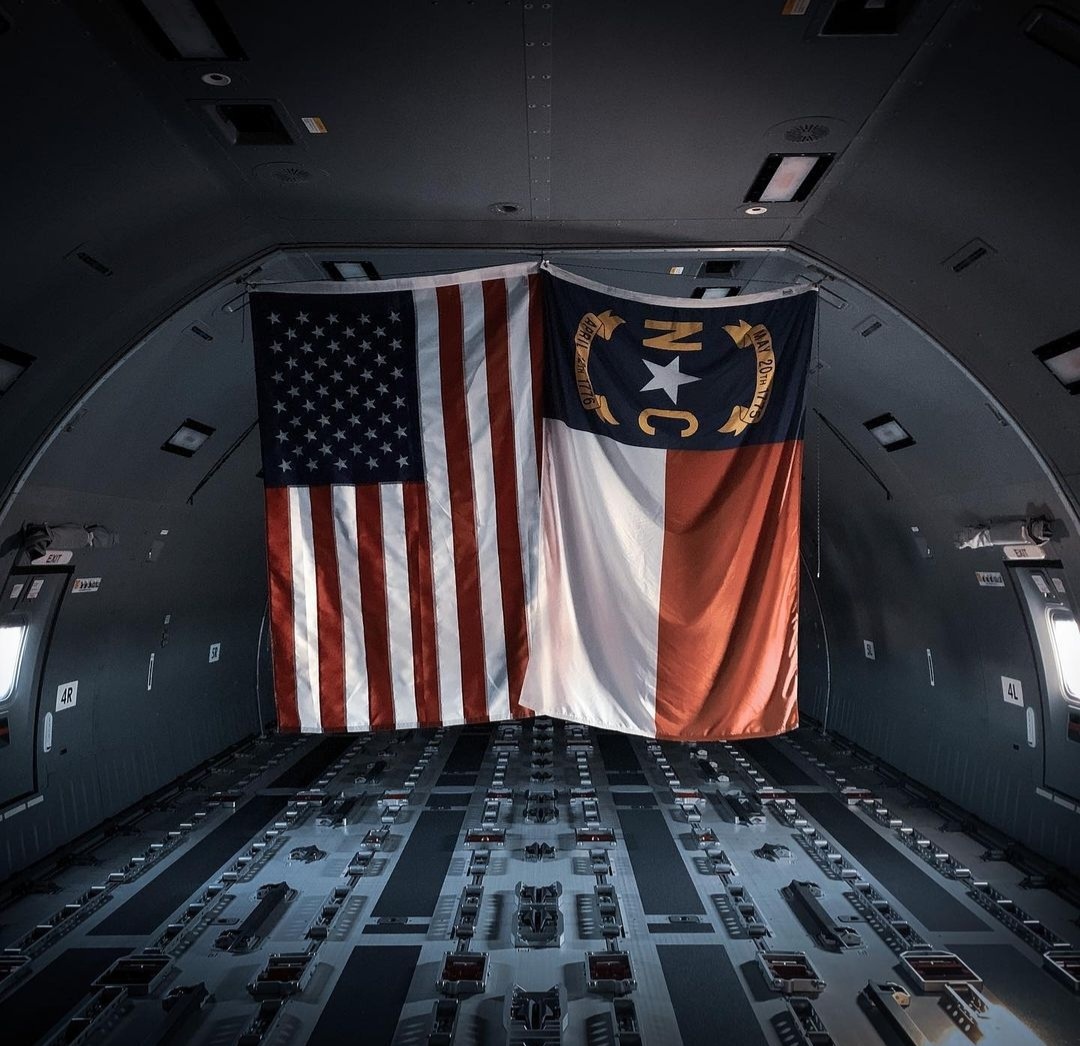
That's difficult to admit when you've worn your country's flag on your shoulder.
But it's true.
And strangely, losing some of my faith in the institution didn't erase my pride in having served.
Both things can be true.
I'm proud that I was a pilot in the United States Air Force.
I'm proud of missions I flew.
I'm proud of people I served beside.
I'm proud of the good we did.
I'm proud of the woman I became in some of those years.
And I'm disappointed by other things.
There are parts of that story I don't need to tell here.
Some belong only to me.
Some have probably found their way into my stories without announcing where they came from.
But the questions stayed.
What happens when something you believe in disappoints you?
What happens when loyalty and conscience don't point in exactly the same direction?
Can you love something after you've seen its failures?
Can you be proud of having belonged to it while being angry about what it allowed?
Can an institution do tremendous good and still hurt people?
Can people?
I used to think contradictions like that needed to be resolved.
Now I think sometimes they're simply true.
The military took away some of my certainty.
Maybe I needed to lose it.
Not because cynicism is wiser than idealism.
It isn't.
But because people are more complicated than heroes and villains.
Institutions are more complicated than good and bad.
Countries are too.
Once the blinders came off, I couldn't put them back on.
So I learned to see without them.
Leaving
Leaving the military was complicated too.
I had spent years learning how to become an officer and a military pilot.
The uniform had become tangled up with my work, my friendships, my purpose, my identity, even the language I used to explain myself to myself.
Then one day it wasn't mine anymore.
I don't think I understood beforehand that separating from the military could feel a little like losing a piece of yourself.
It did.
Not all of me.
But something.
For a while, I wasn't entirely sure what belonged in the space it left behind.
Some of my writing comes from that space.
Not because I'm retelling what happened to me or disguising real people as fictional characters.
But experiences leave questions behind.
Mine did.
Questions about power.
Loyalty.
Identity.
Institutions.
What happens when something you believe in disappoints you.
What happens when the person you're supposed to trust isn't trustworthy.
How good people become complicit in bad systems.
How bad systems can still contain good people.
What we do when loyalty and conscience stop pointing in the same direction.
What happens when a role becomes so tangled with your identity that losing the role feels like losing part of yourself.
And what it takes to figure out who you are afterward.
Those questions followed me out.
Some of them followed me onto the page.
I don't need to explain which stories contain which pieces.
That's part of what fiction gives me.
I can take something real and pull it apart.
Turn it around.
Give it to someone else.
Change the circumstances.
Ask a different question.
Follow it somewhere my own life didn't go.
The experience doesn't have to become the story to become part of the writing.
Sometimes it's just the thing underneath it.
What I Carried Home
I joined the military in 2015.
For years, I thought the most important thing it gave me was the opportunity to fly.
It wasn't.
I carried home friendships.
Questions.
Pride in some things.
Disappointment in others.
A more complicated understanding of my country.
A more complicated understanding of people.
And a more complicated understanding of myself.
I carried memories of women who had flown before me.
Of a WASP taking her final flight over Avenger Field.
Of a thousand children listening while I talked about education.
Of people I'd helped find doors into aviation and lives beyond the military.
Of Wings of Hope.
Of Loren.
And somewhere among all of that, I carried home the realization that changed the way I understood my own gift.
The airplane was never the gift.
It was transportation.
The gift was caring enough to want to use it.
I don't know exactly what vehicles I'll use for that throughout the rest of my life.
For a long time, it was an airplane.
Now, increasingly, it may be a story.
Maybe sometimes it will simply be showing up for another person and saying:
I know a way across. Let me show you.
The vehicle can change.
The reason doesn't have to.
Loren's favorite song had it right all along.
Love can build a bridge.
I just spent a long time thinking mine had wings.