I Fell in Love With Flying
I always wanted to fly. It took me a while to realize I was allowed to.
Before I knew anything about flight schools or ratings or airlines, there was Granny Louese.
When I was little, we'd lie in the grass and watch airplanes.
Every time one passed overhead, she'd point it out.
Then we'd make up stories.
Where were they going?
Who was on board?
What were they going to see when they got there?
Granny Louese believed you needed to get out and see the world.
I wanted to go too.
I wanted to be a pilot.
There was just one problem.
I was a girl.
And I had been told, repeatedly, that girls couldn't do that.
Whenever I brought up Amelia Earhart as evidence that this was obviously nonsense, someone inevitably had a response for that too:
“Yeah, and look what happened to her.”
She crashed.
Argument over.
At least that's how it felt when I was little.
So somehow I grew up wanting to fly while also believing that flying wasn't really available to me.
Then Brian Took Me Flying
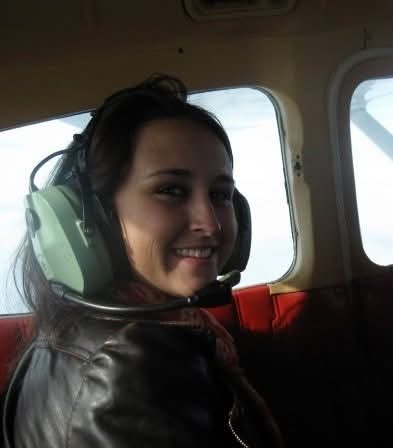
During my senior year at Clemson University, my friend Brian invited me to go flying with him over Valentine's Day.
I didn't even know he'd been taking flight lessons.
His flight instructor was with us.
And somewhere during that trip, Brian told me he was in love with me.
Unfortunately for Brian, I loved him dearly.
As a friend.
We joked later that he'd taken me flying hoping I'd fall in love with him.
Instead, I fell in love with flying.
Although that's not entirely true either.
I think I realized I was already in love with it.
What changed that day was something else.
I realized I might actually be allowed to do it.
Wait. Women Can Do This?
Brian's instructor was right there with us, and I started talking to him.
I told him I'd always wanted to be a pilot.
But I was a woman.
I'd always been told women couldn't be pilots.
And he essentially told me:
Of course women can be pilots.
There were other women doing it.
I could take flying lessons.
I could get a pilot's license.
This thing I had built into some enormous, impossible dream was something I could actually start learning how to do.
So naturally, I went home and fell down a research rabbit hole.
I started looking for women who flew.
And suddenly they were everywhere.
The Women Airforce Service Pilots.
The WASP.
Hazel Ying Lee.
Bessie Coleman.
Bonnie Tiburzi.
Beverley Bass.
Women who had already answered the question I had spent my childhood asking.
Yes. Women can do this.
They had been doing it all along.
I just hadn't been told their stories.
That mattered to me then.
It matters even more to me now.
Because once I knew their names, flying stopped feeling like trespassing somewhere I wasn't supposed to be.
There was a path.
Women had already walked it.
Some had fought like hell to make it.
And I could follow.
Once I knew somebody else had done it, the question changed from:
Can women do this?
to:
How do I do this?
So I Started
Brian's instructor became my instructor.
I joined the Clemson Flying Club.
I took lessons during my senior year and flew through my first solo.
Then I kept going.
After Clemson, I went to Daytona Beach and enrolled in the MBA program at Embry-Riddle Aeronautical University while continuing my flight training.
I finished my private pilot training at Air America and went to Airline Transport Professionals for the rest of my ratings.
And eventually someone handed me the keys to an airplane.
See You in Eight Months
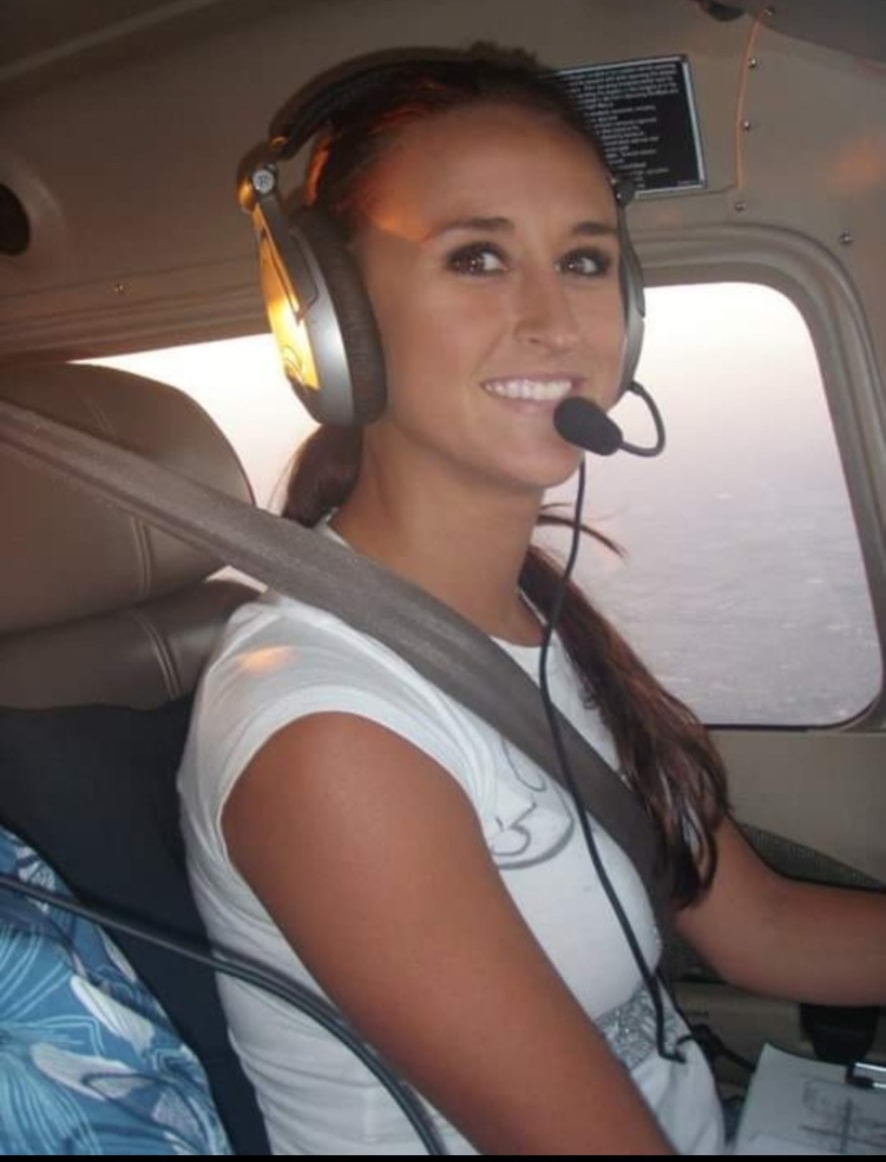
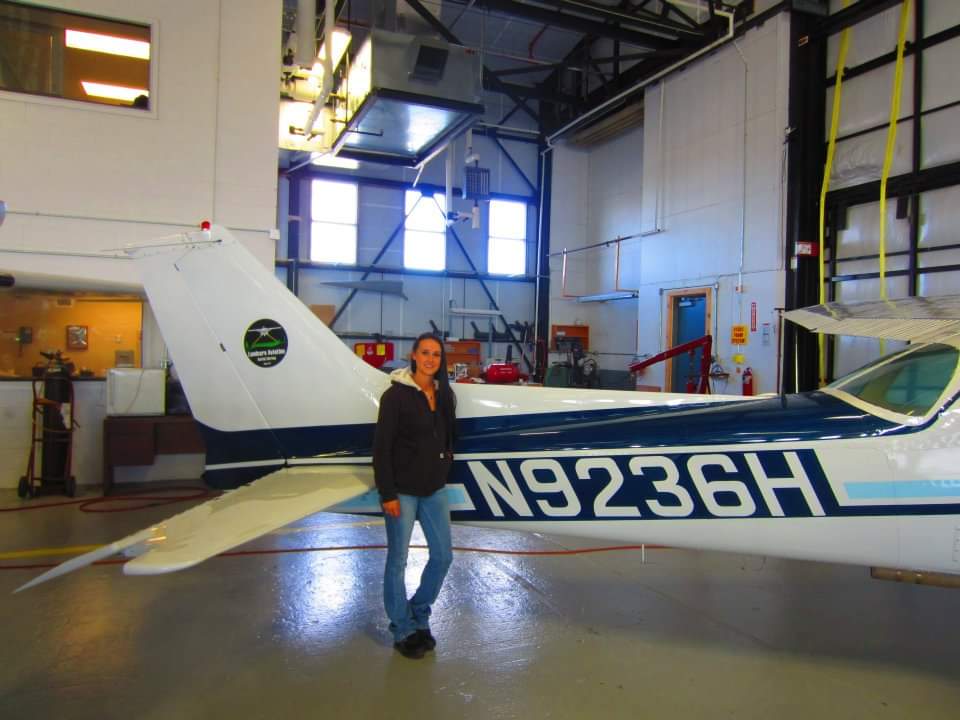
My first real flying job was aerial survey with LandCare.
I met a man named Bob.
Bob gave me the keys to a Cessna 172 with a 150-horsepower engine, a pile of camera equipment, and essentially said:
“See you in eight months.”
So I left.
Just me, an underpowered 172, a suitcase, rental cars, hotel rooms, and an enormous amount of America underneath me.
I flew all over the country, mostly alone.
Sometimes I'd meet another company pilot somewhere and we'd tag-team a mission.
Mostly, though, it was me.
And I loved it.
I learned to make decisions without someone sitting beside me to validate them.
I learned weather.
I learned airplanes.
I learned how much I was capable of handling by myself.
I learned how to walk into a place where I didn't know anyone and talk to people.
And I made myself a deal.
Everywhere I went, I would find the restaurant locals said I had to try.
Then I'd order whatever they said the place was known for.
No alterations.
This was a fairly significant development for someone who had previously been an extremely picky eater.
Apparently aerial survey also cured that.
I ate my way across America.
I became a foodie.
I met strangers.
I made friends.
I learned places from the ground and from thousands of feet above them.
And somewhere in those eight months, I became much more confident.
Not only as a pilot.
As myself.
Flying Home
One of those survey flights took me over my parents' house.
My family knew I was coming.
When I got there, they were outside waiting.
They had spray-painted:
WE LOVE YOU, NIKKI
across the yard.
Everyone stood outside waving up at me.
And I waved back from my little 172.
I know they couldn't see me waving.
I did it anyway.
I always do.
That became a strange little marker throughout my flying career.
Different airplanes.
Same patch of Carolina.
Same family somewhere underneath me.
Bigger Airplanes
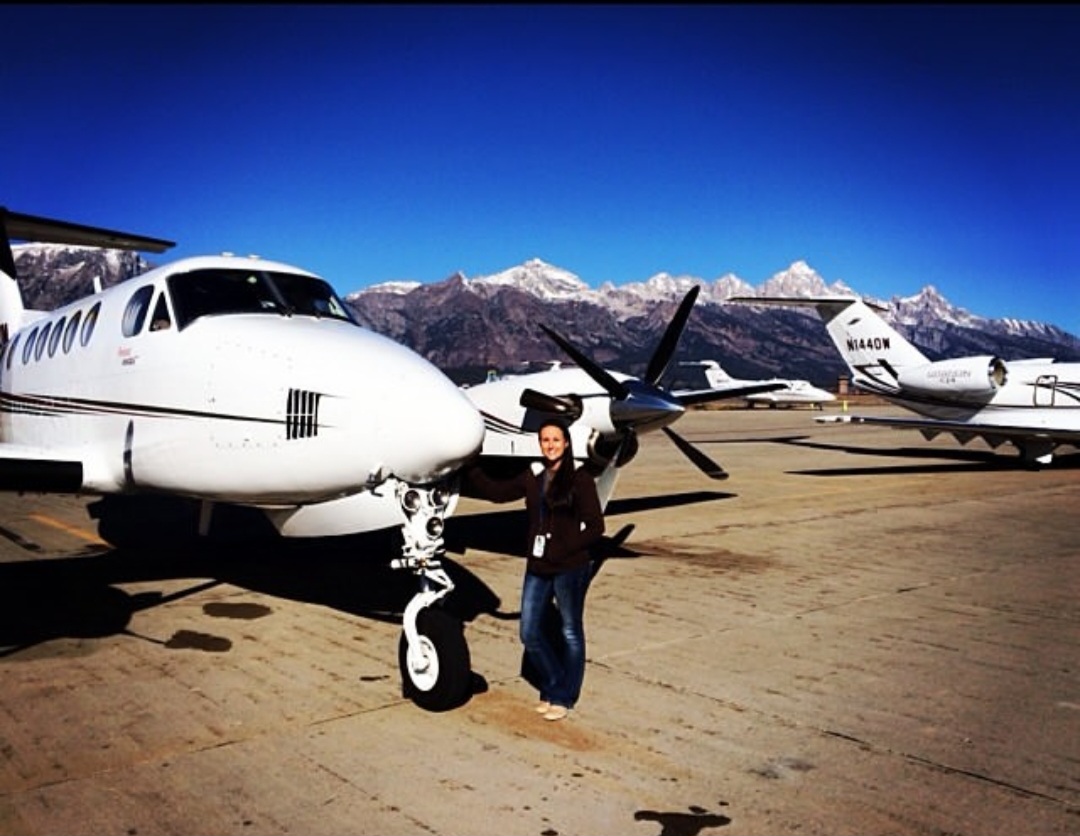
After the 172, I started flying King Air 200s doing more aerial survey.
I spent several years mapping the country from those airplanes.
More hours.
More places.
More hotel rooms.
More people.
Lifelong friends.
And a much faster airplane.
Eventually, I flew a King Air over home too.
And waved.
Of course.
By then I had two dreams I hadn't let go of.
I wanted to fly for the airlines.
And I wanted to fly for the military.
Airline Pilot First
Republic Airlines hired me to fly the Embraer 170 and 175.
I became an airline pilot before I became a military pilot.
My path happened in the opposite order from what people often expect.
But I was still trying to join the Air Force Reserve.
I kept sending applications.
Kept trying squadrons.
Kept knocking.
Eventually I applied to the Air Force Reserve unsponsored because I was getting close to aging out.
The board selected me.
Then a squadron offered me a position flying tankers.
So after already becoming a professional pilot, flying aerial survey all over America, flying King Airs, and becoming an airline pilot, I went back to the beginning again.
Officer Training School.
Then Columbus Air Force Base for Undergraduate Pilot Training.
T-6.
T-1.
Then Altus to learn the KC-135.
Student again.
Always another airplane capable of humbling you.
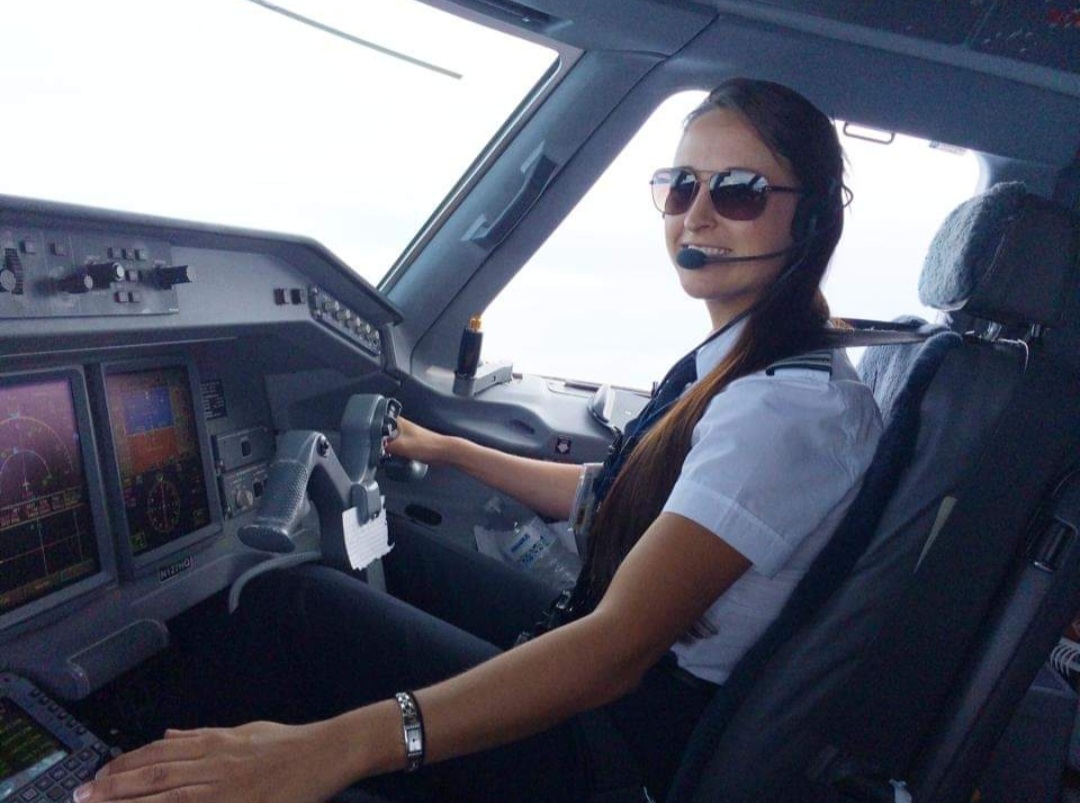
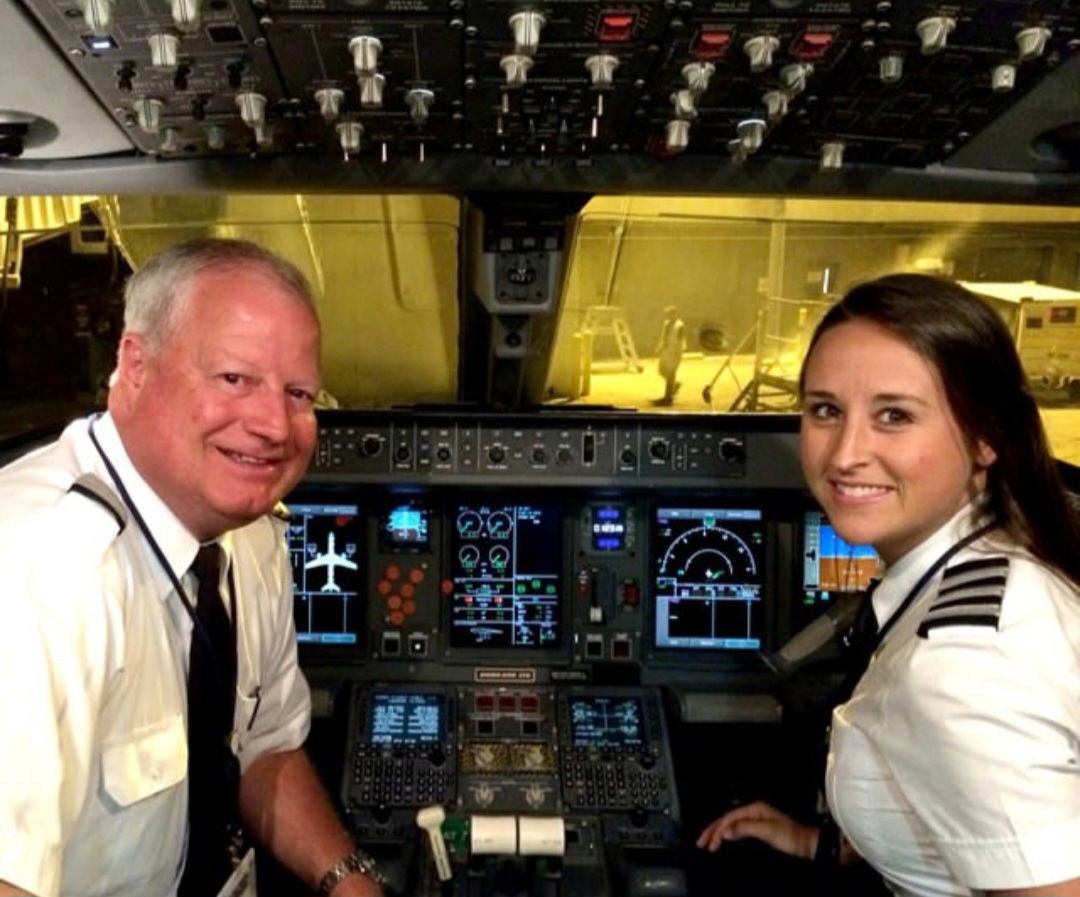
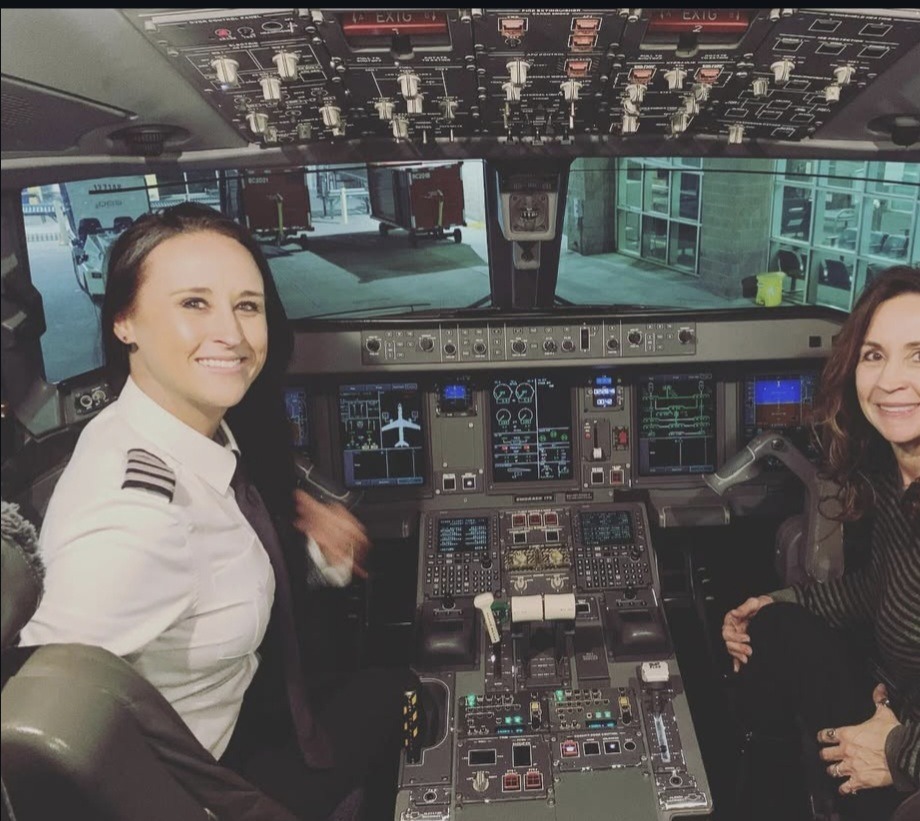
Grandma Skipped Church
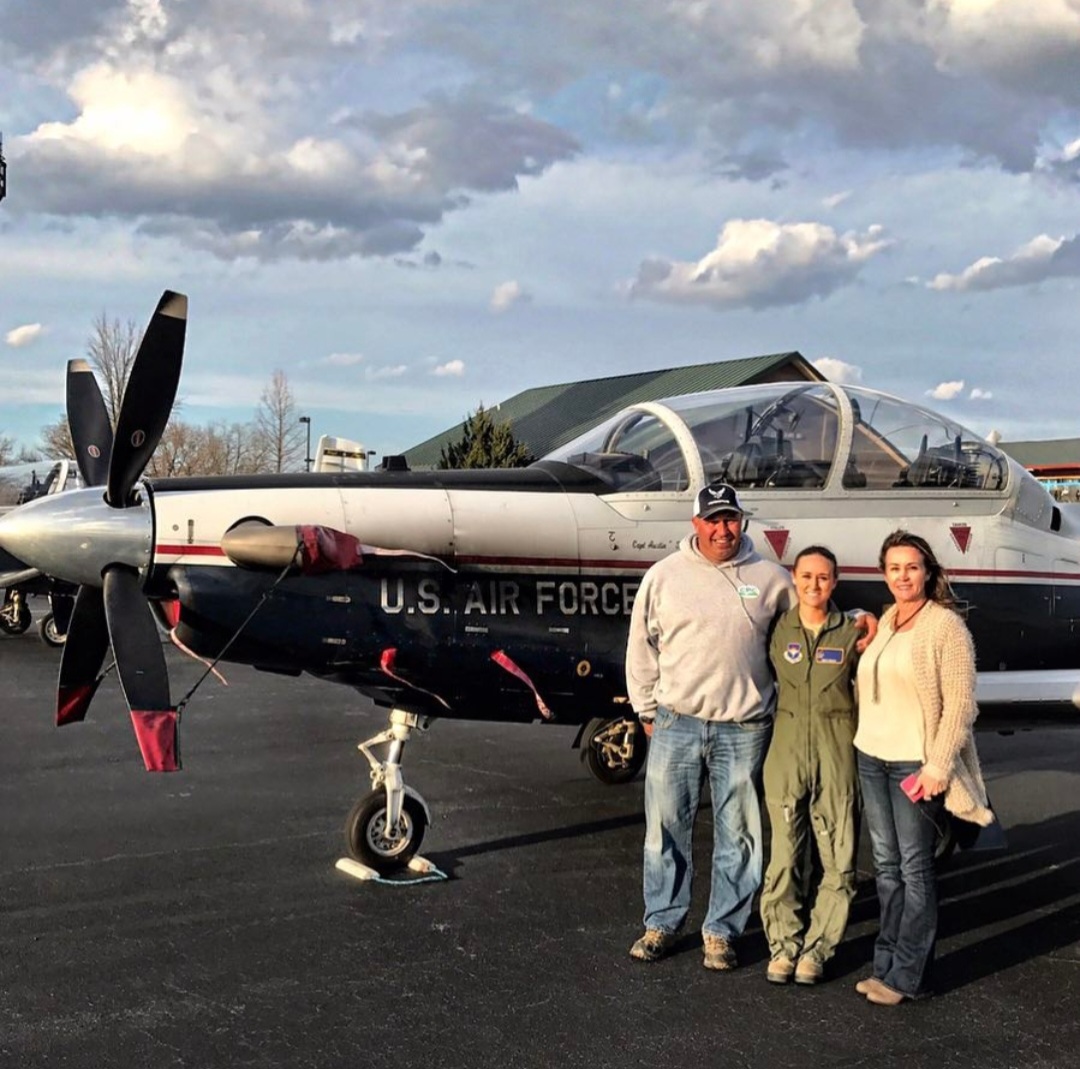
At some point during T-6 training, I got to fly over home again.
This time my family knew I was coming.
And Grandma skipped church.
I need that preserved in the historical record.
My grandmother skipped church to stand outside and watch me fly a military airplane over the house.
Other family members came too.
There they were.
Tiny people on the ground.
And there I was in a T-6.
Waving.
Again.
They still couldn't see me.
Still didn't matter.
I could.
The Airplanes Kept Changing
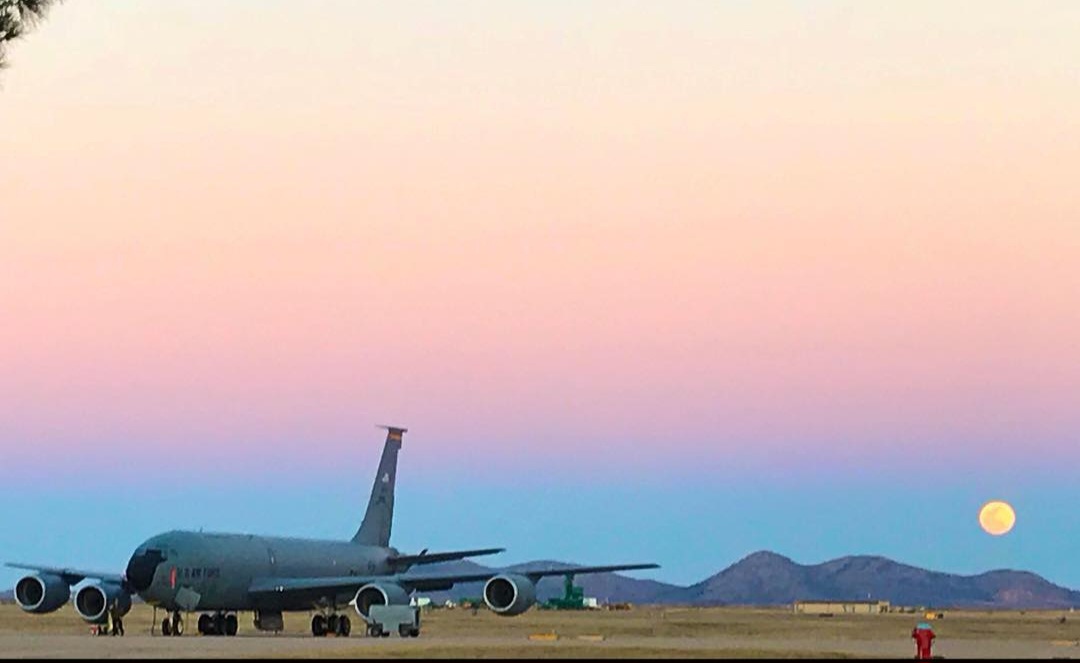
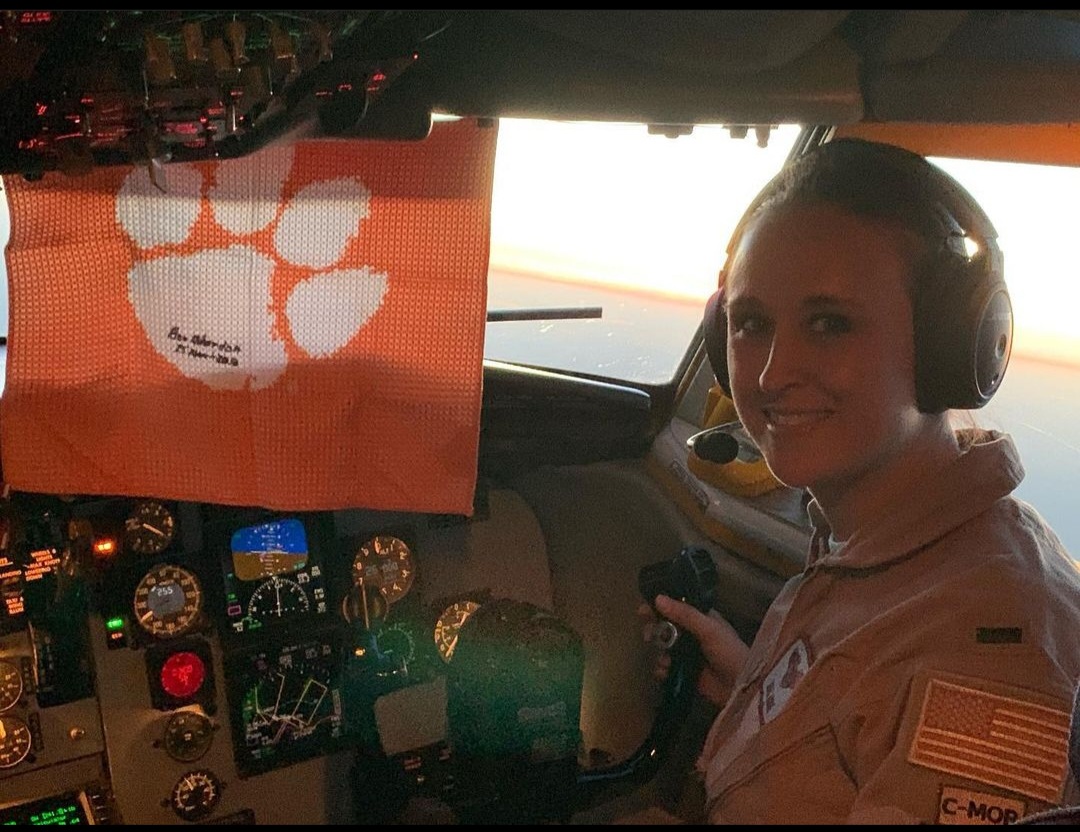
Eventually I came home to my squadron and flew the KC-135.
I deployed.
Later we transitioned to the KC-46, and I flew that too.
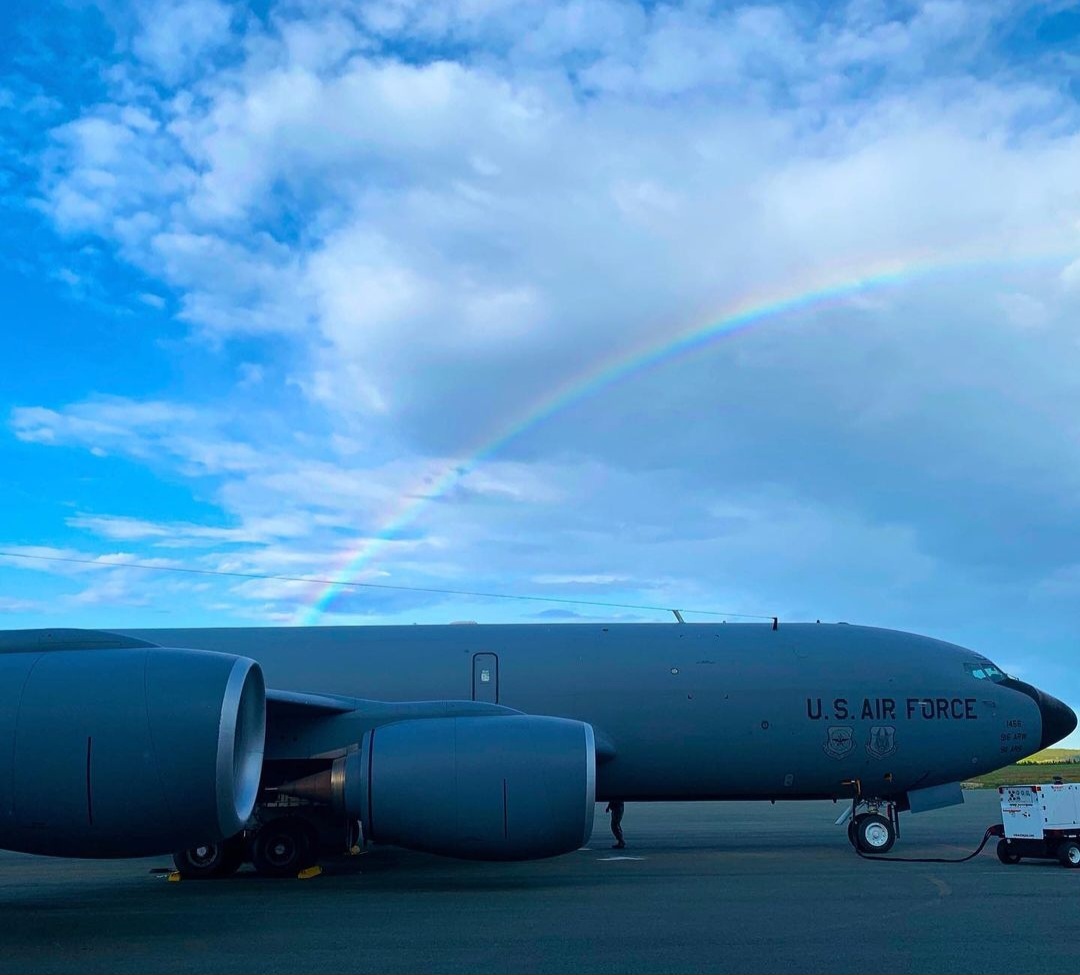
And somewhere in there I got to bring a KC-135 over home.
A long way from that underpowered little 172.
Same ground underneath it.
Same feeling.
Eventually American Airlines hired me.
I started as an Airbus A320/A321 First Officer.
Later I upgraded to 737 Captain.
And that's what I fly now.
There is something slightly ridiculous about putting the airplanes beside one another.
Cessna 172.
King Air 200.
Embraer 170/175.
T-6.
T-1.
KC-135.
KC-46.
Airbus.
737.
But when I'm over the Carolinas, some part of me is still in that little airplane.
Looking down.
Waving.
And Then I Got to Meet Them
Years after I first went looking for women who flew, something happened that still doesn't feel entirely real.
I got to meet the WASP.
Not read about them.
Not look at old photographs.
Shake their hands.
Talk to them.
Listen to them.
For several years, I had the privilege of escorting members of the Women Airforce Service Pilots at their reunion in Sweetwater, Texas, where they had trained at Avenger Field.
These women had been names I'd discovered while trying to prove to myself that someone like me could belong in an airplane.
Now I was standing beside them wearing a United States Air Force uniform.
I don't know how to make that sound as enormous as it felt.
They had helped make my life possible before I existed.
And now I got to say thank you.
I got to hear their stories from them.
Laugh with them.
Know them, even briefly.
And eventually I stood holding the ashes of one of those women before we carried her on her final flight and released her over Avenger Field.
There are photographs of that moment.
I can see myself holding her.
But I don't know that a photograph can capture what it felt like.
I was holding one of my heroes.
A woman from a generation that had fought to prove women belonged in military airplanes.
And I was standing there as a military pilot because women like her had already fought that fight.
Then we carried her into the sky one last time.
Some experiences are too big for me to make neat.
That is one of them.
And Then There Was Bonnie
Bonnie Tiburzi was another name I found during that original research rabbit hole.
She became the first female pilot hired by American Airlines.
Years later, American hired me.
I was one of its newest female pilots when I was invited to speak at an event for Girl Scouts in New York.
Bonnie spoke first.
Then I followed her.
I still have trouble explaining what that felt like.
I was sharing a stage with one of my heroes.
A woman whose name I had found years earlier because I was desperately searching for evidence that the life I wanted was actually available to women.
And now she was standing there.
Then she finished speaking.
And I got up after her.
One of American's first women.
One of its newest.
And in front of us were girls who were still deciding what they believed they were allowed to become.
That got me.
Because I knew that feeling.
I knew what it was like to be a little girl looking up at airplanes.
I knew what it was like to say I wanted to do that and have someone tell me girls couldn't.
I knew what it was like to need evidence.
And suddenly Bonnie and I were standing there together providing it.
Not theoretically.
Not someday.
Here we are.
She did it.
I did it.
You can too.
I told those girls to reach for what they wanted.
To dream bigger than whatever limitations somebody else had imagined for them.
To never accept someone else's no as proof of what they were capable of.
And the entire time, part of me was still completely in awe that Bonnie Tiburzi was sitting there listening to me speak.
Full circle doesn't begin to cover it.
The View From Up There
Flying over the Carolinas has always done something to me.
The coast especially.
I've flown lighthouse tours along it and looked down at those thin strips of land between ocean and sound.
Bodie Island.
The Outer Banks.
Places I'd visited with my family before I knew exactly what aviation was going to become in my life.
The Wright Brothers Memorial.
That landscape where two brothers decided to see whether an airplane could work.
I don't think childhood inspiration always arrives dramatically.
Sometimes something just lodges itself somewhere in your brain.
You don't know it's important yet.
Then years later you find yourself flying over the same place and realize:
There you are.
You became the person who gets to see it from up here.
And yes, sometimes that brings tears to my eyes.
Gratitude mostly.
Happiness.
Disbelief occasionally.
Not because the path was easy.
It wasn't.
Because I know how many versions of me wanted this before any of them knew exactly what this would look like.
Nikki Go Bodie
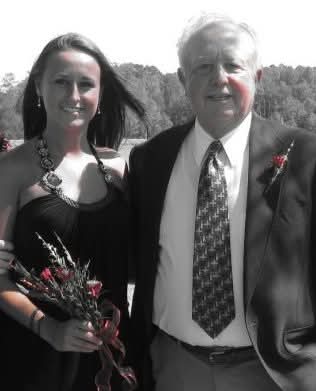
Papa had apparently figured something out about me long before I did.
My grandfather James Henry called me Nikki Go Bodie.
He said my middle name should have been Go because I was always ready to.
Go somewhere.
See something.
Do something.
When I was younger, I drove constantly.
I put miles on my car and navigated with printed MapQuest directions or an actual map sitting beside me.
Papa worried about me enough that he eventually bought me my first GPS.
I think he wanted Nikki Go Bodie to at least know where she was going.
He was probably fighting a losing battle.
Because apparently the problem wasn't that I didn't know where I was going.
I just always wanted to go.
I Got to Go
Granny Louese understood that part of me too.
We'd lie in the grass and watch airplanes cross the sky.
She'd point up and we'd wonder where everyone was going.
Who was on board?
Where had they come from?
What would they see when they got there?
She told me I needed to get out and see the world.
I don't think either of us could have imagined how literally I would take that advice.
Flying hasn't only given me a career.
It gave me the world.
My job takes me to places other people save all year to visit on vacation.
I get paid to go there.
That still seems ridiculous sometimes.
I get paid to land somewhere I've never been, walk out of the hotel, find something to eat, talk to strangers, learn a few things, see how somebody else lives, and come home knowing a